
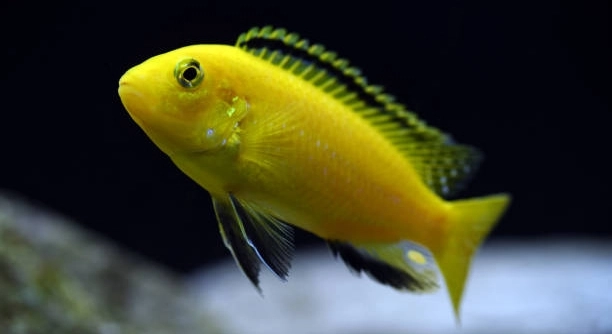
Many people enjoy observing aquatic life, especially during spawning season when fish and amphibians gather naturally. Certain objects in their environment can play a big role in encouraging this behavior. Learning about these objects can be helpful.
Natural objects such as rocks, submerged logs, aquatic plants, and leaf litter provide essential surfaces and shelter that attract spawning. These items offer stability, protection, and ideal conditions for eggs, increasing reproductive success and supporting healthy aquatic populations.
Knowing which objects encourage spawning can improve your pond or aquarium setup. Small changes in the environment can make a noticeable difference in aquatic life activity.
Rocks and Gravel
Rocks and gravel are simple additions that make a big difference for spawning. Many fish and amphibians prefer to lay their eggs on hard, stable surfaces. Smooth rocks create safe spots where eggs can attach without being washed away. Gravel also allows water to flow between spaces, keeping eggs oxygenated. Different sizes of gravel can suit different species, from tiny minnows to larger fish. Submerged rocks provide shelter for fry after hatching, reducing stress and predation. Some species even use larger stones to create nests or territories, making them more likely to spawn. When arranging rocks and gravel, it’s important to mimic natural patterns rather than piling everything in one spot. This creates a more inviting environment. Over time, biofilm and algae naturally grow on rocks, providing an extra food source for newly hatched larvae. Watching how fish interact with these surfaces can be rewarding, as they often explore and select spots carefully before laying eggs.
Rocks and gravel offer stability and protection, making them essential for attracting successful spawning in a controlled environment.
Arranging a mix of smooth rocks and varied gravel encourages natural spawning behavior. By observing the species’ preferences, you can adjust placement to create the most effective setup. Larger stones give adult fish areas for territory, while smaller gravel provides safe spaces for eggs. Over time, the surfaces develop biofilm and algae, which help support fry nutrition. A thoughtfully structured area mimics natural habitats, improving survival rates and overall health of aquatic life. Careful attention to spacing and depth ensures water circulation reaches eggs, preventing stagnation.
Aquatic Plants
Aquatic plants provide cover and attachment points for eggs. They create shaded areas, reducing stress for fish and amphibians.
Plants like hornwort, java moss, and waterweed are commonly used. Their leaves and stems give eggs surfaces to stick to, and they also shelter fry after hatching. Floating plants help regulate water temperature and light, improving conditions for spawning. Different species prefer different plants, so offering variety increases chances of success. Plant roots improve water quality by absorbing excess nutrients, which supports a healthier ecosystem. Over time, plants grow thick enough to create small refuges that encourage fish to stay and spawn repeatedly. Even simple plant placement along pond edges or aquarium corners can make a noticeable difference. Observing where fish choose to lay eggs can guide you in optimizing plant arrangements.
Dense vegetation provides safety and support, helping eggs develop and fry thrive in the habitat.
Including a mix of rooted and floating plants ensures both egg attachment and fry protection. Sturdy stems prevent eggs from drifting away, while floating leaves reduce light intensity, calming adults. Root systems enhance water quality, absorbing nitrates and supporting overall health. Different plants suit different species, so diversity in plant types increases spawning success. Regular trimming maintains water flow and prevents overcrowding. As plants grow, they provide microhabitats for fry, increasing survival rates. Observing how fish interact with plants helps refine placement, making the environment more inviting and natural. Over time, healthy plant growth sustains repeated spawning cycles.
Submerged Logs
Submerged logs provide firm surfaces for eggs and hide spaces for fry. Many species instinctively choose logs for laying eggs because they offer protection from predators and strong water currents. Logs also help create natural shelter zones in ponds and aquariums.
Logs slowly release nutrients into the water as they decompose, supporting small microorganisms that fry feed on. They also create shaded areas, which reduce stress for adults during spawning. Some species scrape eggs directly onto the bark, while others hide them in crevices. Positioning logs horizontally or at a slight angle can increase their usefulness. Logs encourage territorial behavior, giving adults areas to guard eggs, which improves survival rates. Over time, biofilm grows on the surface, adding a natural food source and making the log more attractive for repeated spawning. Regular monitoring ensures logs remain stable and safe for aquatic life.
The texture and natural crevices of logs support both egg attachment and fry development, making them a versatile addition to aquatic habitats. Logs also slow water flow locally, protecting eggs from being swept away while enhancing oxygen circulation around them. Selecting hardwood logs helps prevent rapid decomposition, providing long-lasting spawning support. Placement near plants or rocks creates a mixed environment that mimics natural habitats. Observing where fish prefer to lay eggs allows adjustments in log positioning to maximize effectiveness. Logs create microhabitats that increase overall reproductive success.
Leaf Litter
Leaf litter provides soft surfaces and shelter for eggs while releasing nutrients into the water. It mimics forest floor conditions, attracting many species naturally.
Leaves such as oak, maple, and beech are commonly used. They settle on pond or aquarium bottoms, creating layers where eggs can stick. Decomposing leaves release tannins, which slightly acidify the water, improving egg survival for sensitive species. Leaf litter also encourages microorganisms, offering food for fry. Arranging leaves loosely rather than in compact piles prevents oxygen depletion. Different leaf types decompose at different rates, extending their usefulness. Observing how fish interact with leaf layers helps maintain an effective setup for repeated spawning.
Leaf litter supports egg development and provides safe spaces for fry to explore. It also improves water quality by fostering beneficial microbes that break down waste naturally. Decomposing leaves contribute small amounts of nutrients, enhancing the local ecosystem. Leaf layers reduce light penetration, offering a calm environment for adults. Strategic placement along shallow edges or under logs and plants maximizes protection. Regularly adding fresh leaves keeps the environment healthy and attractive, ensuring consistent spawning activity. Microhabitats formed by leaf litter help fry hide from predators, increasing survival rates and overall reproductive success.
Sand Beds
Sand beds provide a soft, stable surface for species that prefer to bury or attach eggs close to the substrate. Fine sand mimics riverbeds and shallow pond areas, creating natural conditions that encourage spawning.
Sand also helps protect delicate eggs from strong currents and predators. It is easy to clean and maintain, reducing the risk of debris buildup. Many bottom-dwelling fish feel secure over sandy areas, which increases the likelihood of repeated spawning. Mixing sand with small gravel can improve water flow and oxygenation, supporting egg development. Sand beds create a calm, low-stress environment that many species naturally prefer.
Moss and Algae
Moss and algae provide attachment points for eggs and microhabitats for newly hatched fry. These surfaces offer nutrients and shelter, improving survival rates.
Mosses like java moss grow densely, giving adults and fry protection. Algae coating rocks or logs also serve as natural food sources. Both moss and algae attract microorganisms that fry feed on, supporting early growth. Placement in well-lit areas encourages growth without overcrowding the tank. Regular trimming prevents excessive buildup, ensuring water flow and oxygen levels remain adequate. Observing where fish lay eggs on moss or algae can guide adjustments for optimal spawning conditions.
Pebbles
Pebbles create small gaps and spaces where eggs can attach safely. They mimic river and stream conditions that many species naturally prefer, enhancing spawning success.
What natural objects are best for attracting spawning in fish and amphibians?
Rocks, gravel, submerged logs, aquatic plants, leaf litter, sand beds, moss, algae, and pebbles are the most common objects that encourage spawning. Each serves a specific function: rocks and gravel provide stability, logs and leaf litter offer shelter, and plants, moss, and algae give attachment points for eggs. Sand and small pebbles mimic natural substrates for species that prefer to lay eggs near the bottom. Using a combination of these objects creates varied microhabitats, which many species naturally select during reproductive periods. Observing the preferences of the specific species in your pond or aquarium allows you to adjust placement for the best results.
How should I arrange rocks and gravel to maximize spawning success?
Rocks and gravel should be arranged to create stable surfaces with varied sizes. Large rocks offer territory for adults and protect eggs from currents, while gravel provides oxygenated spaces for egg development. Avoid piling everything in one area; instead, mimic natural formations with clusters and gaps that allow water flow. Smooth rocks are preferable for sensitive eggs, while rougher stones may support biofilm growth. Combining rocks and gravel near plants or logs enhances shelter and makes the area more inviting. Regular observation can help identify which arrangements attract the most spawning activity.
Can submerged logs improve fry survival rates?
Yes, submerged logs improve fry survival by providing hiding spots and reducing exposure to predators. Logs slow local water flow, protecting eggs while maintaining oxygen circulation. Their crevices serve as microhabitats, and over time, biofilm and microorganisms grow on the surface, offering food for fry. Horizontal placement or slight angles maximize utility. Hardwood logs are recommended for long-term stability. Logs also encourage natural territorial behavior among adults, which can increase parental care for eggs and fry.
Are aquatic plants necessary for spawning?
Aquatic plants are highly beneficial but not strictly required for all species. They provide attachment surfaces for eggs, cover for fry, and help regulate light and temperature. Plants like hornwort, java moss, and waterweed offer both structure and microhabitats. Floating plants reduce stress by creating shaded zones, while rooted plants improve water quality by absorbing excess nutrients. A mix of plant types increases spawning success and supports early fry development by providing food-rich environments. Observing fish preferences can guide plant placement and density.
How does leaf litter contribute to egg development?
Leaf litter creates soft attachment points for eggs and mimics natural habitats, increasing egg survival. Decomposing leaves release tannins, slightly acidifying the water, which benefits sensitive species. Leaf layers also encourage microorganisms that fry feed on. Proper placement avoids compact piles to maintain oxygen flow. Using a mix of leaves with different decomposition rates prolongs benefits and encourages repeated spawning in the same area.
Is sand a suitable substrate for all species?
Sand works best for bottom-dwelling species or those that prefer to bury eggs. Fine sand prevents eggs from washing away while providing a stable surface. Mixing sand with small gravel improves water flow and oxygenation, further supporting egg development. Sand beds are low-maintenance, reduce debris buildup, and create a calm environment that encourages spawning behavior. Observing species-specific preferences helps ensure sand placement is effective.
Can moss and algae be used to feed fry?
Yes, moss and algae support early fry nutrition indirectly. They attract microorganisms that fry consume, offering a natural food source. Dense moss and algae growth also provide shelter, reducing stress and predation. Placement in well-lit areas encourages healthy growth, and occasional trimming prevents overcrowding. Monitoring where adults lay eggs on moss or algae helps optimize spawning conditions.
Do pebbles help with oxygen circulation?
Pebbles create small gaps that allow water to flow around eggs, improving oxygen supply and reducing stagnation. They mimic natural riverbeds and shallow habitats, which many species prefer. Mixing pebbles with sand or gravel can enhance both stability and water circulation. Observing which areas fish select for laying eggs can guide pebble placement for the best results.
How often should natural objects be replaced or maintained?
Maintenance depends on material and growth. Logs and rocks are long-lasting but should be checked for stability. Leaf litter and sand may need replenishing to maintain safe egg attachment and oxygen flow. Plants, moss, and algae require trimming to prevent overcrowding while encouraging growth. Observing fish behavior helps determine when adjustments are necessary. Proper care ensures continued spawning success and healthy fry development.
Can combining multiple natural objects improve spawning?
Combining objects creates varied microhabitats that attract more species and increase reproductive success. Logs near plants, rocks over gravel, and leaf litter on sand mimic natural environments. This layered setup provides attachment surfaces, protection, and food sources for eggs and fry. Observing fish and adjusting placement maximizes benefits. Natural combinations encourage repeated spawning and support overall aquatic health.
Creating an environment that encourages spawning is simpler than many people think. By adding natural objects like rocks, gravel, logs, aquatic plants, leaf litter, sand, moss, algae, and pebbles, you can mimic the conditions many species prefer in the wild. Each item serves a clear purpose. Rocks and gravel provide stability and surfaces for eggs, while submerged logs and leaf litter offer shelter and protection. Aquatic plants give eggs places to attach and fry a safe area to explore. Moss and algae support microorganisms that serve as food for fry. Sand and pebbles create natural substrates that help bottom-dwelling species. Using these items thoughtfully creates an inviting environment that encourages natural spawning behavior.
It’s important to pay attention to placement and variety. Simply adding objects is not always enough. Clustering rocks or logs in a natural way, spreading leaf litter loosely, and providing a mix of plants ensures adults feel comfortable. Different species have different preferences, so observing which areas they choose for spawning is key. Logs and rocks can create territories, while plants and moss offer shelter from stress and predators. Leaf litter and sand protect delicate eggs and allow water to flow around them. Combining objects in layers—rocks with moss, logs with plants, or leaf litter over sand—creates microhabitats that increase egg survival and fry growth. Over time, these arrangements become self-sustaining, with biofilm, microorganisms, and algae providing ongoing food sources. Regular observation and small adjustments help maintain an optimal setup.
Creating a healthy and natural environment benefits both adults and fry. Adults are more likely to spawn repeatedly when they feel safe and have reliable attachment points for eggs. Fry have better survival chances because they have protection, food, and oxygenated spaces. Even small changes, like adding a few pebbles near a log or trimming moss to encourage water flow, can make a noticeable difference. Understanding how each natural object contributes to spawning allows you to make informed choices. By replicating natural conditions thoughtfully, you support the growth and health of aquatic populations. With patience and attention, you can create an environment that not only encourages spawning but also sustains thriving, active aquatic life.

Hello,
If you enjoy the content that we create, please consider saying a "Thank You!" by leaving a tip.
Every little bit helps us continue crafting quality advice that supports the health, happiness, and well-being of pets around the world, for pets of all shapes, sizes, and species.
We really appreciate the kindness and support that you show us!