
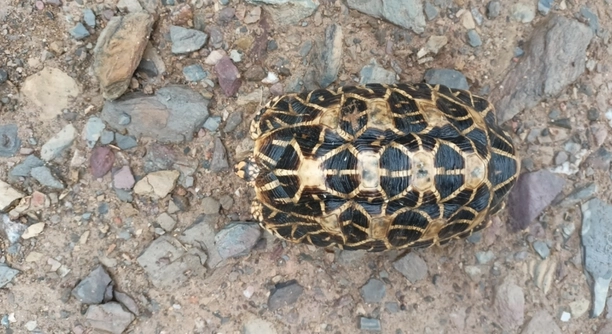
If you own a star tortoise, you may wonder how to tell if it’s pregnant. There are a few clear signs that can help determine if your pet is expecting. Understanding these signs is important for its care.
The most reliable indicators of pregnancy in a star tortoise include changes in behavior, physical appearance, and changes to its eating habits. Additionally, a gravid female may show signs of nesting behavior as the pregnancy progresses.
Recognizing these signs can help you provide proper care and attention for your tortoise.
Physical Changes in a Pregnant Star Tortoise
A pregnant star tortoise will show noticeable physical changes. One of the most significant signs is an increase in the size of the abdomen. As the eggs develop, the belly will become noticeably larger, which can be felt by gently pressing on the area. The shell may also appear more rounded, and you might notice slight differences in its shape due to the developing eggs inside. During this time, the tortoise may seem a little slower or more lethargic than usual. Additionally, you might see a change in its walking patterns as it adjusts to carrying the eggs. These physical signs are key indicators that your tortoise is pregnant and should be carefully observed.
These physical changes occur as the tortoise’s body adapts to the growing eggs inside.
Pay close attention to the overall shape of the shell and the size of the abdomen. These changes will become more obvious as the pregnancy progresses. A rounder belly, along with changes in movement, are good indicators of pregnancy. The tortoise might also show slight weight gain during this period. Be sure to keep a calm and clean environment to support its health.
Behavioral Signs of Pregnancy
Pregnant star tortoises may exhibit nesting behavior when they are ready to lay eggs. This can include digging or scratching in their enclosure, which is a natural instinct. They may try to find a secluded and quiet area to lay their eggs. It’s important to observe the behavior closely as this can help you prepare for egg-laying. Tortoises often become more reclusive, seeking out places that feel safe. As they approach the time to lay, they may become more active in searching for the ideal spot. This is a crucial sign to watch for, as it tells you that egg-laying is imminent.
Keeping a clean and well-organized space will help ensure that your tortoise has a comfortable area to nest.
Changes in Appetite and Eating Habits
A pregnant star tortoise may show changes in its eating habits. It could eat more or less depending on its body’s needs. Some tortoises will begin to eat larger portions as their body prepares to support the growing eggs. Others might lose interest in food, which is normal early in pregnancy. However, you should continue to offer a variety of foods to ensure your tortoise gets the necessary nutrients. Pay attention to the amount and type of food being consumed to ensure your tortoise’s health is maintained during this period.
Decreased appetite may occur, especially if your tortoise is nearing the egg-laying phase. It’s essential to monitor its eating habits during pregnancy to ensure it is still receiving proper nutrition. Try offering softer, more appealing foods if your tortoise is showing signs of disinterest. Keeping a balanced diet will support its overall health and the development of healthy eggs.
Once a star tortoise’s pregnancy progresses, a sudden increase in appetite may occur. This is often seen as the tortoise requires more energy for the growing eggs. During this time, it is crucial to provide plenty of calcium and high-fiber vegetables. Consider adding cuttlefish bone or calcium supplements to its diet to help strengthen its shell and support egg development. Ensure that your tortoise always has access to fresh water.
Shell Shape and Size Changes
As your tortoise’s pregnancy progresses, its shell will undergo some noticeable changes. A pregnant star tortoise will typically have a more rounded appearance as the eggs develop. The space within the shell expands to accommodate the eggs, and this can cause it to appear more swollen or bloated. You may also notice slight alterations in the way the scutes, or the sections of the shell, look. This expansion is completely normal but should be closely monitored for any unusual signs.
A tortoise’s shell should remain sturdy, even as it changes in shape. If you notice significant cracks or breaks in the shell during pregnancy, consult a veterinarian immediately. The shell plays an important role in protecting the growing eggs, so it’s essential to ensure that it remains intact. Keep track of how the shell evolves over time and make sure your tortoise is receiving proper nutrition to support this natural process.
If the shell seems excessively large or deformed, or if there are any other unusual signs, this could indicate complications. In such cases, immediate veterinary consultation is essential to ensure the health of the tortoise. An optimal environment, rich in calcium and free of stressors, will help support a smooth pregnancy for your star tortoise.
Increase in Resting Behavior
Pregnant star tortoises often show more signs of resting during pregnancy. This behavior can be due to the increased energy demands of carrying eggs. It’s important not to disturb the tortoise when it is resting. Allowing it to sleep and relax will help reduce stress and support its overall health.
Resting behavior may become more pronounced as the pregnancy progresses. The tortoise might seek out darker, cooler areas to rest. Providing a safe, quiet environment is key to keeping your tortoise comfortable. If resting behavior increases, ensure the environment remains stress-free, which will help support the pregnancy.
Nesting Behavior
As the time for egg-laying approaches, a pregnant star tortoise will begin showing signs of nesting behavior. It will start digging in its enclosure, searching for a suitable spot to lay the eggs. You may notice your tortoise scratching at the walls or attempting to burrow into the substrate. This is a natural instinct, as it prepares a safe area for the eggs.
Ensure your tortoise’s enclosure contains proper bedding, such as soil or sand, to facilitate digging. A shallow nesting area is important for the tortoise to feel secure. By providing these materials, you are helping to support the natural process of egg-laying, which can reduce stress and help ensure a smoother experience.
Increased Water Intake
A pregnant star tortoise may drink more water than usual. This is a natural response to the added strain of pregnancy. Increased hydration supports egg development and helps maintain the tortoise’s health. Ensure fresh water is always available for your tortoise. Keep an eye on how much it drinks each day.
FAQ
How long is a star tortoise pregnant?
The pregnancy duration of a star tortoise typically ranges between 60 to 90 days, depending on various factors such as age, health, and environmental conditions. It’s essential to monitor your tortoise closely during this period for any signs of discomfort or distress. The exact timing can vary, so it’s important to be patient and observe changes in behavior and physical signs, like an increased belly size.
What should I feed my pregnant star tortoise?
During pregnancy, a star tortoise requires a balanced diet rich in fiber, calcium, and other essential nutrients to support the developing eggs. Offer high-fiber vegetables like dandelion greens, kale, and hibiscus, along with occasional fruits like strawberries and melon. Calcium is crucial for shell development, so provide cuttlefish bone or calcium powder to supplement their diet. Avoid overfeeding, as obesity can lead to complications. Always offer fresh, clean water.
Can a star tortoise lay eggs without mating?
Yes, a female star tortoise can lay eggs without mating. This is called “infertile egg-laying.” Even if there is no male present, female tortoises may still go through the egg-laying process. It’s important to prepare for this possibility by providing a suitable nesting area with appropriate substrates for digging. Infertile eggs won’t hatch, but the process is still demanding on the female, so ensure she is well cared for.
How can I tell if my star tortoise is carrying eggs?
You can tell if a star tortoise is carrying eggs by observing changes in its physical appearance and behavior. The abdomen will often appear noticeably larger, and the shell may become more rounded. If you gently press on the abdomen, you may feel a slight firmness or lumps, which are the developing eggs. Additionally, the tortoise may display nesting behavior, such as digging or scratching at the enclosure. Watch for changes in appetite and activity levels as well.
What do I do if my star tortoise is having difficulty laying eggs?
If your star tortoise is having difficulty laying eggs, it’s crucial to act quickly. Difficulty laying eggs, known as dystocia, can be dangerous. Provide a warm, quiet environment with enough space for digging. Ensure the substrate is soft enough to help facilitate the process. If the tortoise doesn’t lay the eggs after several hours or shows signs of distress, consult a veterinarian. In some cases, manual assistance may be required.
How can I create a suitable nesting area for my pregnant star tortoise?
To create a suitable nesting area for your pregnant star tortoise, provide a shallow area with soft, sandy, or soil-based substrate. This allows the tortoise to dig comfortably. The nesting site should be kept warm and dry, with temperatures between 80°F and 85°F (27°C to 29°C) to encourage digging behavior. The area should be spacious enough for the tortoise to move around freely. Avoid disturbing the tortoise while it is nesting to reduce stress and provide a sense of security.
How often should I check on my pregnant star tortoise?
You should check on your pregnant star tortoise daily, but try not to disturb her too much. Keep an eye on her physical condition, appetite, and any changes in behavior. It’s important to ensure she is eating and drinking well, and monitor her for any signs of distress or discomfort. Regularly check the nesting area to see if she has started digging. However, give her privacy when she starts nesting, as this is a natural behavior that should not be interrupted.
What temperature should I maintain for a pregnant star tortoise?
Maintaining proper temperature is crucial during pregnancy. Keep the ambient temperature between 80°F and 85°F (27°C to 29°C) in the tortoise’s enclosure. This range supports digestion, comfort, and overall well-being. The basking area should be warmer, around 90°F to 95°F (32°C to 35°C), while providing a cooler side for the tortoise to move to as needed. Ensure the enclosure has proper UVB lighting for vitamin D3 production, which helps with calcium absorption.
Can I handle my pregnant star tortoise?
It’s best to limit handling of a pregnant star tortoise to avoid stressing her out. Excessive handling can cause unnecessary anxiety, which may affect her pregnancy. If you must handle her, do so gently and briefly, ensuring she feels secure. Allow her to rest in a quiet and safe space, especially as she nears the egg-laying stage. Focus on maintaining a calm environment to promote her health during this sensitive time.
Is it normal for a pregnant star tortoise to refuse food?
Yes, it is normal for a pregnant star tortoise to refuse food, particularly in the later stages of pregnancy. A decrease in appetite can be a sign that the tortoise is nearing egg-laying. If the tortoise stops eating for several days, it’s important to ensure she is still hydrated and that there are no signs of distress. You can try offering more appealing food options, but if she continues to refuse food or shows signs of illness, consult a veterinarian for advice.
How can I tell if my star tortoise is stressed during pregnancy?
Signs of stress in a pregnant star tortoise can include excessive hiding, loss of appetite, or changes in behavior like aggression or increased pacing. If the tortoise seems overly restless or avoids its usual environment, it could be stressed. Make sure the enclosure is calm, quiet, and free of disturbances. Ensure the temperature and humidity are optimal, and provide plenty of space for the tortoise to move freely. If stress persists, consider adjusting the environment or consulting a veterinarian.
What should I do if my star tortoise lays eggs outside the nesting area?
If your star tortoise lays eggs outside the designated nesting area, try to move the eggs carefully to the proper site if they are still in good condition. Be sure to create a similar environment for them to prevent damage or abandonment. If the eggs have already started to hatch or show signs of damage, it may be too late to relocate them. Monitor the situation and avoid disturbing the eggs further to give them the best chance of hatching.
Final Thoughts
Taking care of a pregnant star tortoise requires attention and patience. By observing their behavior and physical changes, you can ensure they are comfortable during this time. Providing the right environment, including proper temperature and humidity levels, along with a suitable nesting area, is crucial for their well-being. Offering a balanced diet with plenty of calcium and fiber will also support both the mother and her developing eggs. Regular monitoring of their condition and avoiding unnecessary stress can help prevent complications during pregnancy.
It is important to recognize that some challenges may arise, such as egg-laying difficulties or changes in appetite. If your star tortoise is having trouble laying eggs or seems unusually stressed, it’s best to consult a veterinarian who can provide professional guidance. Ensuring the tortoise has access to a safe, quiet space for nesting is vital. Do not disturb her too much while she is preparing to lay eggs. In some cases, providing a separate area for her to dig and lay eggs can reduce stress and make the process easier.
Ultimately, caring for a pregnant star tortoise is about creating a safe and supportive environment. The experience can be a rewarding one when you understand their needs and respond to them appropriately. Keep an eye on your tortoise’s behavior, and be prepared to act if necessary. While the process may seem complex at times, your efforts will help ensure a healthy, stress-free pregnancy for your star tortoise.

Hello,
If you enjoy the content that we create, please consider saying a "Thank You!" by leaving a tip.
Every little bit helps us continue crafting quality advice that supports the health, happiness, and well-being of pets around the world, for pets of all shapes, sizes, and species.
We really appreciate the kindness and support that you show us!