
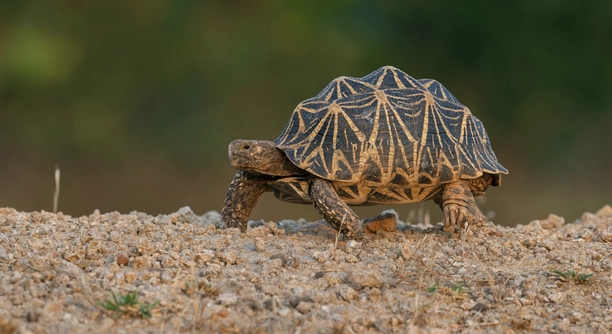
Indian Star Tortoises are known for their unique and beautiful shells. However, shell problems can sometimes occur, affecting their health and well-being. Knowing how to treat these issues is essential for ensuring their comfort and survival.
Treating Indian Star Tortoise shell problems involves identifying the cause and using proper methods to repair or prevent further damage. Solutions include proper diet, habitat adjustments, and in some cases, medical intervention to heal cracked or infected shells.
By understanding these shell issues and their solutions, you can help your tortoise thrive. The following steps will guide you in addressing and preventing common shell problems.
Common Causes of Shell Problems in Indian Star Tortoises
Indian Star Tortoises are susceptible to a variety of shell issues. These problems can stem from poor diet, incorrect habitat conditions, or physical trauma. A lack of calcium in their diet can lead to weak shells, while insufficient UVB light exposure can affect their shell health. Additionally, improper humidity levels or temperature fluctuations can cause stress and further damage. Traumatic injuries from falls or improper handling can also cause cracks or other deformities. Knowing what causes these issues will help prevent them from happening in the first place.
Shell damage may also be a sign of an underlying health issue. For example, an infection might develop from cracks or wounds that go untreated. If you notice any unusual discoloration, softness, or holes in the shell, it’s important to address them quickly.
Regular check-ups and observation can help detect potential problems early, ensuring your tortoise remains healthy and happy. It’s important to make adjustments to their care routine, focusing on diet, environment, and safety to avoid complications.
How to Spot Shell Problems Early
It’s vital to keep an eye on your tortoise’s shell for any signs of trouble. Small changes in color, texture, or shape can indicate early signs of shell issues.
If you notice abnormal growth patterns, scarring, or soft areas, take action quickly. Monitoring their behavior and shell condition closely will help you react sooner, allowing you to treat problems before they escalate.
Proper Diet for Healthy Shells
A balanced diet is crucial for the health of your Indian Star Tortoise’s shell. High-quality greens, vegetables, and some fruits provide essential nutrients. Calcium and vitamin D3 are particularly important for shell strength. Without them, the shell can become soft or deformed over time. Offering foods like dandelion greens, clover, and dark leafy vegetables will help maintain their shell health.
In addition to proper diet, supplementing with calcium and vitamin D3 is a must. Without these, the tortoise may not be able to properly form and maintain a healthy shell. You can use cuttlebone or commercial calcium supplements for added support.
Make sure to avoid feeding them high-oxalate foods, such as spinach, as it can interfere with calcium absorption. Regular, balanced meals paired with the right supplements are key to keeping their shell in top condition.
UVB Light and Shell Health
UVB light is essential for the proper absorption of calcium. Without adequate exposure to UVB, your tortoise’s shell may become weak and prone to deformities.
Ensure your tortoise has access to UVB light for around 10-12 hours daily. Special UVB bulbs or full-spectrum lighting are the most effective. Make sure the light is placed at the right distance from your tortoise to provide the proper amount of exposure. Too little light can cause problems, while too much can lead to overheating.
Maintaining a proper light cycle will also support your tortoise’s overall health. UVB helps with vitamin D3 production, which is essential for calcium metabolism. Be sure to replace bulbs regularly, as their effectiveness diminishes over time.
Proper Humidity and Temperature Levels
Maintaining proper humidity and temperature is vital for shell health. If the humidity is too low, the tortoise may experience shell dehydration, leading to cracks or soft spots. On the other hand, high humidity can create the perfect environment for fungal growth, causing further shell damage.
Ensure your tortoise’s habitat is kept at the right temperature range, around 80-85°F during the day, and a slight drop at night. Humidity should stay between 50-60%. Regularly monitor both with thermometers and hygrometers to avoid potential problems. Proper environmental conditions are key to a healthy shell.
Safe Handling and Preventing Injury
Improper handling can lead to falls or physical injuries, which may cause cracks or fractures in the shell. Always handle your tortoise gently and avoid dropping it.
When lifting your tortoise, support its body fully, and avoid picking it up by the shell. This will help prevent any stress on the shell, ensuring it stays intact and strong. If you need to move your tortoise, make sure the space is safe to prevent accidents.
Cleanliness of the Habitat
A clean habitat is essential for your tortoise’s health, including its shell. Dirty enclosures can lead to infections or irritation that may affect the shell. Regularly remove waste and clean the surfaces to prevent bacteria buildup.
Make sure to replace bedding and substrates regularly. This not only helps prevent infections but also provides a more comfortable living environment for your tortoise. Keeping the habitat clean ensures a healthier tortoise and can prevent shell problems from developing over time.
FAQ
What should I do if my tortoise’s shell is soft?
If your tortoise’s shell is soft, it may be a sign of calcium deficiency or lack of UVB light. Start by ensuring it has access to proper UVB lighting and a diet rich in calcium. You can add calcium supplements, such as cuttlebone or calcium powder, to their food. Make sure to provide high-quality leafy greens, such as kale and dandelion, and avoid foods that block calcium absorption like spinach. If the softness persists, consult a veterinarian to rule out other potential causes.
How can I tell if my tortoise has a shell infection?
Signs of a shell infection include discoloration, swelling, or a foul smell. If you notice soft spots or any abnormal growths, the shell may be infected. Infections often develop after a crack or injury goes untreated. Keeping the shell dry and clean is crucial in preventing infections. If you suspect an infection, take your tortoise to the vet as soon as possible for proper treatment, such as antibiotics or antifungal medications. Early intervention can prevent the infection from spreading and causing more damage.
Can I repair a cracked shell on my tortoise?
Repairing a cracked shell can be a delicate process. If the crack is minor and the tortoise is otherwise healthy, you may be able to help by keeping the area clean and allowing the shell to heal naturally. If the crack is deep or the area is swollen, a vet should handle the repair. In some cases, a professional may use special bonding materials to seal the crack and prevent infection. Never attempt to fix the shell yourself using glue or other non-veterinary products, as they could cause further harm.
Is it normal for my tortoise’s shell to shed?
Yes, it’s normal for Indian Star Tortoises to shed parts of their shell as they grow. This process, called ecdysis, helps them maintain a healthy shell and allows new growth. However, shedding should occur in small, gradual pieces rather than large sections. If large chunks are coming off or the shedding is accompanied by other symptoms, such as swelling or pus, it could indicate a health problem. Keep an eye on your tortoise during shedding periods and ensure they are in a proper environment with the right temperature and humidity levels.
How can I prevent shell rot in my tortoise?
Preventing shell rot is mainly about maintaining good hygiene and proper care. Keep your tortoise’s habitat clean by removing waste and changing the bedding regularly. Ensure that your tortoise has access to proper UVB lighting and a calcium-rich diet to keep its shell strong. Avoid exposing your tortoise to overly damp conditions, as this can encourage fungal growth and infections. If your tortoise is kept outside, make sure their outdoor environment is dry and free from moisture. Regularly inspect the shell for any signs of rot and act quickly if you spot any issues.
Why is my tortoise’s shell turning black?
Black patches on a tortoise’s shell could be due to fungal infections, shell rot, or scarring. If the black patches are soft, it may indicate shell rot or an infection, which requires immediate veterinary attention. In some cases, the black discoloration could simply be a result of natural growth, but it’s important to monitor the shell closely. If the black patches are hard and do not change, it may be just a cosmetic change in the shell. However, any noticeable changes in shell color or texture should be investigated to rule out health problems.
Can I treat my tortoise’s shell problems at home?
While some minor issues, like dry or slightly soft spots, can be managed at home with proper diet and environment changes, serious shell problems like cracks, infections, or rot require professional care. Always seek veterinary help if you notice any signs of infection, significant shell damage, or unusual growths. It’s better to be cautious and get expert advice to avoid worsening the problem. Home care is important for daily maintenance, but a vet’s expertise is essential for serious concerns.
How often should I check my tortoise’s shell for problems?
It’s important to inspect your tortoise’s shell regularly, at least once a week, for any signs of damage, infection, or changes in texture or color. Routine checks allow you to spot early signs of health issues and address them before they become more serious. Pay attention to any cracks, discoloration, or soft spots, and watch for any changes in behavior, such as lethargy or a lack of appetite. Early intervention is the key to treating shell problems effectively.
How can I improve my tortoise’s living environment to prevent shell problems?
A proper living environment is essential for shell health. Make sure the enclosure is large enough for your tortoise to move around comfortably and includes areas for basking and hiding. Use a good UVB light to ensure proper calcium absorption and set up heating elements to maintain the proper temperature range. Maintain appropriate humidity levels to prevent dehydration or fungal growth. Keep the habitat clean by removing waste and changing the bedding regularly. Regularly monitor the environment’s conditions and adjust as necessary to create the ideal setting for your tortoise.
What are the best foods for maintaining a healthy shell?
To maintain a healthy shell, your tortoise should have a diet that’s high in calcium and low in phosphorus. The best foods include leafy greens like kale, collard greens, and dandelion greens. You can also feed them high-fiber grasses and edible flowers, like hibiscus. It’s important to limit fruit consumption, as too much sugar can lead to health issues. A variety of fresh, natural food will provide the vitamins and minerals necessary for strong, healthy shells. Additionally, consider supplementing with calcium powder to ensure they’re getting the nutrients they need.
Final Thoughts
Taking care of an Indian Star Tortoise requires attention to detail, especially when it comes to their shell health. A healthy shell is essential for their overall well-being, and many factors can contribute to shell problems, such as diet, habitat conditions, and handling. By providing a proper environment with the right temperature, humidity, and lighting, you can help your tortoise avoid many common shell issues. A balanced diet with enough calcium and UVB light is crucial for strong shell growth. Regular monitoring and proper care can prevent small problems from becoming serious.
It’s important to be proactive when it comes to shell health. Regularly check your tortoise’s shell for any signs of cracks, infections, or changes in color and texture. Early detection is key to addressing any potential issues before they become more complicated. If you notice anything unusual, it’s always best to consult with a veterinarian to ensure your tortoise gets the right treatment. With the right care, many shell problems can be prevented or treated effectively, helping your tortoise lead a long, healthy life.
Caring for an Indian Star Tortoise is a rewarding experience, but it does require ongoing effort. By staying informed about their needs and being mindful of potential health problems, you can ensure your tortoise remains happy and healthy. A little extra care goes a long way in preventing shell damage and promoting overall well-being. Ultimately, your tortoise’s shell is a reflection of their overall health, so by focusing on their diet, environment, and regular health checks, you can provide them with the best care possible.

Hello,
If you enjoy the content that we create, please consider saying a "Thank You!" by leaving a tip.
Every little bit helps us continue crafting quality advice that supports the health, happiness, and well-being of pets around the world, for pets of all shapes, sizes, and species.
We really appreciate the kindness and support that you show us!