
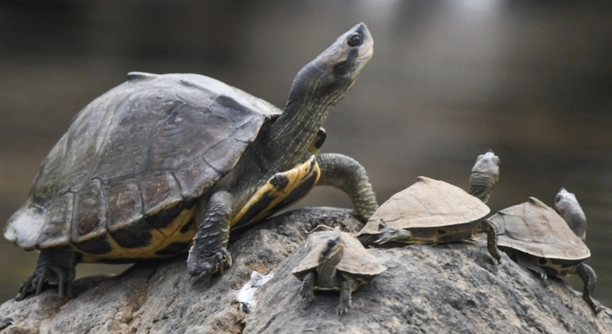
When considering tank mates for an Indian Roofed Tortoise, it’s important to select companions that will help maintain a peaceful environment. Choosing the right animals can prevent stress and ensure a healthy habitat for your tortoise.
The ideal tank mates for an Indian Roofed Tortoise are slow-moving, non-aggressive species that thrive in similar environmental conditions. Suitable companions include peaceful fish, snails, and non-aggressive amphibians. Avoid species that are too fast, territorial, or overly active.
Finding the right tank mates can make a significant difference in the tortoise’s well-being. Knowing which species to pair with your tortoise ensures a safe and harmonious environment for all inhabitants.
Best Tank Mates for Indian Roofed Tortoises
Indian Roofed Tortoises are calm and slow-moving animals, making them suitable for a peaceful tank environment. When choosing companions for your tortoise, it’s crucial to consider species that will coexist without causing stress or harm. Animals that are not overly active or territorial make ideal tank mates. Snails, certain species of fish, and some amphibians are good choices. These animals have minimal movement that won’t bother the tortoise, and they share similar needs in terms of water temperature and humidity levels. Additionally, they won’t compete for food or create disruptions in the habitat.
The right tank mates should be compatible in size and temperament with your tortoise. Choosing species that are non-aggressive and won’t try to dominate the space is essential to avoid stress for the tortoise. Make sure the animals share similar environmental preferences and don’t pose a risk to the tortoise’s health.
Fish like guppies, snails, and peaceful frogs make the best companions, as they thrive in environments with similar humidity levels. Their calm nature and compatibility with the tortoise’s pace ensure a harmonious atmosphere in the tank. Avoid pairing with more aggressive species, which can result in injury or unnecessary stress for your tortoise. By carefully selecting the right tank mates, you can maintain a balanced environment where your tortoise feels comfortable and secure.
Tank Mates to Avoid
Certain species are not suitable for tank sharing with Indian Roofed Tortoises. Fast-moving or territorial animals should be avoided to prevent disruption.
Fish like goldfish, territorial amphibians, or aggressive species should be kept out of your tortoise’s tank. Goldfish are active and can outpace the tortoise, leading to a stressful environment. Similarly, territorial amphibians, such as some types of frogs, may become aggressive and fight for space, making it uncomfortable for the tortoise. These animals could also compete for food, leading to malnutrition or injury. When selecting tank mates, always prioritize animals with calm temperaments and minimal competition for resources.
Ideal Tank Environment for Indian Roofed Tortoises
The tank should provide enough space for your tortoise to move around comfortably. It must have a secure area with proper humidity, temperature, and UV lighting to maintain a healthy environment.
Humidity is key for the tortoise’s shell and overall health. Keeping the humidity level between 60-80% ensures the tortoise stays hydrated. A basking spot with a temperature of 95°F is necessary to mimic its natural habitat, while cooler areas should be around 75°F. Proper lighting ensures they get the vitamin D they need. Keep the tank clean and well-maintained for optimal health.
A tank with sufficient hiding spots and climbing opportunities helps your tortoise feel secure. Use materials like rocks or logs that allow it to climb, but make sure everything is safe and won’t cause injury. Adding a shallow water dish for soaking is also essential for hydration. Regular cleaning of the tank and replacing the bedding will prevent harmful bacteria buildup. A well-kept environment is crucial for the tortoise’s physical and emotional well-being.
Feeding Requirements for Indian Roofed Tortoises
Indian Roofed Tortoises are herbivores, and their diet mainly consists of leafy greens, grasses, and flowers. They require a variety of plants to ensure they receive the proper nutrients.
Their diet should include dark leafy greens like kale, collard greens, and dandelion greens. It’s important to avoid feeding them high oxalate foods such as spinach or rhubarb, which can interfere with calcium absorption. You can also offer occasional fruits like papaya or melons, but in moderation. Ensuring a variety of plants in their diet helps prevent deficiencies and promotes better digestion.
Providing calcium is essential for the development and maintenance of a strong shell. Calcium powder can be sprinkled on their food regularly, and providing a cuttlebone in the tank is also beneficial. Additionally, tortoises need fresh water every day for drinking and soaking. A balanced, varied diet combined with proper hydration is key to a healthy, thriving tortoise.
Common Health Issues in Indian Roofed Tortoises
Indian Roofed Tortoises are relatively hardy but can develop health problems if not properly cared for. Issues like respiratory infections, shell rot, and metabolic bone disease are common.
Respiratory infections often occur due to improper temperature or humidity levels in the tank. Shell rot is caused by prolonged exposure to damp conditions, leading to fungal or bacterial infections. Metabolic bone disease can result from a calcium deficiency or lack of UV light. Keeping their environment consistent and offering a balanced diet will help avoid these issues.
Regular vet check-ups and monitoring the tortoise’s behavior are important for early detection. Ensuring proper hydration and sunlight exposure prevents many of these health concerns. By staying on top of their care, you can reduce the risk of serious conditions.
Proper Handling and Interaction
Handling your Indian Roofed Tortoise with care is important for both its safety and comfort. Avoid picking it up frequently as this can cause stress.
If necessary, gently lift the tortoise using both hands to support its body. Never grab it by the shell, as it can cause harm. Tortoises are naturally shy and prefer to stay in their habitat, so only interact with them when needed. Limiting handling reduces stress and helps your tortoise feel secure in its environment. Regular but gentle interaction allows your tortoise to adjust to human presence without fear.
Creating a Proper Substrate for the Tank
Choosing the right substrate for your tortoise’s tank is vital for maintaining a healthy environment. A mixture of coconut coir and soil is ideal.
Coconut coir is absorbent, helping to maintain proper humidity, while soil provides a natural feel for your tortoise. Avoid using sand, as it can cause digestive issues if ingested. It’s important to keep the substrate clean and dry, changing it regularly to prevent bacteria buildup. The right substrate ensures comfort and helps maintain the proper humidity and temperature in the tank.
FAQ
Can Indian Roofed Tortoises live with other reptiles?
Indian Roofed Tortoises can live with some other reptiles, but care must be taken when choosing tank mates. Avoid species that are territorial, aggressive, or too fast-moving. Larger reptiles, like iguanas, should not be housed with them. Smaller, peaceful reptiles like certain species of geckos or skinks can sometimes coexist, provided they have enough space and don’t compete for food. However, it is essential to monitor their interactions closely to prevent stress and injury.
What is the best temperature for an Indian Roofed Tortoise?
The ideal temperature for an Indian Roofed Tortoise should be around 95°F in the basking area. The cooler side of the tank should be around 75°F. Maintaining this gradient allows your tortoise to regulate its body temperature by moving between warm and cool zones. Providing the right temperatures ensures that your tortoise remains healthy and active.
Do Indian Roofed Tortoises need UV light?
Yes, UV light is essential for Indian Roofed Tortoises. It helps them synthesize vitamin D3, which is crucial for calcium absorption. Without proper UVB lighting, they can develop metabolic bone disease, leading to weak shells and bones. A UVB light should be used in the tank for 10-12 hours a day to mimic natural sunlight.
How often should I feed my Indian Roofed Tortoise?
Indian Roofed Tortoises should be fed daily, but the amount depends on their age and size. Young tortoises require more frequent meals, usually once a day, while adults can be fed every other day. Provide a variety of leafy greens and vegetables, ensuring that the diet is high in fiber and calcium. Avoid offering too many fruits, as they can cause digestive issues if fed in excess.
Can Indian Roofed Tortoises swim?
Indian Roofed Tortoises can swim but are not particularly strong swimmers. They prefer to soak in shallow water to keep hydrated and maintain healthy skin. It is essential to provide a shallow dish or area for soaking in their tank, but deep water should be avoided to prevent drowning.
What should I do if my Indian Roofed Tortoise isn’t eating?
If your Indian Roofed Tortoise isn’t eating, check its habitat for any issues. Low temperatures, poor humidity, or stress could be causing the lack of appetite. Ensure that the tank’s temperature and humidity are within the ideal range. If the tortoise continues to refuse food, consult a veterinarian to rule out underlying health problems.
Is it safe to handle my Indian Roofed Tortoise?
Handling should be kept to a minimum to reduce stress. If you must handle your tortoise, do so gently and support its body fully. Never pick it up by the shell. Prolonged or frequent handling can stress the tortoise, so it’s best to let it move around its tank freely.
How can I tell if my Indian Roofed Tortoise is sick?
Signs of illness in an Indian Roofed Tortoise include lethargy, swollen eyes, respiratory issues (such as wheezing or mucus), or changes in appetite. A healthy tortoise should be active, have clear eyes, and eat regularly. If you notice any of these symptoms, it’s important to consult a veterinarian promptly to address any health concerns.
Can I keep my Indian Roofed Tortoise outdoors?
Yes, Indian Roofed Tortoises can live outdoors in suitable climates, but the temperature should not drop below 60°F. They need access to a shaded area, a warm basking spot, and plenty of space to roam. If the weather isn’t suitable year-round, they should be kept indoors. Always ensure their outdoor environment is safe from predators and provides a secure, enclosed area.
How do I clean my Indian Roofed Tortoise’s tank?
Regular cleaning is essential to prevent bacteria buildup in the tank. Remove uneaten food daily, and spot clean the substrate as needed. Every two weeks, replace the bedding entirely and clean the tank with a reptile-safe cleaner. Rinse and disinfect any dishes or water bowls regularly. Keeping the tank clean is essential for your tortoise’s health.
How long do Indian Roofed Tortoises live?
Indian Roofed Tortoises can live for 50 years or more in captivity, provided they are well cared for. Proper diet, regular vet visits, and a suitable environment will help them live a long, healthy life. Be prepared for a long-term commitment if you decide to keep one as a pet.
Can Indian Roofed Tortoises eat fruit?
Indian Roofed Tortoises can eat fruit, but it should only be given occasionally and in moderation. Fruits are high in sugar and can upset their digestion if fed too often. Safe fruits include papaya, melon, and berries. Avoid citrus fruits or anything too acidic, as it may cause stomach upset.
How do I make sure my Indian Roofed Tortoise gets enough calcium?
Calcium is vital for maintaining a healthy shell and bones. Ensure your tortoise has access to calcium-rich food, like dark leafy greens. You can also sprinkle calcium powder on their food a few times a week. A cuttlebone in the tank also provides a natural source of calcium. Be sure to pair calcium with adequate UVB lighting to aid in absorption.
Do Indian Roofed Tortoises need to hibernate?
Indian Roofed Tortoises do not require hibernation, but some may naturally slow down during cooler months. In captivity, it’s not necessary to induce hibernation, as they can continue to thrive in a stable environment. If you notice your tortoise is not eating or becomes lethargic, ensure the temperature and lighting are appropriate.
What size tank does my Indian Roofed Tortoise need?
The size of the tank depends on the age and size of your tortoise. For a single adult, a tank should be at least 4 feet long, 2 feet wide, and 2 feet high. The larger the tank, the better, as it allows the tortoise to move around and explore. It’s important to ensure the tank is escape-proof and has enough room for hiding spots and climbing structures.
Final Thoughts
Indian Roofed Tortoises are fascinating pets that can thrive in a well-maintained environment. Providing the right habitat, diet, and care ensures that they live long, healthy lives. These tortoises are relatively easy to care for but do require specific attention to their needs, such as temperature, UV lighting, and diet. If these needs are met, an Indian Roofed Tortoise can be a rewarding companion for many years.
When selecting tank mates, it’s important to choose species that won’t harm or stress the tortoise. The right companions should be calm and not compete for food or space. Species like certain geckos or skinks can be suitable, but always monitor interactions to ensure the safety of all animals involved. Avoid keeping more aggressive or territorial animals with the tortoise to prevent issues. Choosing compatible tank mates can enhance the tortoise’s environment and enrich its experience.
Lastly, regular monitoring of the tortoise’s health is crucial. If you notice any signs of illness, such as lack of appetite, lethargy, or shell abnormalities, seek veterinary advice. Keeping the enclosure clean and maintaining proper temperature and humidity levels are essential practices for a healthy tortoise. By providing the right care, your Indian Roofed Tortoise will be able to live a fulfilling life, offering you years of companionship and joy.

Hello,
If you enjoy the content that we create, please consider saying a "Thank You!" by leaving a tip.
Every little bit helps us continue crafting quality advice that supports the health, happiness, and well-being of pets around the world, for pets of all shapes, sizes, and species.
We really appreciate the kindness and support that you show us!