
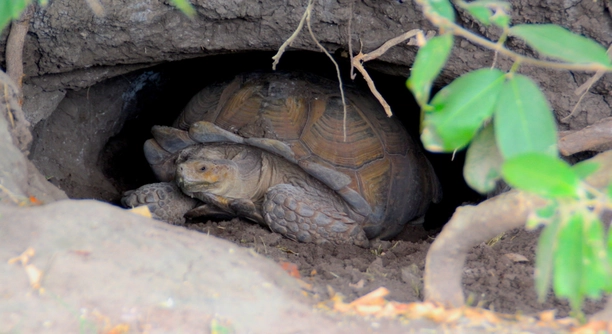
If you own a Sulcata tortoise, understanding how to identify signs of pain is essential. Recognizing discomfort in these reptiles can ensure their well-being and help address any issues early on.
Pain in Sulcata tortoises can be identified through behaviors such as lethargy, loss of appetite, and abnormal postures. Physical signs like swelling or limping may also indicate discomfort. Monitoring their movements and reactions is crucial in detecting pain.
Paying attention to your tortoise’s behavior and physical signs can prevent further complications. Observing these indicators will help ensure your tortoise’s health and comfort.
Recognizing Behavioral Changes in Sulcata Tortoises
Sulcata tortoises can be quite active and social, but when they are in pain, their behavior may change drastically. One of the first signs of distress is a shift in activity levels. If your tortoise suddenly becomes more lethargic or avoids moving altogether, it may be struggling with pain. Another key indicator is a loss of appetite. A tortoise that refuses food or seems uninterested in eating can be showing signs of discomfort. If these changes persist, it’s important to observe other potential signs to confirm if your tortoise is in pain.
Pain may also affect your tortoise’s social behavior. Sulcatas are generally solitary but will still show signs of affection or interaction when healthy. A tortoise that withdraws more than usual or seems disoriented could be experiencing pain. Tracking their routine and any shifts in these patterns will help you spot the issue before it becomes more serious.
Physical Indicators of Pain
Physical signs such as limping or swelling can also point to pain. If your tortoise is favoring one leg or appears to have difficulty walking, it could indicate an injury or inflammation. Additionally, tortoises may retreat into their shells when in pain.
Swelling around the legs, neck, or body is a common sign of infection or injury. If you notice unusual bulges or changes in their shell, it’s best to consult a vet as soon as possible.
Monitoring Your Sulcata’s Pain
Regular checks of your tortoise’s shell and limbs can help spot early signs of discomfort. A healthy shell should be smooth and even, with no signs of injury. Pay attention to how your tortoise moves, and note any difficulties. Even small changes in behavior or appearance may indicate an underlying problem. If your tortoise shows any signs of swelling, limping, or abnormal movement, it’s important to have them examined by a vet. Catching these issues early can improve recovery chances and prevent further pain.
Signs of Digestive Issues
Digestive problems in Sulcata tortoises often lead to discomfort, which can manifest in several ways. If your tortoise is experiencing digestive pain, it may show a reluctance to eat, followed by straining or excessive bloating. These signs are particularly common if the tortoise has not been provided with a proper diet.
If your tortoise isn’t eating or is struggling to pass waste, it may have a blockage or an infection in its digestive tract. Keep an eye on its stool. Watery or unusual feces may also point to gastrointestinal issues. Make sure to provide enough fiber, water, and appropriate foods to help prevent these issues. If these symptoms persist, a veterinarian should be consulted to rule out more serious conditions.
Stress and Pain
Stress can intensify pain in Sulcata tortoises. If your tortoise is exposed to loud noises, sudden changes in environment, or overcrowding, it can result in stress, which worsens their physical discomfort. It’s essential to provide a calm, stable environment for them to thrive.
Consistent stress can lead to a range of health problems, from digestive upset to immune system compromise. Ensuring that your tortoise has a designated space where it feels safe can help alleviate stress. Keep its enclosure clean, provide ample space, and minimize disturbances to give it a better chance of staying relaxed. Consider limiting exposure to sudden, loud noises that may startle your tortoise and increase its anxiety.
Importance of Proper Hydration
Dehydration can contribute to pain and discomfort in Sulcata tortoises. Lack of water affects their digestive system and can lead to issues such as constipation, which may cause pain. Ensuring your tortoise has constant access to clean water can help prevent these problems.
If you notice your tortoise not drinking or becoming sluggish, dehydration might be the cause. Offering water in a shallow dish, or occasionally soaking your tortoise in lukewarm water, can help it stay hydrated. Watch for dry skin or sunken eyes, as these can also be signs of dehydration.
Temperature Control
Sulcata tortoises rely heavily on the correct temperature to maintain their body function. Too high or too low of a temperature can lead to stress and pain. A proper basking spot should range between 95-100°F, while the cooler side should stay around 75-85°F.
Maintaining proper temperatures ensures your tortoise’s metabolism and digestion work efficiently. A consistent temperature range supports its overall health and reduces the likelihood of developing stress-related issues. Installing a reliable heat source, such as a ceramic bulb, and using a thermometer will help keep its environment stable.
FAQ
How can I tell if my Sulcata tortoise is in pain?
Signs of pain in Sulcata tortoises can include changes in behavior, such as lethargy or loss of appetite. If your tortoise is avoiding movement, favoring one leg, or showing abnormal postures, it may be in pain. Keep an eye on any swelling, limping, or other unusual physical symptoms. If these signs persist, consult a veterinarian.
What are the most common health problems in Sulcata tortoises?
Common health problems in Sulcata tortoises include respiratory infections, shell rot, and digestive issues. Improper diet and lack of proper environmental conditions can lead to these issues. To prevent them, provide a balanced diet, ensure adequate hydration, and maintain a clean, properly heated habitat for your tortoise.
How do I prevent my tortoise from getting sick?
Maintaining a consistent and healthy environment is key to preventing illness. Ensure your tortoise has a proper diet, including a variety of high-fiber grasses and plants. Keep its enclosure clean, provide access to fresh water, and monitor the temperature to avoid stress. Regularly check for signs of illness and make adjustments to its care routine as needed.
Can Sulcata tortoises live with other animals?
Sulcata tortoises are generally solitary creatures and may not do well in an enclosure with other animals. They can become stressed or territorial, which may lead to injury or aggression. If introducing other animals, it’s important to carefully observe their interactions and ensure each animal’s needs are met. Providing separate spaces for different pets is often the best choice.
What should I feed my Sulcata tortoise?
Sulcata tortoises are herbivores, and their diet should consist primarily of grass, hay, and other fibrous plant matter. Offer a variety of grasses, along with leafy greens like dandelion greens, collard greens, and kale. Limit the intake of fruits and avoid feeding them high-oxalate or high-protein foods, as these can cause health issues.
How much space does a Sulcata tortoise need?
Sulcata tortoises require ample space to roam. A minimum of 100 square feet is recommended for a single tortoise, though larger enclosures are even better. Ensure the enclosure has areas for basking, hiding, and grazing. The larger the space, the more comfortable your tortoise will be.
How often should I take my Sulcata tortoise to the vet?
Routine veterinary check-ups are important, even if your tortoise appears healthy. A vet should check your tortoise at least once a year for a general health assessment. If you notice signs of illness or abnormal behavior, it’s important to schedule a vet visit as soon as possible. Regular check-ups help detect problems early.
Can my Sulcata tortoise live outside?
Yes, Sulcata tortoises can live outdoors if the climate is warm enough. They require a warm, dry environment with plenty of space to roam. The enclosure should be secure to prevent escape, with access to both shaded areas and basking spots. If temperatures drop too low, they should be brought indoors to prevent health issues.
How do I handle a Sulcata tortoise?
Sulcata tortoises should not be picked up too often, as this can cause stress. If you need to move your tortoise, support its body with both hands and avoid lifting it by the tail or legs. Always handle your tortoise gently and with care, and avoid rough handling to prevent injury.
What is the lifespan of a Sulcata tortoise?
Sulcata tortoises are long-lived and can live for 50 years or more with proper care. Their lifespan depends on the conditions they are kept in, including diet, habitat, and overall health. With the right care, they can be a lifelong companion. However, it’s important to plan for their long-term needs as they grow.
Why is my Sulcata tortoise not eating?
A Sulcata tortoise may refuse food for several reasons, including stress, illness, or environmental factors. Check the temperature of the enclosure, as an improper heat gradient can affect its appetite. Make sure it is well-hydrated and has access to fresh, suitable food. If the refusal to eat continues, consult a vet.
What temperature should my Sulcata tortoise’s habitat be?
Sulcata tortoises need a warm environment to thrive. The basking area should be between 95°F and 100°F, while the cooler side of the enclosure should range between 75°F and 85°F. Proper heating and lighting are essential to mimic the natural environment and keep your tortoise healthy.
Can I keep a Sulcata tortoise in a tank?
A tank is not suitable for a Sulcata tortoise, as they require plenty of space to move around. Tanks can be too small for them and don’t allow for proper temperature gradients or environmental enrichment. A large outdoor enclosure is ideal, but if kept indoors, a spacious setup with adequate lighting and heating is essential.
Final Thoughts
Caring for a Sulcata tortoise requires attention to detail and consistency. By observing their behavior, providing a proper diet, and ensuring their habitat meets their needs, you can help prevent many common issues. Pain in tortoises is not always easy to detect, but with regular checks and the right care, you can manage their health. Monitoring their activity levels, appetite, and physical condition can often be the first signs that something is wrong. Early detection is essential to avoiding long-term complications.
Environmental conditions play a significant role in maintaining your Sulcata tortoise’s well-being. The right temperature, humidity, and lighting can make a noticeable difference in their health. Make sure their enclosure is large enough to allow them to move freely, with both basking areas and shaded zones to balance their needs. A tortoise’s diet also plays an important role. Providing fibrous plants, grass, and occasional greens ensures they get the nutrients they need. Avoid overfeeding with fruits or high-protein foods to prevent health problems. Fresh, clean water is equally important, and hydration should always be monitored.
Lastly, being proactive about regular veterinary check-ups ensures that your Sulcata tortoise stays in optimal health. Though it may be tempting to wait until they show signs of distress, routine visits can help detect hidden issues before they become serious. With careful monitoring, a balanced diet, and a proper habitat, your Sulcata tortoise can thrive and live a long, healthy life. Patience and understanding are key, and taking time to learn about their specific needs will make all the difference in their overall health.

Hello,
If you enjoy the content that we create, please consider saying a "Thank You!" by leaving a tip.
Every little bit helps us continue crafting quality advice that supports the health, happiness, and well-being of pets around the world, for pets of all shapes, sizes, and species.
We really appreciate the kindness and support that you show us!