
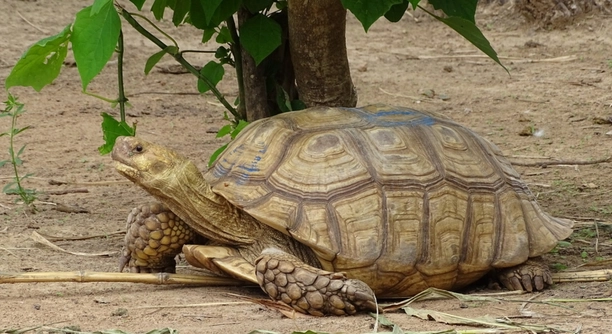
Respiratory infections in Sulcata tortoises can be a serious concern for owners. Knowing how to prevent these infections is essential for maintaining your tortoise’s health and ensuring a long, happy life.
The best way to prevent respiratory infections in Sulcata tortoises is by maintaining proper habitat conditions, including temperature, humidity, and ventilation. Providing a clean, stress-free environment and a well-balanced diet also helps support their immune system.
Understanding these preventive steps will help you create a safe, healthy environment for your tortoise and avoid potential complications.
Maintain Proper Habitat Conditions
Sulcata tortoises rely heavily on their environment to stay healthy. Keeping the temperature, humidity, and ventilation levels within the correct range is essential. Daytime temperatures should stay between 85-95°F, with a basking spot of 100-110°F. Nighttime temperatures shouldn’t drop below 75°F to prevent respiratory stress. Additionally, humidity levels should be kept around 40-60% to support healthy breathing. Poorly ventilated enclosures can lead to moisture buildup, which encourages bacterial growth and respiratory infections. Regularly monitoring these conditions and adjusting as needed will help keep your tortoise healthy and comfortable.
Temperature fluctuations are one of the most common triggers for respiratory infections. Use a reliable thermometer and hygrometer to track conditions accurately. Adjust heating elements and misting schedules to maintain consistent levels.
Creating a stable environment may take some effort, but once established, it significantly reduces the risk of respiratory infections. Consistency is key to your tortoise’s respiratory health.
Provide a Balanced Diet
A nutritious, balanced diet supports a Sulcata tortoise’s immune system. These tortoises thrive on high-fiber, low-protein foods such as grasses and hay. Leafy greens like dandelion and collard greens provide essential vitamins and minerals. Avoid feeding fruits and high-oxalate vegetables, as they can cause health issues.
Calcium is crucial for shell development and overall health. Offer a calcium supplement without phosphorus and ensure your tortoise gets adequate UVB exposure to help with calcium absorption. A well-nourished tortoise is less likely to develop infections, including those affecting the respiratory system.
When feeding your tortoise, consistency matters. Offer fresh, clean food daily and avoid sudden dietary changes, which can cause stress and weaken the immune system. Regularly clean food and water dishes to prevent bacterial contamination. With proper nutrition, your tortoise will have a stronger immune system, better equipped to fight off respiratory infections.
Keep the Enclosure Clean
A clean enclosure helps prevent harmful bacteria and fungi from affecting your tortoise’s respiratory health. Regular cleaning reduces the buildup of waste, mold, and other contaminants that can cause infections. Maintain a routine to keep their habitat safe and hygienic.
Spot-clean the enclosure daily by removing uneaten food, feces, and soiled substrate. Deep clean the entire habitat every few weeks, including disinfecting surfaces, water dishes, and hiding spots. Use a reptile-safe cleaner and rinse thoroughly to remove any residue. Dirty enclosures create an environment where respiratory pathogens thrive, so consistency is crucial.
Substrate choice also matters. Avoid materials like pine or cedar, which release oils that can irritate a tortoise’s respiratory system. Opt for soil-based or cypress mulch substrates that retain moisture without becoming moldy. Maintaining a clean, dry environment helps protect your tortoise from respiratory complications and promotes better overall health.
Monitor for Early Symptoms
Respiratory infections can worsen quickly if left untreated, so early detection is essential. Watch for symptoms such as nasal discharge, labored breathing, open-mouth breathing, and lethargy. Recognizing these signs early gives you a better chance of addressing the issue before it progresses.
If you notice symptoms, check the habitat conditions first. Temperature drops or high humidity can cause respiratory distress. Adjust as needed and observe your tortoise closely. If symptoms persist, seek veterinary care. Respiratory infections often require antibiotics or other treatments prescribed by a reptile specialist.
Regular monitoring, combined with proper care, reduces the risk of complications. Simple habits like observing your tortoise’s behavior during feeding and basking can help you catch potential issues early. Being attentive to subtle changes helps ensure their long-term health.
Avoid Drafts and Sudden Temperature Changes
Drafts and sudden temperature changes can weaken a tortoise’s immune system, making respiratory infections more likely. Keep the enclosure away from windows, doors, and vents to avoid exposure to cold air or sudden shifts in temperature.
Use thermostats and heaters to maintain consistent warmth. Regularly check equipment to ensure it functions correctly and keeps temperatures stable.
Schedule Regular Vet Checkups
Routine veterinary visits are crucial for maintaining your Sulcata tortoise’s respiratory health. A reptile-savvy vet can identify potential issues early, even if symptoms are not obvious. These checkups often include physical exams, fecal tests, and discussions about diet and habitat conditions. Preventive care reduces the risk of respiratory infections and other health complications.
Reduce Stress in the Environment
Stress weakens a tortoise’s immune system, increasing the risk of illness. Minimize loud noises, frequent handling, or sudden changes in the enclosure. A calm, familiar environment supports a healthier, more resilient respiratory system.
What causes respiratory infections in Sulcata tortoises?
Respiratory infections in Sulcata tortoises are often caused by poor habitat conditions, such as incorrect temperature, humidity, or ventilation. When the environment is too cold or humid, it stresses their immune system, making them more susceptible to infections. Bacterial, viral, or fungal pathogens can also contribute to respiratory problems, especially in enclosures that aren’t cleaned regularly. Additionally, nutritional deficiencies, particularly a lack of vitamin A, can weaken the respiratory lining, increasing the risk of infection.
How can I tell if my Sulcata tortoise has a respiratory infection?
Common signs of a respiratory infection include nasal discharge, open-mouth breathing, wheezing, and lethargy. You may also notice decreased appetite or unusual behaviors like stretching the neck to breathe more easily. In some cases, bubbles around the nostrils can indicate excess mucus. If these symptoms appear, it’s essential to assess habitat conditions and contact a reptile veterinarian for a proper diagnosis and treatment plan. Respiratory infections can worsen quickly if left untreated, so early detection is important.
What should I do if my tortoise shows signs of a respiratory infection?
If you notice symptoms, start by checking the enclosure’s temperature and humidity levels. Adjust as needed to reach the recommended range: 85-95°F during the day, with a basking spot of 100-110°F, and humidity around 40-60%. Ensure the enclosure is free of drafts and that ventilation is adequate. If symptoms persist, seek veterinary care. Treatment may involve antibiotics, supportive care, and environmental adjustments to help your tortoise recover.
Can a respiratory infection spread to other tortoises?
Yes, respiratory infections can spread, especially if multiple tortoises share the same enclosure. Bacterial and viral pathogens can be transmitted through shared surfaces, water bowls, or direct contact. If one tortoise shows symptoms, isolate it immediately and clean the enclosure thoroughly. Disinfect all surfaces, including food and water containers, to reduce the risk of spreading the infection to healthy tortoises.
How can I prevent respiratory infections in Sulcata tortoises?
Preventing respiratory infections requires consistent care. Maintain proper temperature and humidity levels, clean the enclosure regularly, and provide a balanced, high-fiber diet. Ensure your tortoise receives adequate UVB exposure to support a strong immune system. Avoid overcrowding, as stress from competition can weaken their immune defenses. Regular vet checkups also help catch potential health issues early, reducing the risk of infections.
Why is proper humidity so important for respiratory health?
Humidity levels that are too high can cause excess moisture, creating a breeding ground for bacteria and fungi. Low humidity, on the other hand, can dry out the tortoise’s respiratory lining, making it more susceptible to infection. Keeping humidity within the 40-60% range helps protect their respiratory system. Use a hygrometer to monitor levels and adjust misting or ventilation as needed.
What type of substrate is best for preventing respiratory infections?
The best substrates are natural, moisture-retaining materials like soil or cypress mulch. Avoid pine or cedar shavings, as their oils can irritate the respiratory tract. The substrate should stay slightly moist but never damp or moldy. Regularly check for mold growth and replace the substrate as needed to maintain a healthy environment.
Does diet impact respiratory health in Sulcata tortoises?
Yes, diet plays a crucial role in respiratory health. A high-fiber, low-protein diet supports immune function and overall well-being. Grasses and hay should make up the majority of their diet, with occasional servings of leafy greens. Vitamin A is particularly important, as deficiencies can cause respiratory issues. Avoid feeding fruits and high-oxalate vegetables, as they can interfere with nutrient absorption and weaken the immune system.
Can stress cause respiratory problems?
Stress weakens a tortoise’s immune response, making respiratory infections more likely. Common stressors include excessive handling, loud noises, and frequent changes to their environment. Provide a stable, quiet habitat with secure hiding spots to reduce stress. Ensuring a consistent routine and avoiding overcrowded enclosures can also help keep your tortoise calm and healthy.
When should I take my tortoise to the vet?
You should visit the vet if you notice persistent symptoms like nasal discharge, labored breathing, or lethargy. Additionally, schedule regular checkups to monitor overall health and address any potential concerns early. Tortoises with recurring respiratory issues may need more frequent vet visits to manage underlying causes and prevent complications.
Respiratory infections can pose significant health risks to Sulcata tortoises, but with the right care and attention, they are largely preventable. Maintaining a clean, stable environment with proper temperature, humidity, and ventilation is crucial. These tortoises are highly sensitive to changes in their surroundings, so consistency matters. Regularly checking and adjusting their habitat conditions helps reduce the risk of infections. Simple steps like avoiding drafts, using reliable heating equipment, and keeping the enclosure clean can make a big difference in protecting their respiratory health.
A well-balanced diet also plays a key role in preventing respiratory problems. Sulcata tortoises need a high-fiber, low-protein diet with plenty of grasses and leafy greens to support a strong immune system. Calcium and vitamin A are essential nutrients that contribute to their overall health, including respiratory function. Offering clean, fresh water daily and maintaining a hygienic feeding area further reduces the risk of bacterial contamination. Consistent feeding practices, along with regular cleaning of food and water dishes, create a healthier, more resilient tortoise.
Preventing respiratory infections is about creating a safe, stress-free environment and providing attentive care. Observing your tortoise’s behavior and being alert to early symptoms allows you to respond quickly if issues arise. Routine vet visits add an extra layer of protection, ensuring that potential problems are caught early. With proper care, Sulcata tortoises can enjoy a healthy life free from respiratory complications. Taking these preventive steps today helps ensure your tortoise stays active, alert, and healthy for years to come.

Hello,
If you enjoy the content that we create, please consider saying a "Thank You!" by leaving a tip.
Every little bit helps us continue crafting quality advice that supports the health, happiness, and well-being of pets around the world, for pets of all shapes, sizes, and species.
We really appreciate the kindness and support that you show us!