
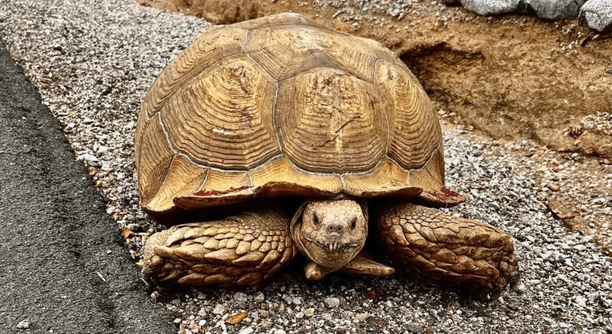
Caring for a sulcata tortoise requires attentiveness to their health and well-being. As these tortoises live long lives, being aware of subtle signs of illness is important for keeping them happy and healthy.
If your sulcata tortoise is unwell, common signs include a loss of appetite, lethargy, or changes in their shell or skin condition. Other symptoms like respiratory issues or abnormal behavior may also indicate health problems, requiring immediate attention.
Identifying these signs early will help ensure your tortoise receives the proper care. Recognizing the changes in their behavior or physical appearance is essential for maintaining their overall health.
Common Signs Your Sulcata Tortoise Is Unwell
When your sulcata tortoise isn’t feeling well, they might show several obvious signs. One of the first things you might notice is a change in their behavior. They could become unusually lethargic, spending more time hiding or not moving around much. Sulcatas are normally active and curious creatures, so if they suddenly stop exploring, it’s a red flag. Another warning sign is a decrease in appetite. If your tortoise refuses to eat their usual food, it’s a good idea to keep an eye on them for other symptoms. Sometimes, their shells or skin might also show abnormalities, like softness or cracks, which can indicate health problems. In these cases, it’s important to take them to a vet for a proper diagnosis.
Dehydration is another common issue for sulcata tortoises. A lack of water can lead to various health problems, so always make sure they have access to fresh water and that they are drinking regularly.
Their environment plays a big role in their health. Sulcatas need the right temperature and humidity levels to stay healthy. Too much heat or cold can lead to stress and illness. It’s important to provide them with a basking area that stays warm and a cooler area for resting. Additionally, the substrate you use should be safe and non-toxic to avoid any risks. If your tortoise shows signs of distress, adjusting their living conditions can help improve their well-being.
Changes in Eating Habits
A sudden drop in appetite can often be one of the first signs that something is wrong with your sulcata tortoise.
While sulcata tortoises typically have a hearty appetite, changes in their eating habits can signal a range of issues. Loss of appetite might be due to stress, an unhealthy living environment, or even underlying health conditions. If your tortoise starts refusing food, it’s a good idea to assess its habitat first. Check if the temperature or humidity levels are correct and if they’re comfortable in their space. Next, make sure that the food offered is fresh and properly prepared. A refusal to eat could also be linked to dehydration, so ensure they have access to water at all times. However, persistent lack of appetite could indicate an infection, parasite, or digestive issue, which would require a visit to the vet. Keep in mind that sudden changes in eating habits should never be ignored.
Behavioral Changes
If your sulcata tortoise starts acting differently, it could be a sign that something is wrong. Sudden lethargy or a lack of interest in their surroundings is worth noting.
Tortoises are naturally active and curious, so if your sulcata is no longer exploring or moving around like usual, it’s a good indication of distress. Other behavioral changes may include hiding more than normal or avoiding interaction with their environment. When this happens, it’s essential to check their habitat conditions. A drop in temperature or improper humidity can cause stress, leading to inactivity. Pay attention to any signs of discomfort, such as scratching or trying to escape, as they could be trying to get away from something causing them stress. If the behavior persists, it’s time to contact a vet for a check-up.
Illness can also affect their normal behavior. A sulcata that is in pain may become less active or show signs of distress. If your tortoise is behaving unusually, it’s crucial to rule out potential health problems.
Shell or Skin Issues
Changes to your sulcata tortoise’s shell or skin may signal a serious health problem. Softness, cracks, or discoloration should be addressed immediately.
The shell is a crucial part of your tortoise’s overall health, and any damage to it can affect their well-being. If the shell becomes soft or starts to develop cracks, it might indicate a calcium deficiency or an infection. This can be caused by an improper diet or poor living conditions. The skin also requires attention—any unusual dryness, peeling, or sores can point to dehydration or other health issues. Regularly inspect your tortoise’s shell and skin for any changes. If you spot anything concerning, a veterinarian should be consulted for further evaluation. Treating shell and skin problems quickly can prevent long-term damage and complications.
A healthy tortoise’s shell should be hard and free from any signs of damage. Proper nutrition and a safe, clean habitat are the best ways to keep your sulcata’s shell and skin in good condition.
Respiratory Issues
If your sulcata tortoise is showing signs of breathing difficulties, such as wheezing, nasal discharge, or open-mouth breathing, it’s a sign of respiratory issues.
Respiratory infections are common in tortoises, and they can worsen quickly if left untreated. These issues are often caused by poor environmental conditions, such as low temperatures or high humidity levels. If your tortoise exhibits symptoms like excessive mucus around the nose or eyes, difficulty breathing, or lethargy, it’s time to consult a vet. Treatment might include antibiotics or changes to their habitat to help them recover. Respiratory problems can be serious, so early intervention is important.
Hydration and Dehydration
Dehydration can cause your sulcata tortoise to act differently and affect their health.
If your tortoise is not drinking enough water, it can lead to dehydration, causing lethargy, dry skin, and reduced appetite. Ensure they always have access to fresh water and that their living conditions are optimal for hydration. Provide water-rich foods like leafy greens, and mist their habitat occasionally. Dehydration should be addressed quickly to avoid long-term health issues.
FAQ
How can I tell if my sulcata tortoise is stressed?
Stress in sulcata tortoises can show in a few different ways. Common signs include excessive hiding, decreased activity, or attempts to escape their enclosure. They may also stop eating or exhibit abnormal behavior, such as constant pacing. Stress can be caused by environmental factors like improper temperature, inadequate space, or sudden changes in their surroundings. Make sure their enclosure is large enough, has proper lighting, and is at the right temperature. If stress continues, try to minimize changes and give them time to settle. If the symptoms don’t improve, a vet may be able to offer additional advice.
What should I do if my sulcata tortoise isn’t eating?
Loss of appetite can be concerning, especially if it persists for several days. First, check if there are any environmental factors at play, like an incorrect temperature or humidity level. Also, ensure the food you’re offering is fresh and appetizing for your tortoise. Sometimes, sulcatas may refuse food due to stress, illness, or dehydration. Try offering food with higher moisture content, like leafy greens or flowers, to encourage eating. If the lack of appetite lasts more than a few days, contact a veterinarian to rule out any health problems such as parasites, digestive issues, or an infection.
How do I know if my sulcata tortoise is dehydrated?
Dehydration is a common issue in sulcata tortoises and can lead to severe health problems if not addressed quickly. Signs of dehydration include dry, flaky skin, sunken eyes, and lethargy. If your tortoise isn’t drinking enough water, try offering water-rich foods like watermelon, cucumber, or leafy greens. Make sure they always have access to fresh, clean water, and consider misting the enclosure to maintain humidity. If you suspect dehydration and the signs don’t improve, take them to a vet immediately for proper treatment.
What is the ideal temperature for my sulcata tortoise?
Sulcata tortoises need a specific temperature range to thrive. During the day, the basking area should be around 95°F (35°C), while the cooler side of the enclosure should be around 75°F (24°C). At night, temperatures can drop slightly but should not fall below 65°F (18°C). If the enclosure is too cold, your tortoise may become lethargic or stressed, while a temperature that’s too hot can lead to overheating and dehydration. Ensure that there’s a good gradient of temperature in their habitat so they can regulate their body temperature as needed.
How do I provide proper lighting for my sulcata tortoise?
Proper lighting is essential for your sulcata tortoise’s health. UVB light is crucial for vitamin D3 production, which helps with calcium absorption and shell development. Make sure you provide a UVB bulb that covers a large area of their enclosure and replace it every 6-12 months, even if the bulb still seems to work. Additionally, provide a heat source such as a basking light or ceramic heater to maintain the appropriate temperature in the enclosure. Tortoises also need a natural day-night cycle, so keep the light on for 10-12 hours a day and turn it off at night to mimic their natural environment.
Why is my sulcata tortoise’s shell soft?
A soft shell in a sulcata tortoise is a sign of poor health, often linked to a calcium deficiency or metabolic bone disease (MBD). Inadequate exposure to UVB light, a poor diet lacking calcium and vitamin D3, or dehydration can all contribute to a soft shell. To prevent this, make sure your tortoise gets plenty of UVB light and is fed a balanced diet rich in calcium and fiber. You can also provide a calcium supplement if necessary. If the shell is already soft, it’s important to take your tortoise to the vet for treatment.
How do I clean my sulcata tortoise’s enclosure?
Keeping the enclosure clean is vital for your tortoise’s health. Regularly remove uneaten food and waste to avoid bacteria build-up. You should deep clean the enclosure every couple of weeks, scrubbing all surfaces with a safe, non-toxic cleaner. For the substrate, spot clean daily and replace it completely every few months. Make sure the water dish is cleaned and refilled regularly to prevent contamination. Maintaining a clean habitat helps keep your sulcata tortoise free from parasites and other potential health issues. Always disinfect tools and items used in the cleaning process to prevent cross-contamination.
Can my sulcata tortoise live with other tortoises?
Sulcata tortoises can live with other tortoises, but it depends on the species. Sulcatas are generally peaceful but can become territorial or aggressive, especially when they feel threatened. If you plan to house multiple tortoises together, ensure the enclosure is large enough to provide each one with enough space to roam. Also, monitor them for any signs of aggression or dominance, such as chasing, biting, or excessive shell rubbing. It’s important to watch for any potential conflicts and provide a way for them to separate if necessary. If you’re unsure, consulting with a vet or reptile expert can provide guidance specific to your situation.
How often should I feed my sulcata tortoise?
Adult sulcata tortoises should be fed once a day. Their diet mainly consists of grasses, hay, and leafy greens, along with some vegetables and occasional flowers. The amount you feed will depend on the size of your tortoise, but it’s important not to overfeed them, as they can become overweight. Younger sulcata tortoises may require more frequent feedings, typically two to three times a day. Ensure the food you provide is fresh, and avoid high-protein foods, which can cause health problems. Regular feeding helps maintain a healthy growth rate and prevents obesity.
What type of substrate should I use for my sulcata tortoise?
The best substrate for a sulcata tortoise is one that mimics their natural environment while providing good drainage and comfort. Common choices include grass hay, coconut coir, or a mixture of sand and soil. Avoid using pine or cedar shavings, as they can be harmful to tortoises. The substrate should be easy to clean and allow your tortoise to dig and burrow. A naturalistic substrate also helps maintain humidity levels, which is important for your tortoise’s health. Ensure the bedding is not too deep or too wet, as this can lead to respiratory issues.
Final Thoughts
Taking care of a sulcata tortoise involves paying attention to their behavior, diet, and environment. These tortoises have specific needs that must be met for them to stay healthy and thrive. By monitoring your tortoise’s activity levels, eating habits, and shell condition, you can catch potential health problems early. Regularly checking their living conditions and making sure they have a balanced diet is also crucial. These steps will ensure that your tortoise remains happy and healthy for years to come.
While sulcata tortoises are generally low-maintenance pets, their size and long lifespan mean that they require ongoing attention and care. It’s important to remember that they can live for several decades, so investing in a suitable enclosure, appropriate lighting, and proper care is essential. Over time, you will learn to understand your tortoise’s unique behaviors and habits, which will help you identify any signs of illness or stress quickly. If you ever feel unsure about your tortoise’s health, don’t hesitate to seek advice from a reptile vet.
Lastly, maintaining a good balance between their diet, hydration, and living space is key to keeping your sulcata tortoise comfortable. These creatures are resilient, but they rely on their environment and the care you provide. If you stay observant and proactive, you can help prevent health issues before they become serious. With patience and the right knowledge, you’ll be able to give your sulcata tortoise the best care possible.

Hello,
If you enjoy the content that we create, please consider saying a "Thank You!" by leaving a tip.
Every little bit helps us continue crafting quality advice that supports the health, happiness, and well-being of pets around the world, for pets of all shapes, sizes, and species.
We really appreciate the kindness and support that you show us!