
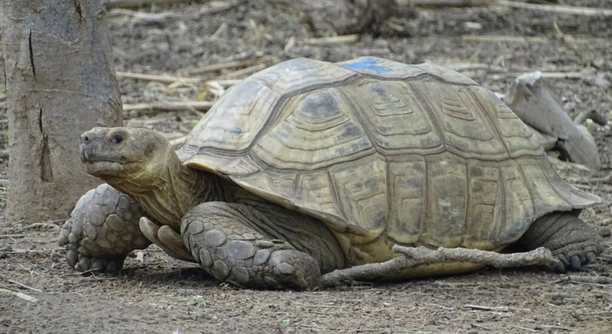
Sulcata tortoises require a calcium-rich diet to support their growth and overall health. This article explores the best calcium sources to include in their feeding routine.
Calcium is essential for sulcata tortoises, as it helps maintain strong bones and prevent metabolic bone disease. Foods rich in calcium, such as certain greens, can be easily incorporated into their diet to meet these needs.
Providing your sulcata tortoise with the right calcium sources is key to maintaining their health and ensuring a long, happy life. We’ll explore some of the best options for your shelled friend.
Dark Leafy Greens
Dark leafy greens are a great source of calcium for your sulcata tortoise. They contain essential nutrients that help support their skeletal system and overall health. Some of the best options include kale, collard greens, and mustard greens. These greens are easy to find and can be incorporated into their regular meals.
Leafy greens should be given to sulcata tortoises at least a few times a week. A mixture of different types of greens will provide a well-rounded nutritional profile. Make sure to wash the greens thoroughly to remove any pesticides or chemicals. It’s important to rotate between various greens to keep the diet diverse and balanced.
Avoid feeding too many spinach leaves, as it contains oxalates, which can block calcium absorption. If you offer spinach occasionally, balance it with other calcium-rich vegetables to ensure your tortoise gets the full benefit. Over time, you’ll notice how quickly your tortoise adapts to this healthy diet, making it a natural part of their feeding routine.
Cactus Pads
Cactus pads are another excellent choice for providing calcium to your sulcata tortoise. They are not only packed with calcium but are also high in moisture, which is beneficial for hydration.
Cactus pads are low in calories and provide much-needed hydration for sulcatas, especially in dry climates. The thick, fleshy pads contain essential vitamins and minerals, offering a good boost to their health. Be sure to remove any spines before serving to prevent injury. Cutting them into small, manageable pieces will make it easier for your tortoise to eat.
These pads are not just a healthy addition to the diet but also a great way to mix things up. Offering variety ensures your tortoise doesn’t get bored of the same foods. By incorporating cactus pads regularly, you can promote proper digestion and support overall well-being. Always be mindful to combine them with other sources of calcium to keep the diet well-rounded.
Dandelion Greens
Dandelion greens are a fantastic source of calcium and vitamins for your sulcata tortoise. These leafy greens are easy to find and highly nutritious, making them an excellent addition to their diet.
Dandelion greens are packed with calcium, which is essential for maintaining bone health and preventing diseases like metabolic bone disease. You can either gather them from your garden or purchase them from pet stores. Just make sure to avoid any pesticides or chemicals when picking them. Since dandelion greens are high in fiber, they also help with digestion, which is important for tortoises.
These greens can be served raw, and your tortoise will likely enjoy them as a regular part of their meals. Offering a variety of greens, including dandelions, can make mealtime more interesting for your tortoise. The rich calcium content in these greens is a key factor in supporting your tortoise’s growth and overall well-being.
Prickly Pear
Prickly pear is another valuable food option for sulcata tortoises. This cactus fruit is rich in calcium and moisture, making it a healthy treat.
Prickly pear, when prepared correctly, is a great source of calcium for sulcata tortoises. The fruit contains not only calcium but also fiber and essential vitamins, supporting your tortoise’s overall health. When offering prickly pear, make sure to remove the spines from the skin and cut it into small, manageable pieces to avoid any injury. You can serve it a couple of times a week as a nutritious snack.
Along with its high calcium content, prickly pear also provides hydration, which is important, especially for tortoises in warmer climates. This combination of nutrients helps maintain a healthy digestive system and supports the tortoise’s growth. Just be cautious with the amount, as it should be part of a balanced diet rather than the main food.
Mulberry Leaves
Mulberry leaves are another great addition to your sulcata tortoise’s diet. They’re rich in calcium, vitamins, and antioxidants that promote good health.
You can easily find mulberry leaves from mulberry trees or purchase them online. Just make sure they’re fresh and free from any pesticides. Offering mulberry leaves a few times a week will support bone health and digestion. They’re also a favorite of many tortoises, making them a simple and enjoyable treat.
Cabbage
Cabbage, especially when served in moderation, provides a decent source of calcium for sulcata tortoises. It’s a common vegetable that many tortoises enjoy.
While cabbage contains calcium, it also has high levels of goitrogens, which can interfere with thyroid function if fed too frequently. It’s best to offer cabbage as a treat, not a staple, and balance it with other calcium-rich vegetables. This way, your tortoise gets the nutrients it needs without any negative effects. Just be sure to introduce new foods slowly and observe any changes in your tortoise’s behavior or health.
FAQ
How much calcium does my sulcata tortoise need?
Sulcata tortoises require a balanced amount of calcium in their diet to maintain healthy bones and prevent metabolic bone disease. A general rule is that they should have a calcium-to-phosphorus ratio of around 2:1. This means for every part of phosphorus in their diet, they should consume at least two parts calcium. Offering calcium-rich foods such as leafy greens and fruits helps ensure your tortoise gets enough of this essential nutrient. Additionally, you can supplement their diet with calcium powder, especially if their food sources are low in calcium.
Can I give my sulcata tortoise too much calcium?
While calcium is crucial for your tortoise’s health, it is possible to give too much. Excessive calcium intake can lead to kidney problems and other health issues. If you’re using a calcium supplement, follow the recommended dosage. It’s also important to monitor your tortoise’s overall diet to ensure they’re not receiving too much calcium in comparison to other nutrients. Too much calcium can disrupt the absorption of other minerals and cause imbalances in their system. Always strive for a balanced diet and avoid over-supplementing.
Are there any foods I should avoid feeding my sulcata tortoise?
Yes, there are certain foods that should be avoided or only given occasionally. For example, spinach and beet greens contain oxalates, which can bind to calcium and prevent proper absorption. You should also avoid iceberg lettuce, as it has little nutritional value and can cause digestive problems. High-starch foods like potatoes should be avoided as well. Foods high in phosphorus, such as certain beans or seeds, should be limited in their diet. Always focus on giving your tortoise fresh, calcium-rich vegetables, fruits, and grasses.
How can I tell if my sulcata tortoise is getting enough calcium?
You can monitor your tortoise’s health by watching for signs of metabolic bone disease (MBD). Symptoms of MBD include soft or deformed shells, weakness, and difficulty moving. If your tortoise is showing any of these signs, it could indicate a calcium deficiency. Additionally, regularly checking your tortoise’s growth and shell condition can give you an idea of how well they’re absorbing nutrients. If you’re unsure, a visit to a veterinarian who specializes in reptiles can help ensure your tortoise is getting the right amount of calcium.
Should I provide a calcium supplement for my sulcata tortoise?
Calcium supplements can be beneficial, especially if you’re concerned that your tortoise’s diet is lacking in calcium-rich foods. Dusting their food with calcium powder is a common way to ensure they’re getting enough of this nutrient. However, supplements should never replace a proper diet. Instead, use them to complement their natural food intake. It’s important to choose a calcium supplement that does not contain vitamin D3 unless directed by your veterinarian, as too much vitamin D3 can lead to toxicity.
Can my sulcata tortoise eat fruits with calcium?
Yes, some fruits are also good sources of calcium for your tortoise. Fruits such as figs, papayas, and berries contain moderate amounts of calcium. However, fruits should not make up the majority of your tortoise’s diet. While they offer calcium, fruits are also high in sugar, which can contribute to obesity and digestive issues if fed too often. Fruits should be given as an occasional treat, and the majority of their diet should consist of leafy greens, vegetables, and high-fiber plants.
Can I feed my sulcata tortoise calcium-rich foods daily?
Yes, many of the calcium-rich foods like dark leafy greens and cactus pads can be offered to your sulcata tortoise daily. However, variety is key to ensuring a balanced diet. While offering these foods every day can be beneficial, you should rotate between different types of greens, vegetables, and occasional fruits to prevent overfeeding any one food. A balanced diet promotes good digestion and prevents health problems. Always keep in mind the calcium-to-phosphorus ratio and make adjustments if necessary.
How often should I feed my sulcata tortoise calcium-rich foods?
You should offer calcium-rich foods to your sulcata tortoise at least several times a week. If you’re using a calcium supplement, you can sprinkle it on their food a few times a week to ensure they get enough calcium. This is especially important for younger tortoises that are still growing, as their bones are developing. For adult tortoises, calcium-rich foods should still be part of their diet, but they may not need as much daily as younger tortoises. Regularly monitor their health to adjust their diet if needed.
What are the best types of greens for calcium intake?
The best types of greens for calcium intake include kale, collard greens, mustard greens, and dandelion greens. These are all high in calcium and can easily be found at most grocery stores or grown in your garden. They should be a staple in your tortoise’s diet. Avoid iceberg lettuce, as it lacks nutrients, and opt for darker, leafy greens that are packed with calcium. Additionally, incorporating a variety of greens can help ensure your tortoise gets a mix of other important nutrients.
What’s the best way to prepare calcium-rich foods for my sulcata tortoise?
To prepare calcium-rich foods for your sulcata tortoise, start by thoroughly washing them to remove any pesticides or dirt. You can then chop or tear the leaves into manageable pieces that your tortoise can easily eat. Some tortoises prefer their food in larger chunks, while others like smaller pieces. If you’re using a calcium supplement, lightly dust the food before serving. Avoid cooking the vegetables, as this can reduce their nutritional content. Fresh, raw vegetables and greens are the best option for your tortoise’s calcium needs.
Final Thoughts
Providing your sulcata tortoise with enough calcium is essential for their overall health and well-being. A diet rich in calcium helps promote strong bones and prevents common health issues, such as metabolic bone disease. By offering a variety of calcium-rich foods like leafy greens, cactus pads, and fruits, you can ensure that your tortoise is getting the nutrition they need. Each food type provides different vitamins and minerals, so it’s important to rotate them regularly to keep their diet balanced.
Remember, the amount of calcium needed depends on your tortoise’s age and size. Younger tortoises require more calcium for growth, while adults need it for maintenance. While offering calcium-rich foods is essential, it’s also important to avoid over-supplementing or relying solely on one type of food. You should aim for variety, providing different sources of calcium in the right amounts. This helps avoid imbalances in their diet that could affect their health.
Lastly, regular monitoring of your tortoise’s health can help you spot any potential issues early on. If you notice changes in behavior or physical appearance, such as a soft shell or difficulty moving, it may be a sign of a calcium deficiency. If you’re unsure about the calcium intake or overall health of your tortoise, consulting with a veterinarian who specializes in reptiles is always a good idea. By offering a varied, calcium-rich diet and observing your tortoise closely, you’ll help them live a long and healthy life.

Hello,
If you enjoy the content that we create, please consider saying a "Thank You!" by leaving a tip.
Every little bit helps us continue crafting quality advice that supports the health, happiness, and well-being of pets around the world, for pets of all shapes, sizes, and species.
We really appreciate the kindness and support that you show us!