
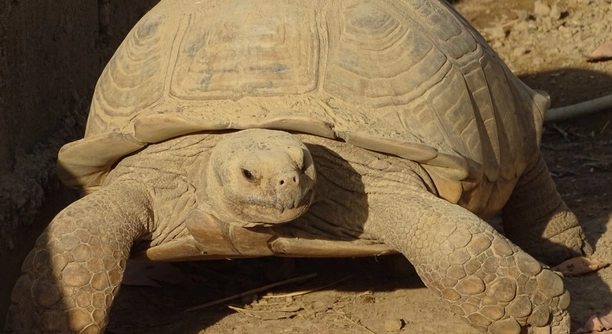
Sulcata tortoises are fascinating creatures, known for their impressive size and gentle nature. If you have one, it’s important to understand when your tortoise might be preparing to lay eggs. Recognizing these signs can help ensure her well-being during this process.
A female Sulcata tortoise typically shows signs of preparing to lay eggs through behaviors like increased digging, pacing, and seeking out a suitable spot. Her abdomen may become slightly swollen, and she may appear restless or agitated.
Knowing what to watch for is key to providing the proper care for your tortoise. Understanding her behavior and physical changes can make the egg-laying process easier for both of you.
Common Signs Your Sulcata Tortoise Is About to Lay Eggs
Before your Sulcata tortoise lays her eggs, there are a few behaviors you’ll notice. She may start pacing more than usual, looking for a safe and comfortable place to dig. Her digging behavior might increase, and she may dig in various spots, seemingly unable to settle. This is a clear indicator that she’s preparing to lay eggs. Additionally, her body might show physical signs of egg development. Her abdomen can become slightly swollen as the eggs grow inside her, and she may seem more restless. You’ll also notice she becomes more focused on finding the right nesting area.
These behaviors are natural and part of the reproductive cycle.
It’s important to provide her with an appropriate nesting spot. A shallow container with moist soil or sand works best. Make sure the area is private and calm for her to lay the eggs without disturbance.
How to Provide the Best Nesting Area
Creating a safe and quiet space is crucial for your tortoise during egg-laying. It should be somewhere she can feel comfortable, away from any stress or distractions. Choose a spot that’s warm, as Sulcatas like a cozy temperature. Make sure she has access to fresh water as well.
To ensure she has the best chance to lay her eggs safely, you can provide her with a shallow box filled with moist soil or sand. The moist soil helps mimic the conditions she would naturally seek out in the wild. It should be soft enough for her to dig, but deep enough for her to bury the eggs. Keep the area clean and undisturbed. If you can, place the nesting area somewhere quiet where she won’t be disturbed by other animals or household noise.
Once she starts digging, resist the urge to interfere. Let her do her natural behavior. If all goes well, she will eventually lay her eggs and cover them, after which you can monitor her for any signs of discomfort.
How to Tell When She’s Ready to Lay Eggs
When your Sulcata tortoise is getting ready to lay eggs, her behavior will shift. You’ll notice that she may start pacing more frequently, looking for a safe place to lay her eggs. She might seem anxious and move around her enclosure more than usual.
This increased activity is often coupled with digging. She may dig in several areas before deciding on a final spot. Don’t be surprised if she shows a preference for specific types of soil or sand. The digging serves to create a proper nesting site for her eggs.
As she prepares to lay, her abdomen may appear slightly swollen, indicating the presence of eggs. This change can be subtle, but you might notice a slightly rounder shape. Over time, the physical changes and increased behavior patterns will be more evident.
Monitoring Her Health During Egg Laying
It’s important to observe your tortoise during the egg-laying process. If she’s having trouble finding a suitable spot or seems overly stressed, step in to help create a calm environment for her.
Monitor her for signs of distress. If she’s pacing excessively, it could mean she’s struggling to find a good spot. Make sure she’s in a quiet, private place where she can dig and lay eggs comfortably. If she seems unable to lay, it may indicate a problem, and a vet check-up would be advisable.
Stress can also affect her health, so avoid handling her too much. Ensure the nesting area remains undisturbed. A calm and peaceful environment will help her successfully lay her eggs and recover afterward.
Post-Laying Behavior to Watch For
After your Sulcata tortoise lays her eggs, she may appear tired or less active. This is normal as egg-laying takes energy. You might notice her covering the eggs with soil, which is part of her natural instinct.
Once the eggs are laid, your tortoise will typically cover the nest carefully. She might take a moment to rest or move away from the area. If she seems particularly fatigued, give her time to recover in a quiet, undisturbed space.
Allow her some time to recover from the effort. She may resume her normal activities once she feels rested, though she may remain more inactive for a while.
Caring for the Eggs
Once your tortoise has laid her eggs, it’s important to ensure that they’re in a safe, warm environment. If you want to incubate them, carefully transfer them to a suitable incubator. Make sure the temperature and humidity levels are correct for successful hatching.
Carefully place the eggs in an incubator with the right settings for Sulcata tortoises. The incubation period is crucial, and maintaining the right temperature and humidity will determine the eggs’ development. Avoid disturbing them, as this could interfere with their hatching.
Handling the Tortoise After Egg Laying
After your tortoise lays eggs, avoid picking her up unnecessarily. She needs time to regain her strength, and too much handling can cause stress. Let her settle back into a comfortable environment.
Give her space to recover from laying the eggs. Keep her enclosure quiet, with easy access to water and food. Over time, she will start to become more active again once she’s had the proper rest.
FAQ
How do I know if my Sulcata tortoise is pregnant?
It’s important to recognize the signs of pregnancy in Sulcata tortoises. A pregnant tortoise may show changes in her behavior, such as increased digging and pacing. You’ll also notice that her abdomen may become slightly swollen as the eggs develop inside. Keep an eye on her behavior and physical changes for the best indication of pregnancy.
How long does it take for a Sulcata tortoise to lay eggs after mating?
Once mating has occurred, it can take several months for the eggs to develop and be ready for laying. Generally, female Sulcata tortoises will lay eggs around 2 to 4 months after mating. The exact timing depends on the individual tortoise and environmental factors, including temperature and diet. During this time, she may exhibit changes in behavior, such as digging, looking for a nesting site, and pacing.
Can a Sulcata tortoise lay eggs without mating?
Yes, female Sulcata tortoises can lay eggs without mating. This is known as “infertile egg-laying.” Even without the presence of a male tortoise, a female may still go through the egg-laying process. However, these eggs will not be fertilized and will not hatch. It’s a natural behavior in female tortoises, and it occurs whether or not mating takes place.
How often do Sulcata tortoises lay eggs?
Sulcata tortoises typically lay eggs once or twice a year. The frequency may vary depending on the tortoise’s age, health, and environmental conditions. When a female tortoise reaches maturity, she may begin laying eggs in a regular cycle. After laying a clutch of eggs, she may not lay again for several months.
What should I do if my tortoise seems to be having trouble laying eggs?
If your Sulcata tortoise is struggling to lay eggs, it’s essential to provide a suitable nesting area and create a calm, private environment for her. If she’s showing signs of distress, such as excessive digging or pacing, she may need help finding a proper spot. In some cases, a vet may need to intervene, especially if there’s an issue with egg retention or the tortoise is unable to pass the eggs.
How long does it take for Sulcata tortoise eggs to hatch?
Sulcata tortoise eggs typically take about 8 to 12 weeks to hatch, depending on the temperature and humidity conditions during incubation. Warmer temperatures tend to speed up the incubation process, while cooler conditions may cause it to take longer. Be sure to maintain stable conditions in the incubator to ensure the best chance for hatching.
Should I remove the eggs after my Sulcata tortoise lays them?
It’s not necessary to remove the eggs immediately after your tortoise lays them, but if you plan on incubating them, it’s essential to handle them carefully. Gently move the eggs to an incubator to maintain the proper temperature and humidity for hatching. Ensure that you do not rotate or disturb the eggs too much, as this can affect their development.
Can I breed my Sulcata tortoise in captivity?
Yes, you can breed Sulcata tortoises in captivity, but it requires a proper environment. Both the male and female should have enough space to move freely, and their enclosures must meet their temperature, humidity, and dietary needs. Make sure the tortoises are mature enough for breeding, and provide them with opportunities for natural behaviors, such as digging and nesting. It’s important to note that breeding should be done responsibly, with consideration for the well-being of the animals.
What temperature and humidity do I need for Sulcata tortoise eggs?
Sulcata tortoise eggs need to be kept in an incubator with specific temperature and humidity levels for successful hatching. The ideal temperature for incubating the eggs is between 88°F and 92°F (31°C to 33°C). The humidity should be kept around 70% to 80%. Maintaining these conditions is crucial for the proper development of the eggs.
Can I help my Sulcata tortoise if she is having trouble finding a nesting site?
Yes, if your Sulcata tortoise is having difficulty finding a suitable nesting site, you can help by providing a designated area with appropriate nesting materials. A shallow box filled with moist sand or soil works well for creating a nesting area. Ensure the location is quiet and free from disturbances so your tortoise can lay her eggs in peace.
Final Thoughts
Understanding the behavior of your Sulcata tortoise during the egg-laying process can help ensure her well-being. Watching for signs like pacing, increased digging, and changes in her abdomen can help you recognize when she’s about to lay eggs. It’s important to create a calm and quiet environment for her to nest in. By providing the right conditions, you can make the process easier for both you and your tortoise.
Caring for the eggs is another essential part of the process. Whether you decide to incubate the eggs or leave them with the tortoise, it’s important to keep track of temperature and humidity levels. If you’re incubating them, make sure the conditions are right for successful hatching. Always handle the eggs gently to avoid disturbing them, and give your tortoise the privacy she needs during the egg-laying process. Taking these simple steps will give your tortoise the best chance of a smooth experience.
Remember that patience and observation are key when it comes to your tortoise’s egg-laying behavior. Each tortoise is different, so while some may lay eggs with no problems, others might need extra attention. Whether she lays infertile eggs or successfully hatches a new generation of tortoises, ensuring that she is well cared for during the entire process is essential. This not only helps the health of your tortoise but also gives you a deeper understanding of her natural behavior and needs.

Hello,
If you enjoy the content that we create, please consider saying a "Thank You!" by leaving a tip.
Every little bit helps us continue crafting quality advice that supports the health, happiness, and well-being of pets around the world, for pets of all shapes, sizes, and species.
We really appreciate the kindness and support that you show us!