
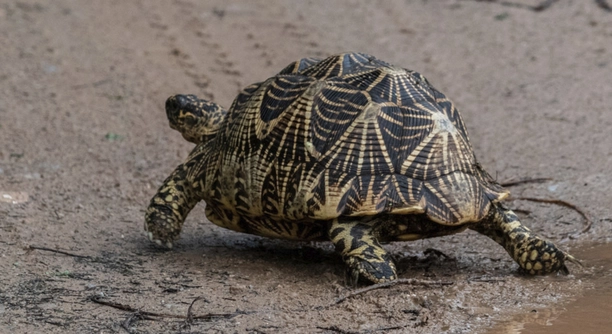
A star tortoise’s pregnancy can be a fascinating and unique experience to witness. Knowing the signs can help you better care for her during this special time. Understanding how to spot pregnancy in your tortoise is essential for her well-being.
The key to identifying pregnancy in a star tortoise involves noticing changes in behavior, physical appearance, and activity levels. These signs include increased food intake, restlessness, a noticeable increase in size, and even changes in the shape of the shell.
Recognizing these signs early will ensure you provide the best care for your pregnant tortoise. Understanding her needs during this period is crucial for her health and comfort.
How to Tell If Your Star Tortoise Is Pregnant
Pregnancy in a star tortoise is not always obvious, but with a few careful observations, you can tell if she’s expecting. One of the first signs is an increase in appetite. A pregnant tortoise will often eat more than usual as her body prepares to support the developing eggs. This extra food intake is vital for her health and the development of the eggs inside.
Another sign to look for is a change in her behavior. Pregnant tortoises tend to become more restless, particularly as they approach the time to lay eggs. She may pace around her enclosure or show signs of searching for a suitable nesting site. Keep an eye on these behaviors to spot pregnancy early on.
Additionally, you might notice physical changes, like an increase in size and weight. As the eggs develop, the tortoise’s body will naturally expand. This will make her look rounder, particularly around the belly and rear. These changes can sometimes be subtle but are clear signs of pregnancy. Watch for these signs to know if your star tortoise is expecting.
Changes in Shell Shape and Movement
Shell shape and movement are also key indicators. Pregnant tortoises may exhibit subtle differences in the shape of their shells. You might notice the sides of the shell becoming more pronounced, especially in the abdominal region. The expanded abdomen is often a result of the developing eggs, and this can cause a slight change in how the shell sits.
Another sign of pregnancy is that your tortoise may seem less mobile. This decrease in activity is typically a result of the extra weight and the growing eggs. If your tortoise is usually active and playful but suddenly appears sluggish or avoids moving around as much, it could be a sign of pregnancy. Keep an eye on any changes in movement to ensure she is comfortable.
Behavioral and Environmental Factors
Behavioral changes can become more noticeable as pregnancy progresses. As your star tortoise nears the time to lay her eggs, she will likely become more focused on her surroundings. She may begin digging or searching for a place to lay the eggs. This is a natural instinct, and it’s important to offer her a proper nesting area in her enclosure. Make sure the environment is safe, with a soft substrate where she can dig comfortably. Offering these options will help her feel secure and prepared for the egg-laying process.
You may also notice some changes in her eating habits. While some pregnant tortoises eat more, others may eat less due to the physical changes in their bodies. In any case, make sure she has access to fresh food and clean water at all times. Monitoring her environment and keeping a close eye on any shifts in behavior will ensure a smooth experience for her.
Increased Water Intake
During pregnancy, your star tortoise may drink more water than usual. This is because her body is working harder to support the eggs, and hydration is essential. Keep a clean water dish available at all times and check for signs of dehydration. If she’s drinking regularly, it’s a positive sign of her well-being.
It’s important to offer fresh water consistently. Pregnant tortoises need more fluids to maintain their energy levels and ensure proper egg development. If you notice her drinking more often, it could be a result of her growing physical demands. Make sure she has a shallow, easy-to-access water dish, and avoid any standing water that could make her feel uncomfortable.
If her water intake increases drastically or decreases significantly, monitor her behavior closely. This could be a sign of other health issues unrelated to pregnancy. Maintaining a consistent hydration routine is vital, so don’t neglect this aspect of her care.
Nesting Behavior
As your star tortoise nears the time to lay her eggs, you’ll notice her instinctively searching for a place to nest. This behavior is completely natural and should be encouraged. Provide a nesting box with soft, loose substrate like soil or sand. She may dig in the box to create a secure area for laying her eggs. Watch for signs that she’s actively digging, as this indicates she’s ready to lay.
The nesting area should be spacious and comfortable, allowing her to move around freely. Ensure the temperature and humidity levels in her enclosure are appropriate, as this will influence her behavior. If she can’t find a suitable place, she might become stressed, which could affect the laying process.
A good nesting environment also reduces the risk of egg binding, a condition where the tortoise has trouble passing the eggs. Make sure the substrate is deep enough for her to dig comfortably. Providing a safe, private space will give your star tortoise the best chance for a smooth and successful egg-laying experience.
Physical Changes in Size and Shape
As your star tortoise’s pregnancy progresses, her body will begin to change. The most noticeable change is an increase in size, particularly around her abdomen. Her body will expand to accommodate the developing eggs, which is a clear sign that she is pregnant.
This increase in size can sometimes make her look rounder and slightly heavier. While this change may be subtle at first, it becomes more evident as the eggs grow. You may also notice that her shell appears to have a slight bulge around the midsection. These physical changes are completely normal.
Changes in Activity Level
Pregnant star tortoises often experience changes in activity levels. As she gets closer to laying eggs, you might notice her becoming less active. This is due to the extra weight and the physical strain of carrying the eggs.
Some tortoises may also show signs of being more lethargic. This could be due to the energy being directed toward egg development rather than normal movement. If your tortoise seems to spend more time resting than usual, this could be an indicator that she is pregnant. Keep an eye on any shifts in her routine.
Egg-Laying Behavior
When it’s time to lay her eggs, your star tortoise will begin to show distinct signs. She will often exhibit restlessness, looking for a quiet, secure place to dig. This is a natural part of the egg-laying process. It’s crucial to provide her with a suitable nesting area so she can lay her eggs safely.
Make sure her nesting box is deep enough for her to dig and comfortable enough for her to feel secure. If she seems agitated or unable to find a proper place to nest, she may need more time or assistance. Watch for these behaviors closely to ensure a smooth egg-laying experience.
FAQ
How do I know if my star tortoise is pregnant?
There are a few clear signs to look for when determining if your star tortoise is pregnant. One of the most obvious signs is an increase in size, particularly in the abdomen. Her belly will appear more rounded and may feel firmer as the eggs develop. Additionally, you may notice changes in behavior, such as increased appetite and restlessness. She may also become more sluggish, especially as the pregnancy progresses. Another indicator is that she will search for a nesting area to dig in, preparing to lay the eggs.
When will my star tortoise lay her eggs?
Star tortoises usually lay their eggs after a few weeks of pregnancy. This period can vary, but most star tortoises will lay eggs about 60 to 90 days after mating. The exact timing can depend on several factors, such as age, health, and environmental conditions. Some tortoises may show signs of impending egg-laying, like digging and increased restlessness, which can help you prepare for the event. Providing a proper nesting environment will encourage her to lay the eggs when she’s ready.
How long is a star tortoise’s pregnancy?
The length of a star tortoise’s pregnancy generally lasts between 60 to 90 days. The duration can vary depending on the individual tortoise, her health, and her environment. Factors like temperature and diet can also impact how long the pregnancy lasts. During this time, your tortoise’s body will gradually change as the eggs develop inside her, and she may show signs of restlessness and increased appetite.
What should I feed my pregnant star tortoise?
While your star tortoise is pregnant, it’s important to provide her with a balanced, nutritious diet to support the development of the eggs. Offer a variety of leafy greens, such as dandelion greens, collard greens, and mustard greens. You can also provide some fruits and vegetables, like bell peppers and squash, but limit them to avoid too much sugar. Ensure she has access to calcium, as this is vital for shell development. A calcium supplement, such as cuttlebone, is a good idea. Always provide fresh water as hydration is key during pregnancy.
Should I handle my pregnant star tortoise?
It’s best to limit handling your pregnant star tortoise as much as possible. Pregnancy can be physically demanding, and extra stress may impact her health and well-being. Avoid picking her up frequently, especially as she gets closer to laying her eggs. If handling is necessary for her care, do it gently and briefly. Allow her to move at her own pace, and provide a calm, secure environment to minimize any stress during this sensitive time.
What can I do to help my star tortoise during her pregnancy?
To help your star tortoise during her pregnancy, ensure she has a proper diet, fresh water, and a safe, comfortable environment. Provide her with a suitable nesting area where she can dig and lay her eggs without disruption. A deep nesting box with soft soil or sand is ideal for this purpose. Keep the temperature and humidity levels in her enclosure consistent to ensure she stays healthy. Monitor her closely for any signs of distress or complications, such as difficulty laying eggs. Make sure she has a calm, secure space to rest during this period.
How can I tell if my star tortoise is having trouble laying eggs?
If your star tortoise is having trouble laying her eggs, she may show signs of distress, such as excessive digging, restlessness, or inability to pass the eggs. This is known as egg binding, and it can be dangerous if not addressed quickly. Other signs of trouble may include straining or leaving behind unshelled eggs. If you notice any of these symptoms, it’s important to consult a veterinarian who specializes in reptiles. Providing a proper nesting area with soft, deep substrate can help prevent egg binding by giving her the right space to lay her eggs.
Can a star tortoise lay eggs without mating?
Yes, a star tortoise can lay eggs without mating. Female tortoises are capable of producing eggs even if they haven’t been fertilized. This process is known as laying infertile eggs. While the eggs won’t hatch, the tortoise will still go through the motions of nesting, digging, and laying. If you notice her laying eggs without a male in the enclosure, it’s likely that the eggs are infertile. However, the same signs of pregnancy, such as increased appetite and behavior changes, can be seen whether the eggs are fertilized or not.
What should I do if my star tortoise stops eating during pregnancy?
If your star tortoise stops eating during pregnancy, it may be a sign of stress or discomfort. However, it’s not uncommon for pregnant tortoises to eat less as they near the time to lay their eggs. If she’s still drinking water and seems active, it may not be a cause for concern. If she refuses to eat for an extended period or shows signs of illness, such as lethargy or excessive weight loss, you should consult a veterinarian. Ensuring she has a comfortable environment, proper nutrition, and minimal stress is key during pregnancy.
Final Thoughts
Understanding the signs of pregnancy in your star tortoise is important for her well-being. By recognizing changes in size, behavior, and physical signs, you can ensure that she receives the care she needs during this time. A pregnant tortoise may show signs such as a larger abdomen, less movement, and increased need for rest. She might also become more interested in digging as she prepares to lay her eggs. Knowing these signs will help you create a better environment for her during this period.
Providing proper care during your tortoise’s pregnancy is essential for both her health and the successful laying of eggs. A proper diet, fresh water, and a suitable nesting area are key factors in supporting her. Ensure she has access to leafy greens, calcium, and a variety of fresh vegetables to help her stay strong. Additionally, offering a deep, soft nesting area will give her the space she needs to lay her eggs comfortably. If any issues arise, such as difficulty laying eggs or noticeable distress, it’s crucial to seek veterinary assistance.
Remember that every star tortoise is unique, and pregnancy can vary from one individual to another. The most important thing is to stay observant and create a safe, calm space for her. If you notice unusual behavior, such as a refusal to eat or excessive lethargy, consult a veterinarian. With the right care, you can help ensure a smooth pregnancy and egg-laying process for your star tortoise.

Hello,
If you enjoy the content that we create, please consider saying a "Thank You!" by leaving a tip.
Every little bit helps us continue crafting quality advice that supports the health, happiness, and well-being of pets around the world, for pets of all shapes, sizes, and species.
We really appreciate the kindness and support that you show us!