
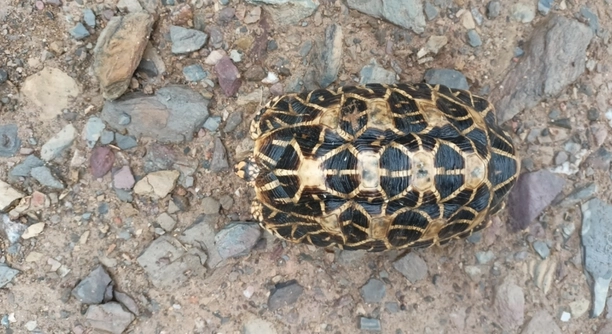
If your star tortoise has developed the habit of burying itself, it can be puzzling. Understanding the reasons behind this behavior is key to keeping your pet healthy and comfortable. Several factors contribute to this natural instinct.
The main reasons why your star tortoise keeps burying itself include environmental stress, temperature fluctuations, or the need for protection. It could also indicate that the tortoise is in search of food, a mate, or feeling threatened.
Understanding these reasons can help you create a better habitat and improve your tortoise’s well-being.
Stress and Anxiety
Tortoises can often bury themselves as a response to stress. Changes in their environment, such as moving to a new home or loud noises, can cause discomfort. They may also react to a lack of space or interaction, making them feel unsafe. Stress can lead to unhealthy behaviors, such as burrowing into their enclosure to find a sense of calm. It’s important to ensure that the environment is stable, peaceful, and large enough for your pet to move freely. Providing plenty of hiding spots or shelters within their habitat can help them feel secure.
Creating a stable habitat with minimal disturbances can reduce your star tortoise’s anxiety and encourage healthier behavior.
A stable environment is crucial in preventing stress. Star tortoises need a consistent temperature, humidity, and light cycle to thrive. If these factors are off, your tortoise may dig into the substrate to find a more comfortable spot. They are highly sensitive to their surroundings, and even minor changes can lead them to seek cover. To avoid this, keep the enclosure in a quiet area away from heavy foot traffic or sudden disturbances. By maintaining a calm and controlled environment, you reduce the likelihood of your tortoise burying itself out of fear or anxiety.
Temperature and Humidity
Temperature and humidity play a significant role in your star tortoise’s behavior. If the temperature in the enclosure is too low or too high, your tortoise might bury itself to escape uncomfortable conditions. Tortoises often dig into the substrate to regulate their body temperature or to find a cooler, moister area when they feel too hot or dry. Maintaining the proper environmental conditions, with a basking area and cooler zones, can prevent this behavior. Ensuring consistent humidity levels also plays a role in their comfort.
Your tortoise may bury itself to escape unsuitable temperature or humidity levels.
To help maintain proper temperature and humidity, invest in a thermometer and hygrometer to monitor the enclosure’s conditions. Make sure your star tortoise has access to a warm basking area with a temperature between 85-90°F, and a cooler area ranging from 75-80°F. Humidity levels should remain around 50-60%. If the humidity is too low, your tortoise may dig into the substrate to find a more comfortable spot. Providing a consistent environment, with regulated temperatures and humidity, ensures your star tortoise stays healthy and comfortable, reducing the likelihood of excessive burrowing.
Protection and Safety
Your star tortoise may bury itself as a way to protect itself from potential threats. In the wild, burrowing is a defense mechanism against predators. The same instinct may be triggered in captivity, especially if your tortoise feels unsafe. If there are other pets or disturbances in the house, it might dig to hide and feel secure.
Creating a safe space within the enclosure can help prevent this behavior. Providing hiding spots, like caves or tunnels, allows your tortoise to feel secure and reduces the need to bury itself. Avoid placing the enclosure in areas with loud noises or high traffic, as these can cause stress. A comfortable and protected environment will reduce your tortoise’s instinct to burrow for safety.
For added security, consider covering the sides of the enclosure with opaque materials to block out external distractions. By giving your tortoise a private space and a sense of safety, it will feel less inclined to bury itself in response to perceived danger.
Natural Behavior
Burrowing is a natural behavior for star tortoises. In the wild, they dig to regulate temperature and humidity, as well as to find food. This instinct can be observed in captivity as well, as they mimic these actions to create a comfortable environment.
Allowing your tortoise to burrow occasionally is normal and should not be a cause for concern. Ensure that the substrate is suitable for digging, such as loose soil or coconut fiber, so your tortoise can fulfill this instinct safely. In some cases, tortoises may also bury themselves to sleep, especially during the night.
Feeding Habits
If your star tortoise is burying itself frequently, it may be related to hunger. In the wild, they sometimes dig to uncover food sources. If your tortoise is not receiving a balanced diet or enough food, it may start to search for more.
Check your tortoise’s diet and ensure it’s getting the proper nutrients, such as leafy greens, vegetables, and occasional fruits. Star tortoises are herbivores and need a high-fiber diet for good health. You may also want to provide a larger feeding area so your tortoise doesn’t feel the need to “dig” for food.
FAQ
Why does my star tortoise bury itself so often?
Star tortoises may bury themselves due to stress, temperature discomfort, or the natural instinct to seek safety. This behavior helps them regulate body temperature, hide from potential threats, or create a more comfortable environment. It’s important to evaluate their habitat for any changes, ensuring it is quiet, stable, and properly regulated for temperature and humidity.
Is it normal for my star tortoise to bury itself during the day?
Yes, it is normal for star tortoises to bury themselves during the day. They may seek a comfortable, cooler spot or regulate their body temperature. Burrowing can also happen during feeding times, as they may feel the need to search for food or hide after eating. As long as your tortoise is eating and drinking regularly, this behavior is typically harmless.
How can I stop my star tortoise from burying itself?
If your star tortoise is burying itself frequently, consider adjusting the environment. Ensure there are enough hiding spots, a proper temperature range, and a consistent humidity level. Additionally, avoid sudden changes in the enclosure or loud noises that might stress your tortoise. Proper nutrition and sufficient space will help as well.
Should I be worried if my star tortoise keeps burying itself?
Burying itself is usually not a sign of a serious issue. However, if your tortoise is not eating, drinking, or behaving unusually, it might indicate stress or health problems. Always monitor for other signs, like lethargy or changes in activity levels. Consult a veterinarian if the behavior continues and you are concerned.
How deep should my star tortoise’s bedding be for burrowing?
Your star tortoise’s bedding should be deep enough for it to dig comfortably. About 3-4 inches of substrate is ideal. Make sure the bedding is loose enough for burrowing and can hold moisture, such as coconut fiber or soil. Too shallow of bedding might not allow for proper burrowing behavior.
Can I use sand as bedding for my star tortoise?
While sand can be used for a part of your tortoise’s bedding, it’s not ideal on its own. Sand alone can dry out quickly, making it difficult for your tortoise to regulate its humidity. It’s better to use a combination of sand and soil or coconut fiber for better moisture retention and comfort.
How can I tell if my star tortoise is burying itself out of stress?
If your star tortoise is burying itself out of stress, you may notice other signs, such as rapid breathing, avoidance of food, or lethargy. Stressful factors like loud noises, other animals, or a recent change in its environment can cause such behavior. A stressed tortoise may also display signs of aggression or restlessness when it is not buried.
Can I try to stop my star tortoise from burying itself?
It’s best not to interfere with your star tortoise’s natural behaviors unless you believe there is an underlying issue. If the burrowing seems excessive or abnormal, consider checking the habitat’s conditions. However, if it’s simply a way for your tortoise to find comfort or rest, it’s generally not a concern.
What type of lighting is best to prevent my star tortoise from burying itself?
Proper lighting can help prevent your tortoise from seeking to bury itself as a way to regulate temperature. Provide UVB lighting for about 10-12 hours a day. This not only helps with calcium absorption but also aids in keeping the tortoise active during the day. Make sure the basking area is warm enough for comfort and avoid placing it in areas with inconsistent lighting.
Is my star tortoise getting enough water if it keeps burying itself?
Burrowing does not directly indicate that your star tortoise is thirsty, but hydration is important for overall health. Ensure that clean water is always available in the enclosure. If your tortoise is burrowing excessively, it might be a sign that the environment is too dry. Increase humidity levels to ensure your tortoise is comfortable. Dehydration can lead to lethargy and health problems.
How do I know if my star tortoise is healthy if it keeps burying itself?
Keep an eye on other behaviors, such as eating, drinking, and activity levels. If your star tortoise is burying itself but still eating well and showing normal activity, it’s likely just part of its natural behavior. However, if it shows signs of weight loss, lack of appetite, or lethargy, consult a veterinarian to rule out health issues.
What should I do if my star tortoise refuses to eat and keeps burying itself?
If your star tortoise is refusing to eat and burrowing frequently, it could be a sign of stress, health problems, or environmental issues. Check if the enclosure has proper lighting, temperature, and humidity levels. If these factors are all in place and your tortoise is still not eating, contact a veterinarian for further advice.
Final Thoughts
Understanding why your star tortoise buries itself is essential in providing a comfortable and healthy environment. Burrowing is a natural instinct for star tortoises, and it can be a sign of their effort to regulate temperature, find safety, or mimic natural behavior. While occasional burrowing is normal, it’s important to observe your tortoise’s overall behavior to ensure it’s not a sign of stress or health problems. If your tortoise is eating, drinking, and staying active while burying itself, it is likely just fulfilling its instincts. However, if other issues such as lethargy or lack of appetite arise, there could be an underlying problem that needs to be addressed.
Your star tortoise’s environment plays a big role in this behavior. Factors such as temperature, humidity, lighting, and noise levels can influence how often it buries itself. Ensuring that the habitat is quiet, safe, and stable will help reduce unnecessary stress. It’s also important to provide suitable bedding that allows for comfortable burrowing, such as coconut fiber or soil. Offering hiding spots or caves within the enclosure can give your tortoise a sense of security and minimize its need to dig. These adjustments can lead to a more peaceful, balanced lifestyle for your tortoise.
While burrowing is typically not a cause for concern, it’s always important to monitor your pet’s overall health. Regularly check for signs of distress, such as lack of eating, dehydration, or changes in activity levels. If you notice any unusual behavior, consulting a veterinarian can help address any potential issues early. By maintaining a stable, comfortable environment and observing your tortoise closely, you can ensure that it remains happy and healthy. Understanding and supporting your star tortoise’s natural behaviors will go a long way in fostering its well-being.

Hello,
If you enjoy the content that we create, please consider saying a "Thank You!" by leaving a tip.
Every little bit helps us continue crafting quality advice that supports the health, happiness, and well-being of pets around the world, for pets of all shapes, sizes, and species.
We really appreciate the kindness and support that you show us!