
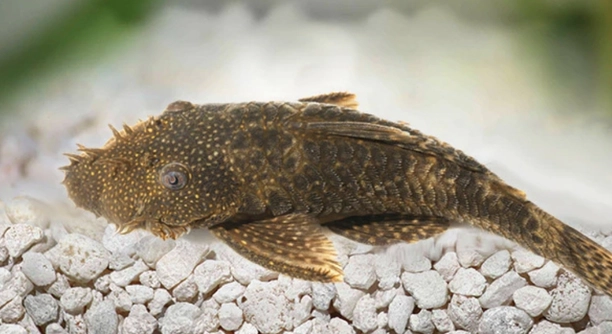
Are your plecos looking thinner than usual or acting differently in the tank? Many owners overlook subtle changes that may indicate their fish are not getting enough nutrition. Recognizing early signs is key to their health.
Starvation in plecos can manifest through changes in behavior, appearance, and activity levels. Common indicators include weight loss, pale coloring, decreased algae consumption, lethargy, fin deterioration, and abnormal swimming patterns. Prompt identification allows for timely dietary adjustments.
Understanding these warning signs will help you maintain a healthier aquarium environment and prevent long-term complications for your pleco’s well-being. Observing carefully ensures your fish thrive in their habitat.
Sudden Weight Loss
A healthy pleco maintains a firm body and consistent size. When starvation begins, their body starts to shrink, and bones may become more prominent. You may notice a thinner tail or a sunken belly. Weight loss often happens gradually, so close observation over weeks is necessary. Changes can be subtle at first, such as a slight reduction in girth or weaker movements during feeding time. Stress and poor water quality can worsen the problem, causing the pleco to burn stored energy faster. Monitoring tank conditions alongside diet is essential. Uneaten food or irregular feeding schedules can contribute to nutritional deficits. Adult plecos require a balance of plant-based and protein-rich foods. Juvenile plecos need more frequent feedings to support growth. A lack of variety in the diet may appear harmless but can trigger deficiencies over time. Acting early helps restore their health and prevents irreversible damage to organs or fins.
Weight loss in plecos is a clear indicator of inadequate nutrition and should never be ignored.
Regular weighing and careful observation help maintain your pleco’s weight and ensure balanced feeding, preventing starvation before it becomes severe.
Decreased Activity
A pleco that is starving often becomes less active and spends more time hiding. Swimming slows, and they may cling to surfaces for long periods. Movement during feeding may be sluggish, and previously playful behavior disappears. Lethargy is a response to low energy reserves, as the body conserves calories. This behavior may also signal underlying stressors, such as poor water quality or overcrowding, which exacerbate energy loss. Some plecos might still eat when offered food but retreat quickly afterward, indicating fatigue rather than lack of appetite.
Reduced activity can affect health long-term, making the fish more susceptible to disease and fin deterioration. Feeding adjustments alone may not be sufficient. Environmental enrichment, proper tank conditions, and regular monitoring are crucial to restoring vitality. Observing patterns over several days provides a clear picture of your pleco’s energy levels and helps determine whether dietary changes or medical attention is necessary. Consistent activity indicates recovery, while persistent lethargy signals the need for more intervention. Providing a balanced diet with high-quality foods supports energy recovery, allowing the pleco to regain strength, engage with the environment, and maintain healthy behavior patterns. Proper care ensures the fish can thrive, avoiding further complications from starvation and inactivity.
Pale Coloring
Pale or faded coloration is a common sign of a pleco not getting enough nutrients. Healthy plecos usually display rich, dark patterns. When their diet is insufficient, colors dull, and spots may appear lighter than usual.
Nutritional deficiencies affect pigmentation because plecos need certain vitamins and minerals to maintain their natural color. A lack of carotenoids and other pigments can result in grayish or washed-out patterns. Pale coloring is often accompanied by weaker activity, showing that the fish is under stress. Regularly checking the color of your pleco can help detect early signs of starvation before more serious health issues appear. Adjusting the diet to include algae wafers, fresh vegetables, and protein sources can improve coloration and overall vitality. Observation over several weeks helps track recovery.
In addition to diet, water quality influences coloring. High ammonia or nitrate levels can stress plecos and worsen paleness. Maintaining stable tank parameters, proper filtration, and consistent feeding routines supports pigment restoration and energy levels. Combining good nutrition with optimal tank care allows your pleco to regain vibrancy and strength naturally.
Fin Deterioration
Fin deterioration often occurs when plecos are undernourished. Edges may fray, and fins can appear thinner or damaged. Starving fish have less energy for natural repair and growth.
Over time, fins may become ragged, split, or even develop small holes. Malnutrition weakens immune responses, making the pleco more prone to infections that worsen fin health. Lack of protein and essential fatty acids slows tissue regeneration, which normally keeps fins intact. Environmental stressors like poor water quality or aggressive tank mates can accelerate fin damage. Observing fin condition regularly can help detect issues early, allowing dietary adjustments before serious health complications arise. Providing high-quality foods and supplements can support fin repair while addressing underlying nutritional gaps.
Repairing damaged fins requires patience and consistent care. Feeding a varied diet, maintaining clean water, and reducing stressors help the pleco recover. Tracking fin improvement and adjusting feeding strategies ensures stronger, healthier fins over time, preventing further deterioration. Combining nutrition and tank maintenance promotes overall well-being and resilience against future issues.
Loss of Appetite
A starving pleco may ignore food it once eagerly ate. Even favorite treats like algae wafers or vegetables may go untouched.
Loss of appetite often signals low energy or internal stress. Monitoring feeding patterns helps identify this early. Adjusting diet with fresh, varied foods can encourage eating.
Visible Bones
Starvation causes internal fat and muscle to deplete, making bones more noticeable. Ridges along the back and near the head become prominent. Plecos losing weight quickly show sharper contours, and their normally rounded body becomes angular. Observing skeletal structure during feeding or resting periods can indicate nutritional deficiencies. Correcting the diet promptly is essential to prevent further deterioration. Including protein-rich foods and high-quality vegetables supports tissue rebuilding and restores body mass. Consistent feeding schedules combined with proper tank conditions ensures bones are less visible and overall health improves.
Abnormal Swimming
Starving plecos may swim erratically, drift more, or cling to surfaces unusually.
Hiding More Than Usual
Increased hiding often accompanies low energy. Plecos may retreat to corners or under decorations for longer periods than normal.
FAQ
How often should I feed my pleco to prevent starvation?
Plecos need regular, consistent feeding. Juveniles require daily meals, while adults can be fed once every one or two days. Including a mix of algae wafers, vegetables like zucchini or cucumber, and occasional protein sources keeps them healthy. Skipping meals regularly can lead to weight loss and weakened immunity, so observing eating patterns is crucial.
What foods help a starving pleco regain strength quickly?
A varied diet is key. Algae wafers, blanched vegetables, and high-quality sinking pellets provide essential nutrients. Occasional protein sources like shrimp or bloodworms can help rebuild muscle. Avoid overfeeding, as it can harm water quality and stress the fish further. Gradual dietary improvement allows the pleco to recover without digestive upset.
Can water quality affect a pleco’s appetite?
Yes. Poor water conditions can reduce appetite and energy. High ammonia, nitrite, or nitrate levels stress plecos and worsen nutritional deficiencies. Regular water testing, partial water changes, and proper filtration are necessary. Clean, stable conditions help them eat more consistently and recover faster from starvation.
How long does it take for a starving pleco to recover?
Recovery depends on the severity of weight loss and malnutrition. Mild cases may improve within a few weeks with proper feeding and tank care. Severe starvation could take several months to regain full strength and restore coloration. Patience and consistent observation are essential.
Is it normal for a pleco to hide more when stressed or underfed?
Yes. Starving plecos often hide longer than usual to conserve energy. Providing hiding spots while maintaining visibility for observation helps monitor health without causing extra stress. Reducing stressors like aggressive tank mates also supports recovery.
Can fin deterioration be reversed?
Partially. Minor fraying or thinning can improve with improved nutrition, clean water, and reduced stress. Severe damage may require more time to heal, and some tissue loss could be permanent. Consistent care is critical for visible improvement.
Should I supplement my pleco’s diet with vitamins?
Vitamin supplements can help, especially if their diet is limited or if malnutrition is severe. Powdered or liquid supplements designed for fish can be added to food. Use sparingly and follow guidelines to avoid overdosing, which can harm the pleco or water quality.
How can I tell if my pleco is eating enough?
Monitor body shape, activity, and the amount of leftover food. Healthy plecos maintain a rounded belly and show interest in feeding. Regular observation of behavior and weight helps detect early signs of underfeeding before serious health issues arise.
Can other fish in the tank affect my pleco’s food intake?
Yes. Aggressive or fast-moving tank mates may outcompete a pleco for food. Providing feeding zones or isolated feeding times ensures the pleco gets adequate nutrition. Observing interactions during feeding can prevent long-term deficiencies.
What steps should I take immediately if I notice starvation signs?
Adjust the diet to include high-quality, nutrient-rich foods. Check water parameters for stability and cleanliness. Monitor behavior, weight, and coloration daily. Reducing stress and providing a safe environment supports faster recovery. Consulting a veterinarian experienced with fish may be necessary in severe cases.
Is it possible to prevent starvation entirely?
While starvation can’t always be avoided, consistent feeding, a varied diet, and proper tank care drastically reduce the risk. Observing behavior, maintaining clean water, and providing appropriate food types ensures plecos remain healthy and active. Prevention relies on vigilance and regular maintenance.
Can overfeeding harm a recovering pleco?
Yes. Overfeeding can lead to water quality issues, obesity, and digestive problems. Gradually increasing food quantity while monitoring appetite and body condition ensures safe recovery. Small, frequent meals are preferable during the rehabilitation period.
Do plecos need different foods at different life stages?
Absolutely. Juveniles need higher protein for growth, while adults require more plant-based foods to maintain health. Adjusting the diet according to life stage prevents malnutrition and supports proper development. Balanced feeding promotes longevity and coloration.
How do I encourage a picky pleco to eat?
Try offering a variety of foods in small amounts, including fresh vegetables, algae wafers, and occasional protein. Warming vegetables slightly or lightly soaking pellets can improve palatability. Consistency in feeding times also helps train them to eat reliably.
Can starvation affect a pleco’s immune system?
Yes. Malnourished plecos are more susceptible to infections and disease. Providing balanced nutrition, stable water conditions, and stress reduction helps strengthen immunity and supports overall recovery from starvation.
Final Thoughts
Caring for a pleco requires attention to both diet and environment. Starvation is a serious concern that can develop gradually, making it easy to miss the early warning signs. Observing your pleco regularly for changes in behavior, appearance, and activity is essential. Subtle changes, such as slight weight loss, paler coloring, or hiding more often, can indicate that the fish is not getting enough nutrition. Addressing these issues early allows you to make adjustments before serious health problems occur. Maintaining a consistent feeding schedule with a varied diet is key. Algae wafers, blanched vegetables, and occasional protein sources provide the nutrients plecos need to thrive. Monitoring leftover food and ensuring all fish have access to meals prevents competition from causing starvation.
Water quality and tank conditions are just as important as diet. Poor water conditions can stress plecos, reduce appetite, and worsen the effects of underfeeding. Regular water testing and partial water changes keep ammonia, nitrite, and nitrate levels under control, supporting both nutrition and overall health. Providing hiding spots helps plecos feel secure, reducing energy loss from stress and allowing them to focus on feeding and growth. Observing behavior over time is important because some signs, like fin deterioration or abnormal swimming, may develop slowly. Adjusting both feeding practices and tank maintenance together ensures your pleco has the best chance of recovery and long-term health.
Recovering from starvation takes patience and careful observation. Gradual improvement in weight, coloration, activity, and fin condition is a good indicator that your care is effective. Avoid overfeeding in an attempt to speed recovery, as this can harm water quality and cause further stress. A balanced approach with consistent nutrition, clean water, and attention to behavior ensures that your pleco regains strength safely. Even after recovery, maintaining these practices helps prevent future starvation and supports overall well-being. Consistent care and observation provide the foundation for a healthy, active pleco, allowing it to live a longer, more vibrant life in your aquarium.

Hello,
If you enjoy the content that we create, please consider saying a "Thank You!" by leaving a tip.
Every little bit helps us continue crafting quality advice that supports the health, happiness, and well-being of pets around the world, for pets of all shapes, sizes, and species.
We really appreciate the kindness and support that you show us!