
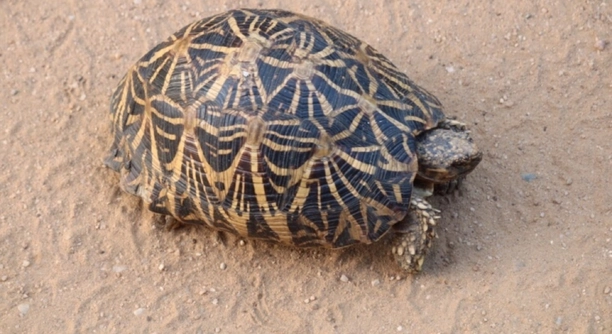
Is your Indian star tortoise struggling to move comfortably in its tank? A cramped enclosure can impact its health and well-being, making it essential to recognize when it needs more space for proper movement, growth, and overall comfort.
The most reliable way to tell if your Indian star tortoise needs a bigger tank is by observing its behavior and space usage. If it struggles to turn around, frequently bumps into walls, or appears stressed, it likely requires a larger enclosure.
Recognizing the signs of an undersized tank will help ensure your tortoise remains healthy and stress-free. Understanding these indicators can make a significant difference in your pet’s quality of life.
7 Signs Your Indian Star Tortoise Needs a Bigger Tank
A tank that’s too small can lead to stress, restricted movement, and potential health issues. If your tortoise frequently bumps into walls, struggles to turn around, or has difficulty accessing food and water, it may need more space. Lack of activity and constant attempts to climb the enclosure are also signs of discomfort. Another indicator is excessive digging, as your tortoise may be trying to create more room. If you notice rapid growth, your pet might have outgrown its current setup. Poor temperature regulation can also be a problem, as a small tank may not provide adequate temperature gradients. Lastly, if your tortoise exhibits aggressive or restless behavior, it could be due to limited space.
Providing enough space allows your tortoise to move freely, explore its surroundings, and maintain natural behaviors. A well-sized enclosure supports proper digestion, hydration, and overall well-being.
Upgrading to a larger tank can significantly improve your tortoise’s quality of life. More room allows for better enrichment, proper heating zones, and an environment that mimics its natural habitat. A spacious setup prevents stress-related behaviors and promotes long-term health.
How to Choose the Right Tank Size
A tortoise tank should be large enough to accommodate movement, basking areas, and hiding spots. A small setup can lead to stress and health problems.
For a hatchling, a 3-foot by 2-foot enclosure is usually sufficient. As it grows, the tank should be upgraded to at least 6 feet by 3 feet for an adult. If space allows, bigger is always better. A tortoise that has room to move, burrow, and explore will thrive. The tank should have enough space for a temperature gradient, a basking area, and a hiding spot. Proper ventilation is also essential for maintaining humidity levels.
Adding enrichment, such as rocks, logs, and plants, can make the enclosure more stimulating. A well-designed setup allows your tortoise to engage in natural behaviors, preventing boredom and stress. Investing in the right-sized tank ensures your pet stays healthy and active.
Signs of Stress from a Small Tank
A tortoise in a cramped space may become restless, frequently pacing or scratching at the walls. It may also refuse food, hide excessively, or show signs of irritability. Stress from a small enclosure can weaken its immune system, making it more susceptible to illness.
Inadequate space can lead to abnormal behaviors, such as excessive digging or constant attempts to escape. A stressed tortoise may also become lethargic, losing interest in normal activities like basking and exploring. If the enclosure doesn’t allow for a proper temperature gradient, the tortoise might struggle to thermoregulate, leading to further discomfort. A lack of movement can contribute to digestive problems, as tortoises need space to stay active for healthy digestion.
Providing a spacious, well-structured environment helps reduce stress and promotes natural behaviors. A larger tank allows your tortoise to establish routine movement patterns, regulate body temperature, and feel more secure. An enriched setup with proper lighting, hiding spots, and basking areas can significantly improve its overall well-being.
Setting Up an Enclosure for Comfort
A comfortable enclosure should have enough space for movement, proper heating zones, and hiding areas. A tank that mimics a tortoise’s natural habitat helps prevent stress and promotes healthy behaviors. The right setup includes a basking area, shaded spots, and a substrate suitable for burrowing.
A well-balanced environment supports your tortoise’s physical and mental health. The basking area should reach around 90°F, while the cooler side should stay around 75°F. A UVB light is essential for calcium absorption and shell health. Using natural materials like soil, sand, or coconut fiber as substrate encourages digging and burrowing. Hiding spots help your tortoise feel secure, reducing anxiety. Water and food should be easily accessible, and regular cleaning is necessary to maintain hygiene.
Enrichment plays a key role in keeping your tortoise active. Adding rocks, logs, and plants creates a more engaging space. A larger enclosure with varied textures and objects prevents boredom, encourages movement, and supports long-term health.
Effects of a Small Tank on Health
A restricted space can lead to muscle weakness and poor shell development. Limited movement prevents proper exercise, which is essential for bone strength and overall health. Without enough room, a tortoise may also develop obesity, impacting its mobility and internal organ function.
A small enclosure can cause temperature regulation issues. If the tortoise cannot move between warm and cool areas, it may struggle to maintain its body temperature. This can lead to digestive problems, respiratory infections, and weakened immunity. A properly sized tank helps maintain a stable, healthy environment.
How Often to Upgrade the Tank
Tank upgrades should be based on growth rate. Hatchlings grow quickly and may outgrow their first enclosure within a year. A juvenile tortoise will need a larger space as it matures. Once fully grown, an adult tortoise requires a permanent setup that allows for natural movement and activity.
Signs Your Tortoise is Thriving
A well-adjusted tortoise moves freely, explores its surroundings, and maintains a healthy appetite. Regular basking, smooth shell growth, and consistent activity indicate a suitable environment. Providing a spacious, enriched tank ensures proper development, encourages natural behaviors, and supports long-term health.
FAQ
How do I know if my tortoise is stressed from a small tank?
Signs of stress in a tortoise include constant pacing, digging, and attempting to escape the enclosure. If it’s not eating or moving around much, it may be a sign that the tank is too small. Other indicators are excessive hiding or aggressive behavior, such as biting or head-bobbing.
What size tank do I need for my Indian star tortoise?
A baby or juvenile Indian star tortoise needs a tank that is at least 3 feet by 2 feet. As it grows, it will need more space. An adult tortoise should have a tank that is at least 6 feet by 3 feet. The more space you can provide, the better.
Can I use a glass tank for my tortoise?
Yes, a glass tank is fine, but ensure it is large enough and has proper ventilation. Glass tanks tend to trap humidity, so you’ll need to monitor the temperature and humidity levels closely. Also, make sure there is enough space for hiding spots and basking areas.
How often should I clean my tortoise’s tank?
Cleaning frequency depends on the size of the tank and the number of tortoises. Generally, you should clean the tank once a week, removing waste and replacing soiled substrate. Spot clean daily, removing uneaten food and droppings to maintain a hygienic environment.
Can I add plants to my tortoise’s enclosure?
Yes, adding plants can help make the tank feel more natural. Make sure to choose tortoise-safe plants, like hibiscus, dandelions, and clover. Avoid toxic plants such as ivy, lilies, or certain ferns. Plants provide enrichment and hiding spots, enhancing your tortoise’s well-being.
What type of lighting does my tortoise need?
Your tortoise requires a UVB light for proper calcium absorption and to mimic sunlight. UVB light should be provided for 10-12 hours a day. It’s important to have both a basking light and a UVB light, with a temperature gradient in the tank to allow the tortoise to regulate its body heat.
How do I maintain the right temperature in the tank?
A temperature gradient is crucial. The basking area should be around 90°F, while the cooler side of the tank should be about 75°F. Use a heat lamp or ceramic heat emitter for warmth. Ensure the tank is not too hot or cold, as this can cause health issues.
Should I provide a water dish for my tortoise?
Yes, your tortoise needs access to clean water at all times. Make sure the water dish is shallow enough for your tortoise to drink easily but deep enough for it to soak if desired. Change the water daily to keep it fresh and clean.
What kind of substrate should I use in the tank?
For substrate, choose materials that are easy to clean, such as coconut coir, cypress mulch, or a mix of soil and sand. Avoid using materials like gravel or pine shavings, as they can cause injury or respiratory issues. Keep the substrate slightly damp for humidity but not soaking wet.
Can my tortoise live with other animals?
It’s generally best to house your tortoise separately from other animals. Other pets can stress your tortoise or potentially injure it. If you decide to house multiple tortoises together, ensure that the tank is large enough to accommodate all of them, and monitor for signs of aggression.
How do I encourage my tortoise to eat more?
If your tortoise is not eating, first check the temperature and humidity levels in the tank. A stressed or uncomfortable tortoise may refuse food. Offering a variety of leafy greens, dandelions, and safe flowers can help entice your tortoise to eat. You can also try hand-feeding to encourage eating.
Is it necessary to provide a hiding spot?
Yes, a hiding spot is essential for your tortoise’s mental well-being. Tortoises feel more secure when they can retreat to a shaded, sheltered area. This helps reduce stress and allows them to rest in a comfortable, safe place. Use rocks, logs, or commercial hide boxes.
Can I take my tortoise outside for exercise?
Yes, but ensure that the outdoor environment is safe. Always supervise your tortoise when outside. Make sure there are no predators, and avoid areas with toxic plants. Tortoises benefit from natural sunlight, but never leave them outside unattended, as they can easily escape or get injured.
What should I do if my tortoise seems to be growing too fast?
Rapid growth can indicate overfeeding or incorrect environmental conditions. Ensure your tortoise’s diet is balanced and not too high in protein or calcium. If growth seems excessive, consult a reptile vet to check for any underlying health issues. A proper diet and environment are key for steady growth.
How can I tell if my tortoise is sick?
Signs of illness in a tortoise include lethargy, lack of appetite, swollen eyes, wheezing, or abnormal feces. If your tortoise is having trouble walking, showing signs of respiratory distress, or has unusual discharge from the nose or eyes, it’s best to consult a vet for a check-up.
Can I feed my tortoise fruits and vegetables?
Yes, tortoises can eat a variety of vegetables and fruits. However, the majority of their diet should consist of leafy greens and grasses. Fruits should be given in moderation, as they are high in sugar. Safe fruits include apples, berries, and melons, but avoid citrus.
What do I do if my tortoise keeps trying to escape its tank?
Escape attempts are often a sign that the tank is too small or lacks enough enrichment. Make sure your tortoise has adequate space, hiding spots, and stimulation. If it’s consistently trying to escape, consider upgrading its enclosure or adding more objects for it to interact with.
Can I use a plastic container for my tortoise’s tank?
Plastic containers can work if they are large enough and provide the necessary ventilation. However, they can trap moisture and heat, leading to uncomfortable conditions. Make sure the container has proper ventilation, and monitor humidity and temperature levels to keep your tortoise healthy.
Final Thoughts
Ensuring your Indian star tortoise has the proper size tank is essential for its well-being. A tank that’s too small can lead to stress, health problems, and unhappy behavior. It’s important to pay attention to the signs of discomfort, like attempts to escape or lack of movement. Providing enough space allows your tortoise to thrive, feel secure, and exhibit natural behaviors. By ensuring the right environment, you’re giving your tortoise the best chance at a long, healthy life.
Choosing the right tank size is not just about physical space but also about creating the proper conditions for your tortoise. Temperature control, lighting, humidity, and space to roam are all crucial elements of a suitable habitat. Make sure the tank has a basking area, hiding spots, and a cool side to allow your tortoise to regulate its body temperature. Regular cleaning and monitoring of these factors will also contribute to a healthier environment. Your tortoise’s happiness and health are directly influenced by how well you set up its home.
When in doubt, it’s always better to give your tortoise more space than not enough. While a larger tank may require more effort to maintain, it ensures your tortoise has enough room to move and grow comfortably. A spacious tank, along with the right care and attention, will contribute to a better quality of life for your tortoise. By understanding and meeting your tortoise’s needs, you’re providing a positive, safe environment that will help it flourish for years to come.

Hello,
If you enjoy the content that we create, please consider saying a "Thank You!" by leaving a tip.
Every little bit helps us continue crafting quality advice that supports the health, happiness, and well-being of pets around the world, for pets of all shapes, sizes, and species.
We really appreciate the kindness and support that you show us!