
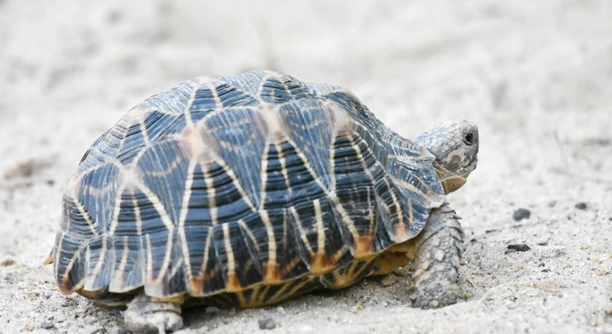
The Indian Star Tortoise is a unique and fascinating reptile. Ensuring its health is crucial for its well-being and longevity. Knowing how to monitor and assess the tortoise’s condition can prevent health issues and improve its care.
A healthy Indian Star Tortoise will have clear, bright eyes, a smooth and firm shell, and be active. It should show interest in food and exhibit normal behaviors like walking and basking. Regular health checks are essential to detect potential issues early.
By observing these signs, you can make sure your tortoise stays in top condition and enjoys a happy, healthy life.
1. How to Check for Clear Eyes
Healthy eyes are a sign of your tortoise’s overall well-being. If the eyes are cloudy, swollen, or discharge is present, it may indicate a health problem such as an eye infection. A tortoise with healthy eyes will have bright, clear eyes that are fully open. If you notice any changes, it is important to take action.
Eye infections can be caused by various factors, including poor living conditions or inadequate diet. When the environment is too damp or dusty, it can irritate your tortoise’s eyes, leading to discomfort or infection. Proper hygiene in their enclosure is essential to preventing this.
Additionally, providing a well-balanced diet rich in nutrients will help maintain good eye health. If your tortoise shows signs of discomfort, such as rubbing its eyes or keeping them shut, it is best to consult a veterinarian. Regularly monitoring eye health can help prevent further complications.
2. Shell Health and What to Look For
A strong, smooth shell is a key indicator of your tortoise’s health.
The shell should not show any signs of soft spots, cracks, or abnormal growth. If you spot any of these, it may be a sign of a nutritional deficiency or injury.
3. Activity Levels to Monitor
A healthy tortoise will remain active throughout the day. If your tortoise is spending more time than usual hiding or being lethargic, it could indicate an underlying issue. Keep track of its activity patterns to ensure it’s staying active and alert.
Tortoises enjoy basking in the warmth and walking around their enclosure. A sudden decrease in activity may be a sign of illness or discomfort. Check if your tortoise is also eating and drinking as usual. Lack of appetite and inactivity often go hand in hand, making it important to observe their behavior closely.
Overheating or not having enough space to move can also cause a decrease in activity. Ensure your tortoise’s habitat has the proper temperature and enough room to roam freely.
4. Healthy Eating Habits
Proper nutrition is essential for a tortoise’s health. Your tortoise should have a consistent appetite for fresh greens and other appropriate foods.
If your tortoise refuses to eat or seems uninterested in its food, this could be a sign of stress, illness, or environmental factors like improper temperature. Ensure you are feeding it a well-balanced diet suited for its species. Offering a variety of greens, vegetables, and occasional fruit will encourage healthy eating habits. Keep the food fresh and free of pesticides.
Changes in eating habits may also be related to underlying health problems like digestive issues or parasites. If the problem persists, seek professional advice from a vet to rule out potential health concerns.
5. Checking for Respiratory Issues
Respiratory problems can show up as wheezing, nasal discharge, or labored breathing. If you notice any of these symptoms, it’s important to act quickly. Respiratory infections can be serious if left untreated.
Tortoises with respiratory infections may also become lethargic or lose their appetite. Make sure the humidity and temperature in their enclosure are suitable, as extremes can stress their respiratory system. Proper ventilation is key to preventing respiratory issues. If symptoms persist, consult a veterinarian for a proper diagnosis and treatment plan. Early intervention can make a big difference in recovery.
6. Regular Shell Maintenance
The shell should be cleaned regularly to prevent buildup of dirt or bacteria. A dirty shell can lead to infections or other issues if not cleaned properly.
Using a soft brush and warm water, gently scrub the shell to remove dirt. Be careful not to scratch the shell, as it is sensitive. Keeping the shell clean helps avoid fungal or bacterial growth. Regular maintenance also allows you to spot any changes or damage that might go unnoticed. Cleanliness is a simple way to ensure overall shell health and comfort.
FAQ
What are the signs of a sick Indian Star Tortoise?
Common signs of illness in an Indian Star Tortoise include lethargy, loss of appetite, abnormal breathing, and changes in the appearance of the shell or eyes. If your tortoise is hiding more than usual or shows no interest in food, these could be indicators that something is wrong. Unhealthy tortoises may also have a dirty or cracked shell, nasal discharge, or swelling in the limbs or neck. If these signs persist, it’s best to consult a veterinarian for an accurate diagnosis and treatment.
How can I tell if my Indian Star Tortoise is stressed?
Stress in Indian Star Tortoises can be caused by factors like improper temperature, inadequate space, or a change in their environment. Signs of stress include excessive hiding, loss of appetite, rapid breathing, and more aggressive or defensive behavior. If your tortoise seems unusually withdrawn or is displaying erratic behavior, it could be stressed. Make sure its habitat is stable and meets its needs in terms of temperature, humidity, and space. Stress can also be caused by overhandling, so it’s important to allow your tortoise time to relax in its enclosure.
How do I ensure my Indian Star Tortoise is eating properly?
A balanced diet is key to your tortoise’s health. Offer a variety of leafy greens, vegetables, and occasional fruits, along with a calcium supplement to support shell growth and bone health. Avoid feeding your tortoise high-protein foods or too much fruit, as this can lead to health issues like kidney problems. Make sure the food is fresh, clean, and free of pesticides. If your tortoise stops eating or seems disinterested in food, it could be a sign of illness or stress. A sudden change in diet or an unfamiliar food source may also cause them to refuse meals.
What temperature should my Indian Star Tortoise’s enclosure be?
Indian Star Tortoises require a temperature range of 80-90°F (27-32°C) during the day, with a basking area that reaches 95°F (35°C). At night, the temperature should drop to around 70-75°F (21-24°C). Too high or too low a temperature can cause stress or health problems. A heat lamp and UVB light are important to ensure your tortoise gets the necessary heat and UVB rays for proper digestion and shell growth. Be sure to monitor the temperature using a reliable thermometer to maintain a comfortable environment for your tortoise.
How often should I clean my Indian Star Tortoise’s enclosure?
It’s essential to clean your tortoise’s enclosure regularly to prevent the buildup of bacteria and waste. The enclosure should be spot cleaned daily to remove leftover food, waste, and soiled bedding. A full cleaning of the entire enclosure should be done once a week. This includes washing the substrate, cleaning the water dish, and disinfecting surfaces. Keeping the enclosure clean helps reduce the risk of infections and promotes a healthy living environment for your tortoise.
What should I do if my Indian Star Tortoise isn’t drinking water?
If your tortoise is not drinking water, it could be dehydrated. Offer fresh water daily, making sure it’s clean and accessible. Sometimes, tortoises may not drink water directly from their dish. You can try soaking your tortoise in warm water for 10-15 minutes, which encourages them to hydrate. Dehydration can lead to digestive issues and other health problems, so make sure your tortoise always has access to fresh water. If dehydration continues, consult a veterinarian for advice.
How do I provide proper humidity for my Indian Star Tortoise?
Humidity is an important aspect of your tortoise’s environment, especially for preventing respiratory issues and skin problems. Indian Star Tortoises thrive in a humidity level between 50-70%. You can maintain the right humidity by misting the enclosure with water or using a humidifier. A water dish can also help maintain moisture levels. Be careful not to let the enclosure become too damp, as this can lead to mold growth or shell rot. Regularly monitor humidity with a hygrometer to keep it in the proper range.
Can I handle my Indian Star Tortoise?
While Indian Star Tortoises can be handled, it’s important to do so with care. Excessive handling can cause stress, leading to health issues. If you need to handle your tortoise, make sure it’s for short periods and always support its body. Never pick it up by the shell. Tortoises are generally more comfortable when they can roam freely in their environment. Spend time observing your tortoise from a distance rather than frequent handling, as this helps them feel secure and relaxed in their habitat.
What type of lighting does my Indian Star Tortoise need?
Indian Star Tortoises require UVB lighting to help with calcium absorption and to support overall health. A UVB light should be provided for 10-12 hours a day. It’s important to place the light at an appropriate distance from the tortoise, as the UVB rays can lose effectiveness over time. In addition to UVB lighting, a heat lamp is necessary to maintain the correct temperature in the enclosure. Be sure to replace the UVB bulb every 6-12 months to ensure it’s providing the necessary radiation for your tortoise.
How can I tell if my Indian Star Tortoise is getting enough calcium?
Calcium is crucial for the proper development of your tortoise’s shell and bones. A lack of calcium can lead to soft shell syndrome, where the shell becomes weak and deformed. Ensure your tortoise’s diet includes calcium-rich foods like dark leafy greens, and supplement with calcium powder if necessary. Providing UVB lighting is also essential, as it helps your tortoise absorb calcium. If your tortoise shows signs of shell deformities or weakness, consult a veterinarian to check its calcium levels and overall health.
Final Thoughts
Taking care of an Indian Star Tortoise requires attention to detail, consistency, and a proper understanding of their needs. Their health is influenced by factors like diet, temperature, and humidity, and these aspects must be regularly monitored to ensure they thrive. Regularly checking for signs of illness and stress will help catch problems early, leading to a better outcome for your tortoise. When their needs are met, Indian Star Tortoises can live long, healthy lives, making them a rewarding pet for those who are willing to invest the time and effort.
One of the most important things to remember is that every tortoise is unique. While there are general guidelines, each one may have slightly different needs or preferences. It’s essential to observe their behavior and adjust the environment accordingly. Small changes, like adjusting the temperature or diet, can have a significant impact on their well-being. Don’t be discouraged if things don’t go perfectly right away; with time and experience, you’ll develop a better understanding of what works best for your tortoise. Patience and a commitment to learning will make the process smoother.
Finally, be sure to seek professional help when needed. If you notice any health issues or are unsure about something, consulting a veterinarian with experience in reptiles can make a big difference. Preventive care, such as regular check-ups, can catch issues early, saving you both time and stress. Ensuring that your tortoise’s habitat is clean, well-maintained, and properly set up for its needs is a crucial part of providing the best care. By staying informed and proactive, you can give your Indian Star Tortoise the best chance at a happy, healthy life.

Hello,
If you enjoy the content that we create, please consider saying a "Thank You!" by leaving a tip.
Every little bit helps us continue crafting quality advice that supports the health, happiness, and well-being of pets around the world, for pets of all shapes, sizes, and species.
We really appreciate the kindness and support that you show us!