
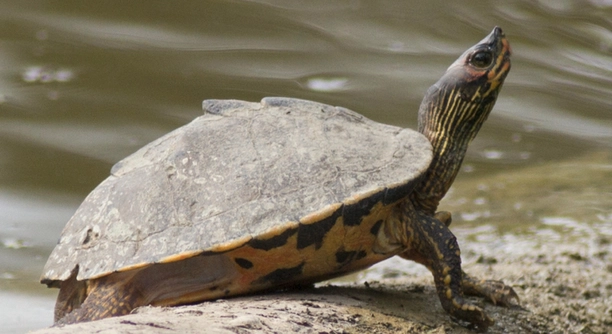
Caring for your Indian Roofed Tortoise means paying attention to all aspects of their well-being, including their shell. Understanding how to tell if your tortoise’s shell is growing properly is crucial for ensuring their health.
The growth of an Indian Roofed Tortoise’s shell can be assessed by observing its shape, texture, and size. A healthy shell should develop gradually, with smooth, even growth rings and no signs of damage or deformity.
Keeping an eye on your tortoise’s shell growth can help you identify potential health concerns early. This article will guide you on how to recognize signs of proper or irregular shell development.
Understanding the Tortoise Shell Growth Process
The Indian Roofed Tortoise’s shell grows in layers, just like the rings of a tree. As your tortoise matures, the shell should develop gradually, becoming more rounded and strong. During the growth process, the shell is soft and flexible, making it vulnerable to injury, so it’s essential to create a safe, healthy environment for them. Their diet, activity level, and habitat conditions all influence how well the shell grows. If the tortoise is kept in improper lighting or doesn’t get enough calcium, shell deformities can occur. Keeping a close eye on these factors is key to helping your tortoise’s shell grow properly.
Proper lighting is a key factor for shell growth. Without exposure to UVB light, tortoises can develop shell deformities and weakened bones. Calcium is also important for strong shell growth, and a balanced diet that includes calcium-rich foods can prevent deficiencies.
It’s vital to avoid keeping your tortoise in a damp or overly humid environment, as these conditions can negatively affect the shell’s health. Make sure they have a dry, well-ventilated area to move around.
Signs of Healthy and Unhealthy Shell Growth
A healthy tortoise shell will appear smooth, with no obvious indentations or bumps. Over time, the shell will develop distinct growth rings that show the stages of its growth. As the tortoise ages, the shell should become harder and more resilient. If you notice any unusual signs, like soft spots or irregular growth, it could indicate health problems that need to be addressed. A common sign of an unhealthy shell is softening, which might mean the tortoise isn’t getting enough calcium or proper UVB exposure.
If your tortoise’s shell is growing unevenly or shows signs of cracks, it’s important to assess its environment and diet. Check the lighting setup, humidity levels, and food intake to ensure it’s getting what it needs for healthy growth. A tortoise’s shell can also suffer from fungal or bacterial infections if kept in an unsanitary environment. Keeping the enclosure clean and providing proper veterinary care is essential in maintaining a healthy shell.
Sometimes, deformities in shell growth can be a result of previous health issues. If your tortoise has had past injuries or infections, these can sometimes leave lasting effects on the shell. Early intervention and regular checkups are important for addressing these issues.
Common Shell Problems and Causes
A common problem with tortoises is pyramiding, where the shell grows unevenly, forming a pyramid-like shape. This can result from poor diet, lack of UVB lighting, or improper humidity levels. It’s important to monitor your tortoise’s growth and environment to avoid such issues.
Pyramiding typically occurs when the tortoise doesn’t have access to proper UVB light, which is essential for calcium metabolism. Without it, the shell can grow irregularly, creating a bumpy appearance. In addition, an improper diet low in calcium and high in protein can cause imbalanced growth. Pyramiding can also happen if the tortoise’s habitat has fluctuating temperatures or if it’s kept in an overly humid environment. You can prevent pyramiding by ensuring your tortoise gets balanced nutrition, a clean living space, and proper lighting.
If pyramiding is severe, it could lead to long-term shell deformities and discomfort for your tortoise. Catching it early is key to reversing the damage. Regularly check your tortoise’s shell, and consult with a vet if you notice signs of uneven growth or discomfort.
The Importance of Calcium and UVB Lighting
A tortoise’s shell needs calcium for proper growth. Without adequate calcium intake, the shell can become soft and weak, leading to deformities. UVB light helps tortoises synthesize vitamin D3, which is essential for calcium absorption.
Providing UVB lighting in your tortoise’s habitat ensures they can absorb calcium properly and maintain healthy shell growth. The UVB light should be on for 10-12 hours each day to mimic natural sunlight. Along with UVB, a diet rich in calcium is vital for shell strength. Leafy greens like collard greens and dandelion leaves are good sources of calcium for tortoises. You can also provide calcium supplements, but it’s important to make sure they’re balanced with the correct ratio of other nutrients.
Inadequate calcium and UVB exposure can lead to metabolic bone disease, which causes the shell to soften and deform. A lack of calcium also impacts the tortoise’s bones, making them fragile and more prone to fractures. Keeping your tortoise’s diet and lighting in check will help prevent these issues and ensure a strong, healthy shell.
Monitoring Shell Growth Over Time
Regularly monitoring your tortoise’s shell is essential to spotting early signs of growth issues. Take note of any changes in the shape, texture, or size of the shell. Keeping a record can help you track its development.
Observe your tortoise during its growth stages. A smooth, even shell is a sign of healthy growth. Any changes such as uneven bumps or soft spots should be addressed right away. It’s important to inspect the shell closely to ensure the growth is consistent and without irregularities.
A consistent routine of observation will help catch potential issues before they become severe. If the shell growth seems off, consult a vet to investigate further.
Keeping the Habitat Clean and Healthy
A clean habitat is crucial for maintaining your tortoise’s health and shell development. Regularly cleaning the enclosure helps prevent fungal and bacterial infections, which can damage the shell. Make sure to remove waste and spot clean daily.
A properly maintained habitat ensures your tortoise can thrive and avoid health issues. Humidity levels should also be kept stable, and the temperature should be appropriate for your tortoise’s species. Additionally, fresh water should always be available, and food bowls should be cleaned to prevent contamination. Keeping the environment tidy will help your tortoise grow a healthy shell and overall body.
Shell damage can occur from a dirty habitat, leading to infection or other issues. Proper care is essential for a strong, healthy tortoise.
FAQ
How can I tell if my tortoise’s shell is growing properly?
You can tell if your tortoise’s shell is growing properly by checking for smooth, even growth. The shell should not have deep cracks, soft spots, or bumps. The growth rings on the shell should appear consistent without irregularities. If the shell seems to be soft or uneven, it could be a sign that something is wrong, like a calcium deficiency or poor environmental conditions.
What causes shell pyramiding in tortoises?
Shell pyramiding is often caused by a poor diet, insufficient UVB lighting, or improper humidity levels. When a tortoise doesn’t get enough calcium, or when their diet is too high in protein, it can cause the shell to grow unevenly, creating a pyramid-like shape. Additionally, a lack of UVB light prevents the tortoise from synthesizing vitamin D3, which is essential for calcium absorption and proper shell growth.
What should I feed my Indian Roofed Tortoise to ensure proper shell growth?
To promote proper shell growth, feed your tortoise a balanced diet rich in calcium and fiber. Offer leafy greens like collard greens, dandelion greens, and mustard greens, as well as other vegetables like squash, zucchini, and carrots. You can also provide occasional fruits like strawberries and melon as treats. Avoid feeding your tortoise too much fruit, as it can upset their digestion. Make sure the diet is low in protein, as excess protein can contribute to shell pyramiding.
How often should I give my tortoise calcium supplements?
Calcium supplements should be given regularly but in moderation. A common recommendation is to dust your tortoise’s food with calcium powder 2-3 times per week. However, it’s important not to overdo it, as excess calcium can cause other health issues, like kidney problems. Consult a vet to determine the right amount for your specific tortoise, as their needs can vary based on age, size, and diet.
Why does my tortoise’s shell feel soft?
If your tortoise’s shell feels soft, it’s a sign of a calcium deficiency. Without enough calcium, the shell becomes weak and vulnerable to injury. This can happen if the tortoise isn’t getting enough UVB light or calcium in their diet. Ensure the tortoise has access to proper lighting and a calcium-rich diet, and consult a vet if the softness persists.
Can a tortoise’s shell heal if it’s damaged?
A tortoise’s shell can heal if it’s cracked or injured, but the process is slow. The shell is made of living tissue, so minor cracks can gradually heal over time, given proper care. However, severe damage may require medical treatment to avoid infection. If your tortoise’s shell is deeply cracked or broken, it’s essential to take it to a vet immediately to prevent further damage and infection.
How do I ensure proper UVB lighting for my tortoise?
To ensure proper UVB lighting, place a UVB bulb above your tortoise’s enclosure. The bulb should be on for 10-12 hours per day to mimic natural sunlight. The UVB light should be replaced every 6-12 months, as its intensity decreases over time, even if the light still appears to be functioning. Be sure to position the light at an appropriate distance from your tortoise, as the light’s effectiveness diminishes with distance.
What temperature should I keep my tortoise’s enclosure?
The temperature in your tortoise’s enclosure should be kept between 75-85°F (24-29°C) during the day, with a basking area that reaches around 90°F (32°C). At night, the temperature can drop to about 70°F (21°C). It’s important to use a thermometer to ensure the temperature is consistent and to avoid overheating or underheating, as both can negatively affect your tortoise’s health and shell growth.
What are the signs of metabolic bone disease in tortoises?
Metabolic bone disease in tortoises is a result of calcium deficiency, often due to a lack of UVB light or improper diet. Signs of the disease include a soft or deformed shell, lethargy, difficulty moving, and in some cases, tremors. If you notice any of these symptoms, consult a vet immediately to address the underlying cause and prevent further damage.
Is it okay for my tortoise to live outside?
Yes, it’s perfectly fine for your tortoise to live outside as long as the environment is safe, secure, and suitable for their species. Make sure the outdoor habitat is free from predators, provides adequate shelter from rain and direct sunlight, and has a clean, dry area for your tortoise to roam. Outdoor environments can also provide natural sunlight for UVB exposure, but be mindful of temperature fluctuations and ensure your tortoise has a safe place to retreat when needed.
How do I clean my tortoise’s shell?
Cleaning your tortoise’s shell is simple. Use a soft brush or toothbrush with warm water to gently scrub the shell. This helps remove dirt, algae, or debris that may have built up. Be sure not to scrub too hard, as the shell can be sensitive. Avoid using soap or harsh chemicals, as these can irritate the tortoise’s skin and shell. After cleaning, dry the shell with a soft towel.
Final Thoughts
Taking care of your Indian Roofed Tortoise’s shell is an important part of ensuring its overall health and well-being. Shell growth is influenced by various factors, including diet, habitat, and lighting. By providing the right conditions and paying attention to the signs of proper shell development, you can help your tortoise grow a strong, healthy shell. A smooth, evenly developed shell is a sign of a well-cared-for tortoise, while irregularities or soft spots may point to underlying health issues that need attention.
It’s essential to keep an eye on your tortoise’s environment. Ensuring that your tortoise has access to UVB light and a calcium-rich diet is crucial for proper shell growth. Without these, the shell can become weak, misshapen, or even soft. Regularly cleaning the enclosure and maintaining stable temperature and humidity levels will also help prevent infections or other issues that can affect shell health. If you notice any irregularities in your tortoise’s shell, acting quickly can help prevent further complications. Consulting a vet is a good idea if you have any concerns or notice something unusual.
Lastly, remember that tortoises are slow-growing creatures, and their shell development takes time. Patience is important, as it might take years for your tortoise to reach full maturity. The key is to provide them with the right environment, monitor their growth, and make any necessary adjustments to their care. By doing so, you will ensure that your Indian Roofed Tortoise remains healthy, happy, and has a strong, well-developed shell throughout its life.

Hello,
If you enjoy the content that we create, please consider saying a "Thank You!" by leaving a tip.
Every little bit helps us continue crafting quality advice that supports the health, happiness, and well-being of pets around the world, for pets of all shapes, sizes, and species.
We really appreciate the kindness and support that you show us!