
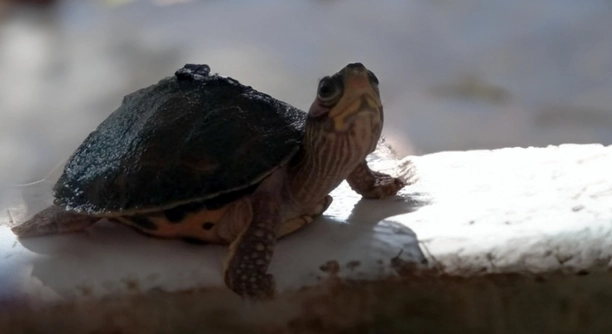
With hot weather comes the need for extra care, especially when it comes to pets like your Indian Roofed Tortoise. These reptiles need special attention to stay hydrated during the summer months to remain healthy and comfortable.
Keeping your Indian Roofed Tortoise hydrated during hot weather can be managed by providing fresh water, proper humidity, and cooling techniques. Regular misting, soaking, and offering water-rich foods are also key steps to prevent dehydration and ensure overall well-being.
Hydration is essential for your tortoise’s health, and there are simple ways to keep them cool and hydrated throughout the summer. This article will guide you through those methods.
Provide Fresh Water Regularly
To ensure your Indian Roofed Tortoise stays hydrated, offer fresh water daily. A shallow dish of clean water should be placed in a spot where your tortoise can easily reach it. Change the water at least once a day to avoid contamination from dirt or food remnants. Make sure the water dish is large enough for them to soak in, as soaking helps them absorb moisture through their skin. If your tortoise is hesitant to drink, lightly mist them with water to encourage them to hydrate.
Fresh water is a simple yet effective way to maintain hydration in your tortoise. Make sure it is always accessible and clean, providing a consistent source of hydration for them.
On very hot days, you can add some ice cubes to the water to keep it cool. This helps regulate their body temperature and ensures they don’t get overheated. Always monitor the water temperature and ensure it doesn’t become too cold for comfort. Regular access to fresh water is essential for your tortoise’s health.
Soak Your Tortoise in Lukewarm Water
Soaking your tortoise is a great way to boost hydration, especially in warm weather. A short soak in lukewarm water for about 15 to 20 minutes can help your tortoise absorb moisture. Repeat this once or twice a week.
Soaking your tortoise can be done in a shallow container. Always make sure the water level is low enough to avoid drowning. Keep an eye on your tortoise and make sure it doesn’t become stressed. After soaking, gently dry them off with a soft towel. This method provides them with direct moisture absorption while also giving them a chance to relax.
Provide Water-Rich Foods
In addition to offering water, you can feed your tortoise foods that contain high water content. Items like cucumber, watermelon, and leafy greens are great choices. These foods help keep your tortoise hydrated while also providing essential nutrients.
Water-rich vegetables like romaine lettuce and spinach can also be added to their diet. These foods are not only hydrating but also provide much-needed fiber. Make sure to wash the vegetables thoroughly before feeding them. Keep in mind that variety is key, so rotate water-rich foods to avoid any nutritional imbalances.
While water-rich foods are beneficial, it’s important not to rely solely on them for hydration. Provide fresh water daily, and offer water-based foods as a supplement. This will ensure your tortoise stays well-hydrated and healthy throughout the summer months.
Create a Humid Environment
Maintaining the right humidity levels in your tortoise’s enclosure is crucial. Humidity helps keep their skin moist and prevents dehydration. Using a humidity gauge can help you monitor the moisture levels in the habitat. Ideally, the humidity should be between 50% and 70%.
To increase humidity, you can mist the enclosure lightly every day. A humidity-friendly substrate, like coconut coir, also helps maintain moisture. If you notice the enclosure is too dry, you may need to adjust the amount of water you’re using to mist. Be sure to check the humidity regularly and make changes when needed.
It’s also helpful to place a shallow water dish inside the habitat for your tortoise to soak in whenever they choose. This will provide another source of hydration while helping to maintain the humidity around them.
Mist the Tortoise Regularly
Misting your tortoise is an easy way to boost hydration. Use a spray bottle to mist their shell and body lightly. This can help your tortoise absorb moisture through their skin. Aim to mist them a few times a week, especially during warmer months.
Misting also helps maintain the humidity levels in the enclosure. It’s a quick and effective way to make sure your tortoise stays hydrated. Just avoid over-wetting them to the point where they become uncomfortable or stressed. Gentle misting is key for hydration and overall well-being.
Provide a Shaded Area
It’s important to provide a shaded area in your tortoise’s habitat, especially in hot weather. This allows them to escape the sun when it becomes too intense. A shaded space helps regulate their body temperature and prevents overheating.
Make sure the shaded area is cool and comfortable. You can use plants, shelters, or other materials to create a natural shade. This also gives your tortoise the freedom to choose where they want to rest, offering them comfort and safety.
Avoid Overheating
Overheating can lead to dehydration and other health problems. Always make sure your tortoise has access to a cool, shaded spot during the hottest parts of the day. Avoid placing their enclosure in direct sunlight for too long.
In addition to keeping them in the shade, ensure the temperature in their enclosure is suitable. Ideal temperatures range from 75°F to 85°F during the day, with a slight drop at night. Always monitor their behavior—if they seem stressed or lethargic, they might be overheated.
FAQ
How often should I give my Indian Roofed Tortoise water?
It’s important to offer fresh water every day. Tortoises need access to clean water at all times to stay hydrated. Make sure to change the water at least once a day to keep it fresh and free of contaminants. On particularly hot days, you can also add a few ice cubes to help keep the water cool and comfortable for them.
Can I use a water dish for my tortoise to soak in?
Yes, a water dish is a great way to let your tortoise soak. Make sure the dish is shallow enough so they can easily climb in and out. The water level should be low, just enough for them to soak their legs and lower body. Soaking helps them absorb moisture, which is vital for hydration, especially in hot weather.
How do I know if my tortoise is dehydrated?
Signs of dehydration in tortoises can include sunken eyes, dry or flaky skin, lethargy, or a lack of appetite. You may also notice that they are less active or avoid moving. If you suspect dehydration, it’s important to start soaking them in lukewarm water and increase their water intake immediately. If symptoms persist, consider consulting a veterinarian.
Can I mist my tortoise every day?
Misting your tortoise every day is a good practice, especially during warmer weather. A few gentle sprays a day will help keep their skin hydrated and maintain the humidity levels in their enclosure. Be careful not to overdo it, as excessive moisture can cause stress. Misting once or twice daily is usually sufficient.
Is it okay for my tortoise to eat vegetables like cucumber and watermelon?
Yes, vegetables like cucumber and watermelon are excellent sources of hydration for your tortoise. They contain a high amount of water and are safe for them to eat in moderation. Be sure to remove any seeds, and avoid feeding them too much fruit, as it can be high in sugar. Leafy greens are also a great addition to their diet.
How can I create a humid environment in my tortoise’s enclosure?
You can increase the humidity in your tortoise’s enclosure by lightly misting the habitat daily. Use a humidity gauge to monitor the levels, which should ideally be between 50% and 70%. Adding a humidity-friendly substrate, like coconut coir, will help retain moisture as well. If the air is too dry, you can also consider placing a shallow water dish to help raise the humidity.
What temperature is best for my Indian Roofed Tortoise in hot weather?
In hot weather, your tortoise’s enclosure should stay between 75°F and 85°F during the day. You can provide a warm basking area where they can enjoy slightly higher temperatures, but they should always have access to cooler, shaded areas to regulate their body temperature. Avoid temperatures above 90°F, as excessive heat can cause dehydration or heat stress.
Should I provide a shaded area for my tortoise?
Yes, providing a shaded area is crucial, especially in hot weather. Your tortoise needs a place to escape the direct sun when it becomes too hot. You can create shade using plants, a small shelter, or any materials that block out the sunlight. Shading helps prevent overheating and allows your tortoise to rest comfortably.
How can I help my tortoise cool down in hot weather?
To help your tortoise stay cool, ensure that their habitat has plenty of shaded areas. Soaking them in lukewarm water for 15 to 20 minutes a few times a week can also help lower their body temperature. Additionally, misting them gently or adding ice cubes to their water dish can help provide relief during the hottest parts of the day.
Can my tortoise drink from a shallow water dish?
Yes, your tortoise can drink from a shallow water dish. Ensure the dish is low enough for them to reach comfortably. This will also allow them to soak in the water if they wish. Make sure to change the water daily to keep it fresh and clean. If you have a larger tortoise, consider a bigger dish, but make sure it’s easy for them to access.
Do I need to monitor my tortoise’s hydration levels?
Yes, monitoring your tortoise’s hydration levels is important. If they are not drinking water regularly or showing signs of dehydration, take action quickly. Make sure their water is fresh, and offer water-rich foods. If necessary, soak them in lukewarm water to help with hydration. Regular observation of their behavior and physical condition will help you spot any potential issues early.
What should I do if my tortoise refuses to drink water?
If your tortoise refuses to drink water, try misting them with a light spray of water. You can also try offering water-rich foods like cucumber, watermelon, or leafy greens. If your tortoise is still not drinking, soaking them in lukewarm water for 15-20 minutes a couple of times a week may encourage them to drink. If the issue continues, consult with a veterinarian.
Can I give my tortoise cold water to drink?
It’s best to avoid giving your tortoise very cold water. Cold water can shock their system and might make them uncomfortable. Instead, offer water at room temperature or slightly cool water, especially in hot weather. You can also add ice cubes to their water dish, but ensure it’s not too cold. Keep their drinking water temperature comfortable to encourage hydration.
Final Thoughts
Keeping your Indian Roofed Tortoise hydrated in hot weather is essential for their overall health. It’s not just about providing water; it’s about creating a comfortable environment where they can stay cool and hydrated. From offering fresh water daily to incorporating water-rich foods into their diet, these small steps can make a big difference. Providing a shaded area and misting your tortoise regularly also helps prevent overheating and keeps them comfortable during the warmer months.
Remember, hydration is key for their well-being. A dehydrated tortoise can quickly become stressed or ill, so it’s important to keep a close eye on their behavior and make adjustments as needed. Soaking them in lukewarm water can also provide additional hydration, especially if they seem reluctant to drink. In addition to the physical steps, keeping the humidity levels in their enclosure at the right level will also make a significant difference. Make sure to monitor the environment and take steps to keep it humid enough for them to stay comfortable.
While these methods will help keep your tortoise hydrated, it’s always best to pay attention to their specific needs. Not all tortoises are the same, and some may require more or less care depending on their age, health, and environment. Regular observation is key to noticing signs of dehydration or discomfort before it becomes a problem. By staying proactive with their care, you’ll ensure that your Indian Roofed Tortoise enjoys a healthy and hydrated life, even during the hottest days of the year.

Hello,
If you enjoy the content that we create, please consider saying a "Thank You!" by leaving a tip.
Every little bit helps us continue crafting quality advice that supports the health, happiness, and well-being of pets around the world, for pets of all shapes, sizes, and species.
We really appreciate the kindness and support that you show us!