
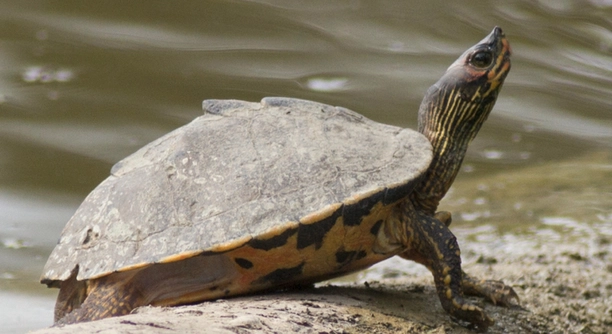
A healthy Indian Roofed Tortoise is an active and engaging companion. One way to monitor its well-being is by checking its eyes. This simple check-up ensures it is living its best life.
To ensure your Indian Roofed Tortoise’s eyes are healthy, look for clear, bright eyes free from discharge, swelling, or cloudiness. Healthy eyes should appear clear and alert, without signs of irritation or injury.
Regular observation and proper care are essential to maintaining your tortoise’s eye health. Understanding these signs will help you address potential concerns promptly.
Signs of Unhealthy Eyes in Your Indian Roofed Tortoise
There are several signs that indicate your Indian Roofed Tortoise may be facing eye issues. Discharge around the eyes, cloudiness, or swelling can all point to underlying problems. Eyes that appear dull or sunken might also signal dehydration or illness. If your tortoise’s eyes seem consistently shut or if it appears to be in pain, these could be signs of an infection or injury. Sometimes, a change in behavior, such as reduced activity or reluctance to eat, may accompany these symptoms. Monitoring these changes regularly can help you catch any issues early.
Keep a close eye on any abnormal eye discharge, as it may point to infection. Thick mucus or excessive watering can indicate a health issue that requires attention.
If you notice cloudiness in your tortoise’s eyes, it is vital to take immediate action. Cloudy eyes may be caused by a bacterial or fungal infection, which can rapidly worsen if left untreated. A veterinarian’s consultation is the best step to ensure proper treatment. Treating these conditions quickly can prevent long-term damage and improve your tortoise’s quality of life.
How to Prevent Eye Problems in Your Indian Roofed Tortoise
Prevention is key to maintaining your tortoise’s eye health. Ensure it has access to clean, fresh water and a proper diet rich in nutrients.
A healthy habitat with adequate humidity and temperature is essential. Make sure your tortoise’s living space mimics its natural environment, providing it with ample space and proper lighting. Regular cleaning of its enclosure helps to prevent infection from bacterial buildup. Be cautious of harsh chemicals that might irritate its sensitive eyes.
What to Do If You Notice Eye Issues
If you notice any eye issues in your Indian Roofed Tortoise, it’s important to act quickly. Eye problems, left untreated, can lead to permanent damage.
The first step is to isolate your tortoise and inspect its eyes for discharge, swelling, or cloudiness. If the eyes are irritated, rinse them gently with saline solution. Avoid using any harsh chemicals or medications without veterinary advice. If the issue persists, take your tortoise to a veterinarian for further evaluation. Early intervention increases the chances of a full recovery and prevents long-term damage.
It’s also important to examine your tortoise’s environment. A dirty enclosure can contribute to eye infections, so ensure its space is kept clean and dry. Pay attention to lighting and humidity, as imbalances in these factors can also lead to eye irritation.
Understanding Common Eye Infections
Bacterial and fungal infections are some of the most common causes of eye issues in tortoises.
Bacterial infections can cause swelling, discharge, and cloudiness in the eyes. These are often caused by dirty water or unsanitary living conditions. Fungal infections, though less common, can also lead to similar symptoms. If left untreated, these infections can spread and cause blindness. Prompt treatment with antibiotics or antifungal medications prescribed by a vet is essential. In some cases, eye drops or oral medications may be used to clear up the infection.
Make sure to monitor your tortoise’s progress after treatment and follow the vet’s instructions closely. If symptoms worsen, return to the vet for a follow-up appointment.
When to Consult a Veterinarian
If you notice any significant changes in your tortoise’s eyes, consult a veterinarian. Immediate attention can prevent further complications.
Consult a vet if your tortoise’s eyes remain shut, have persistent discharge, or show signs of severe irritation. These symptoms could signal more serious issues.
A vet can provide a proper diagnosis and recommend treatments like antibiotics or ointments. Ignoring these signs could lead to irreversible damage, so seeking professional help early is important.
The Importance of Regular Health Checks
Regular health checks help detect eye problems before they become serious. This also ensures overall well-being.
Examine your tortoise’s eyes weekly. Look for any discharge, redness, or cloudiness. Monitoring its behavior for signs of discomfort, such as squinting or avoiding light, can help catch issues early.
Early detection often results in better treatment outcomes, keeping your tortoise healthy and happy.
FAQ
What are the signs of an eye infection in my Indian Roofed Tortoise?
Eye infections in tortoises can show up as discharge, cloudiness, swelling, or redness. The eyes might also appear closed for extended periods, or your tortoise may act lethargic. In more severe cases, your tortoise may avoid light or appear uncomfortable.
How can I treat my tortoise’s eye infection at home?
If you notice mild symptoms, you can rinse your tortoise’s eyes with saline solution to clear any debris. Avoid using harsh chemicals or over-the-counter eye drops without a vet’s advice. However, any sign of severe infection requires professional veterinary care to avoid complications.
How do I prevent eye infections in my tortoise?
Maintain a clean and dry enclosure. Ensure that your tortoise has access to fresh water at all times and provide proper humidity levels in its environment. Keep the habitat free of mold or bacteria, as these can trigger infections.
Can my tortoise’s diet affect its eye health?
A poor diet can impact your tortoise’s overall health, including its eyes. Ensure it receives a balanced diet rich in essential vitamins, such as vitamin A. Leafy greens, carrots, and other vegetables are good sources of vitamin A, which supports healthy vision.
Is cloudiness in my tortoise’s eyes always a sign of infection?
Not always. Cloudiness can result from several factors, including infections, dehydration, or even natural aging. If the cloudiness persists, it’s important to have a vet check for possible infections or other underlying health problems.
Can dehydration cause eye problems in my tortoise?
Yes, dehydration can lead to several health issues, including eye problems. Dehydrated tortoises may exhibit sunken eyes and reduced activity. Ensure your tortoise always has access to fresh water and monitor its hydration levels. If dehydration persists, consult a vet for guidance.
What should I do if my tortoise’s eyes are swollen?
Swollen eyes can indicate an infection or injury. Gently clean the area with saline solution to reduce the risk of further irritation. If the swelling doesn’t improve within a day or worsens, contact a veterinarian for a proper diagnosis.
How often should I check my tortoise’s eyes?
It’s important to check your tortoise’s eyes regularly, ideally once a week. This routine check allows you to catch any potential issues early. Also, observe its behavior for any signs of discomfort or changes in activity.
Can improper lighting affect my tortoise’s eyes?
Yes, improper lighting can affect your tortoise’s eye health. Make sure it has access to both UVB and UVA lighting, as this helps with vitamin D synthesis and promotes overall health. Avoid harsh, direct light that could irritate its eyes.
Why is my tortoise squinting?
Squinting could be a sign of eye irritation, pain, or infection. It may also indicate that your tortoise is avoiding bright light due to sensitivity. If squinting continues for more than a day, have your tortoise checked by a vet.
Can stress cause eye problems in my tortoise?
Yes, stress can weaken your tortoise’s immune system, making it more susceptible to infections, including eye issues. Ensure your tortoise’s habitat is safe, quiet, and appropriately sized to reduce stress. Proper care and regular monitoring are key to preventing stress-related eye problems.
What are the risks of untreated eye issues in tortoises?
Untreated eye problems can lead to permanent damage, including blindness. Eye infections that aren’t addressed promptly can spread, causing systemic health issues. In the worst-case scenario, untreated infections can even be fatal. Early intervention is crucial for the best outcome.
Can eye drops help treat my tortoise’s eye issues?
Only use eye drops specifically recommended by a vet. Over-the-counter drops may not be suitable for tortoises and could cause more harm than good. Always consult a professional before using any medication on your tortoise.
Should I be concerned if my tortoise’s eyes are sometimes cloudy in the mornings?
It’s not uncommon for tortoises to have slightly cloudy eyes upon waking. This can be due to mucus buildup or temporary dryness. If the cloudiness clears up after a few hours and there are no other symptoms, it’s likely not a concern.
Can a vitamin A deficiency cause eye problems in tortoises?
Yes, a vitamin A deficiency can lead to eye issues in tortoises, including cloudiness and swelling. Ensure your tortoise is getting enough vitamin A by providing a varied diet with leafy greens, carrots, and other vitamin-rich foods.
How do I know if my tortoise needs a vet visit for its eyes?
If you notice any persistent symptoms like swollen, red, or cloudy eyes, excessive discharge, or changes in behavior, it’s time to visit a vet. Prompt treatment can prevent the problem from worsening and affecting your tortoise’s overall health.
What can I do to keep my tortoise’s eyes healthy long-term?
Provide a balanced diet rich in vitamins, especially vitamin A, and maintain a clean, dry environment. Ensure that the humidity, temperature, and lighting are within the proper range for your tortoise. Regular eye checks will help you detect any issues early.
Final Thoughts
Keeping your Indian Roofed Tortoise’s eyes healthy is essential for its overall well-being. By regularly monitoring its eyes, you can quickly spot potential issues before they develop into serious problems. Tortoises rely on their vision for navigation, so maintaining eye health helps ensure they live an active, comfortable life. Regular health checks, proper hydration, and a balanced diet can significantly reduce the risk of eye problems. It is also important to create a clean, stress-free environment, as this supports both physical and mental health.
In cases where you notice any signs of eye infection or discomfort, it is crucial to seek veterinary help early. While some eye issues can be addressed at home with basic care, others may require professional treatment. This can include antibiotics, special eye ointments, or changes to the tortoise’s habitat. If untreated, eye problems could worsen and lead to permanent damage. Your vet can provide the right treatment to prevent complications and ensure your tortoise’s eyes remain in good condition.
Ultimately, taking steps to monitor and maintain your tortoise’s eye health will help you ensure its long-term comfort and happiness. By understanding the signs of eye problems and knowing how to prevent them, you can provide the best possible care. With the right knowledge and routine care, your tortoise can thrive for many years.

Hello,
If you enjoy the content that we create, please consider saying a "Thank You!" by leaving a tip.
Every little bit helps us continue crafting quality advice that supports the health, happiness, and well-being of pets around the world, for pets of all shapes, sizes, and species.
We really appreciate the kindness and support that you show us!