
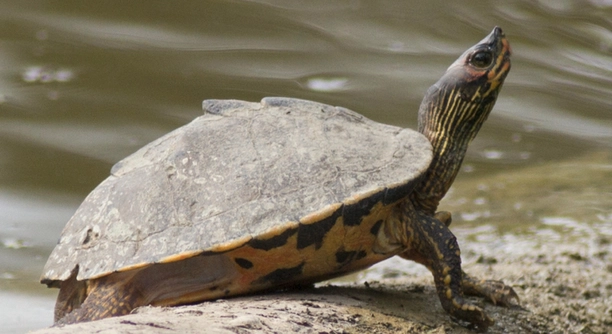
Is your Indian roofed tortoise showing signs of sluggishness or changes in behavior? Proper UVB lighting is crucial for their health, and knowing when to replace the bulb ensures they receive the necessary light for bone strength and overall well-being.
The most reliable way to determine if your tortoise needs a new UVB bulb is by tracking its lifespan and observing behavioral changes. UVB bulbs lose effectiveness over time, usually after six months, leading to issues like weakened shells, lethargy, and appetite loss.
Aging bulbs may not provide the required UVB exposure, even if they still emit light. Understanding the signs of a failing bulb will help you maintain your tortoise’s health and prevent potential complications.
Signs Your UVB Bulb Needs Replacing
UVB bulbs may still shine, but that does not mean they are working properly. Over time, they lose their effectiveness, leading to a lack of essential UVB exposure. If your tortoise becomes less active, has trouble eating, or starts developing a softer shell, the bulb may not be providing enough UVB. Another sign is if your tortoise spends more time basking than usual, trying to absorb as much light as possible. Keeping track of when you installed the bulb is important, as most should be replaced every six months to maintain proper lighting levels.
Aging UVB bulbs may also cause your tortoise’s shell to appear dull or develop deformities over time. If you notice changes in appearance or unusual behavior, it is a sign the bulb is no longer effective. Replacing it on time ensures your tortoise stays strong and healthy.
Monitoring your tortoise’s activity, appetite, and shell condition will help you determine when a new bulb is needed. Even if a bulb is still producing light, it might not be providing the necessary UVB rays. Checking the manufacturer’s guidelines and setting reminders for replacement can prevent potential health problems before they start. Proper lighting keeps your tortoise thriving and supports long-term well-being.
Choosing the Right UVB Bulb
Not all UVB bulbs are the same, and picking the right one is important for your tortoise’s health. Some bulbs provide higher UVB output than others, so selecting the right strength for your tortoise’s enclosure is necessary.
Fluorescent tubes and compact bulbs are the most common options. Fluorescent tubes are ideal for larger enclosures, as they cover a wider area. Compact bulbs work well for smaller tanks but should be positioned correctly to ensure your tortoise receives enough exposure. Mercury vapor bulbs provide both heat and UVB, making them a good choice for larger setups. Checking the UVB percentage on the packaging helps determine if the bulb meets your tortoise’s needs. A 5% to 10% UVB output is typically recommended.
Proper placement is also essential. The bulb should be positioned at the correct distance from your tortoise, usually 10 to 12 inches away, depending on the bulb type. Using a UVB meter can help measure the light’s effectiveness over time. Regularly replacing the bulb, even if it still emits light, ensures your tortoise gets the necessary exposure to stay healthy.
Proper UVB Bulb Maintenance
Dust and debris can block UVB rays, reducing the bulb’s effectiveness. Wiping the bulb with a dry cloth every few weeks helps maintain proper output. Avoid using water or cleaning chemicals, as they may damage the bulb or reduce its lifespan.
Positioning the bulb correctly ensures your tortoise receives enough exposure. Placing it too far away weakens its effect, while placing it too close may cause overheating. Most bulbs should be mounted 10 to 12 inches above the basking spot. Checking the manufacturer’s recommendations will help you find the best placement. If your tortoise is not basking under the light, adjusting the positioning might encourage better absorption.
Keeping track of the bulb’s usage prevents unexpected failures. Writing the installation date on a calendar helps ensure timely replacements. UVB bulbs weaken over time, even if they still emit light. Setting reminders every six months prevents gaps in exposure, reducing the risk of health issues.
Common Mistakes to Avoid
Using a regular household bulb instead of a proper UVB bulb will not provide the necessary light for your tortoise. UVB is essential for calcium absorption, and without it, your tortoise may develop metabolic bone disease. Always check that the bulb is designed specifically for reptiles.
Leaving the UVB bulb on 24/7 can disrupt your tortoise’s natural cycle. They need a balance of light and darkness to regulate their behavior. Keeping the bulb on for 10 to 12 hours a day is ideal. A timer can help maintain a consistent schedule, preventing stress and overexposure.
Not replacing the bulb regularly is another common mistake. Even though the light remains on, UVB output decreases over time. Ignoring replacement schedules can lead to long-term health issues. Using a UVB meter or following manufacturer guidelines ensures your tortoise gets the right exposure. Proper care and maintenance keep your tortoise healthy and prevent avoidable problems.
How Environment Affects UVB Absorption
Glass and plastic block UVB rays, reducing their effectiveness. If your tortoise’s enclosure has a lid or is near a window, UVB exposure may be limited. Placing the bulb inside the enclosure, rather than on top of a screen, ensures better absorption.
Humidity and temperature also play a role in UVB effectiveness. If the basking area is too cold, your tortoise may not spend enough time under the light. Ensuring the enclosure has the right temperature gradient encourages proper basking behavior and improves UVB absorption.
Checking UVB Levels in Your Tortoise’s Habitat
A UVB meter is the most reliable way to measure light levels in your tortoise’s enclosure. These devices detect how much UVB is reaching the basking area, helping you determine if the bulb is still effective. Regularly testing the levels ensures your tortoise is getting the right amount of exposure.
Final Thoughts
Providing proper UVB lighting is essential for your tortoise’s health. Monitoring bulb effectiveness, replacing it on time, and ensuring proper placement help prevent health issues. Taking simple steps to maintain UVB exposure keeps your tortoise strong, active, and healthy.
FAQ
How often should I replace my tortoise’s UVB bulb?
Most UVB bulbs should be replaced every six months, even if they are still producing light. Over time, their UVB output weakens, making them less effective. Marking the installation date on a calendar helps ensure timely replacements and consistent exposure for your tortoise.
Can I use any type of light bulb for UVB?
Regular household bulbs do not produce UVB and will not support your tortoise’s health. Only bulbs specifically designed for reptiles provide the necessary UVB rays. Look for fluorescent tubes, compact UVB bulbs, or mercury vapor bulbs to ensure proper exposure.
How do I know if my tortoise is not getting enough UVB?
Signs of low UVB exposure include lethargy, soft or deformed shells, and a lack of appetite. Your tortoise may also bask excessively, trying to absorb more light. If these signs appear, check the age and placement of your UVB bulb and replace it if necessary.
Does UVB light work through glass or plastic?
UVB rays cannot pass through glass or plastic. If your tortoise’s enclosure has a glass or plastic lid, the UVB light may be blocked. Positioning the bulb inside the enclosure ensures your tortoise receives the full benefits of UVB exposure.
How many hours a day should the UVB light be on?
UVB lights should be on for 10 to 12 hours a day to mimic natural sunlight. Keeping a consistent schedule helps maintain your tortoise’s daily rhythm. Using a timer can make it easier to regulate light exposure without forgetting to turn it on or off.
Can my tortoise get too much UVB?
While proper UVB exposure is essential, excessive UVB can cause eye irritation or skin problems. Make sure the bulb is positioned at the correct distance, typically 10 to 12 inches away from the basking spot. Following manufacturer guidelines helps prevent overexposure.
Do mercury vapor bulbs provide enough UVB?
Mercury vapor bulbs provide both heat and UVB, making them a great option for larger enclosures. They last longer than standard fluorescent UVB bulbs and can be a convenient choice if you want to combine lighting and heating in one fixture.
How can I test if my UVB bulb is still working?
A UVB meter is the best way to measure the bulb’s effectiveness. These devices detect the level of UVB reaching the basking area. If you do not have a meter, replacing the bulb every six months ensures your tortoise continues to receive proper exposure.
Can I use a UVB bulb designed for other reptiles?
Not all reptiles require the same UVB levels. Some species, like desert-dwelling reptiles, need stronger UVB output than an Indian roofed tortoise. Choosing a bulb with a 5% to 10% UVB output is ideal for your tortoise’s needs.
Should I place the UVB bulb above the enclosure or inside it?
Placing the UVB bulb inside the enclosure ensures better exposure, especially if your enclosure has a mesh top. If placed outside, the mesh can block some of the UVB rays. Mounting the bulb at the correct height helps maximize its effectiveness.
What happens if my tortoise does not get enough UVB?
Lack of UVB can lead to metabolic bone disease, causing weak bones, deformities, and mobility issues. Tortoises rely on UVB to synthesize vitamin D3, which is essential for calcium absorption. Without it, serious health problems can develop over time.
Can I use sunlight instead of a UVB bulb?
Natural sunlight is the best source of UVB, but it must be unfiltered. If your tortoise gets regular outdoor time in direct sunlight, a UVB bulb may not be needed as often. However, for indoor enclosures, a UVB bulb is essential year-round.
Final Thoughts
Providing the right UVB lighting is essential for your Indian roofed tortoise’s health. Without enough UVB, your tortoise cannot properly absorb calcium, which can lead to weak bones, shell deformities, and serious health issues. Even if a UVB bulb still produces visible light, its effectiveness decreases over time. Replacing the bulb every six months ensures your tortoise continues receiving the necessary exposure. Monitoring signs of low UVB, such as lethargy or a soft shell, can help you catch potential problems early. Keeping track of when you last replaced the bulb and setting reminders will help maintain a consistent lighting schedule.
Proper placement and maintenance of the UVB bulb are just as important as replacing it on time. Bulbs should be positioned at the correct distance to allow your tortoise to absorb enough UVB. Placing the bulb too far away reduces its effectiveness, while placing it too close may cause overheating or excessive exposure. Regularly cleaning the bulb and ensuring nothing blocks the light, such as glass or plastic lids, will maximize its benefits. If you are unsure whether your tortoise is receiving enough UVB, using a UVB meter can help measure the light levels. Simple adjustments, like changing the bulb’s position or upgrading to a stronger UVB source, can make a big difference in your tortoise’s well-being.
Caring for an Indian roofed tortoise means creating the best possible environment for them to thrive. Along with a proper UVB setup, maintaining a balanced diet, providing a clean habitat, and ensuring the right temperature and humidity levels all contribute to their overall health. While keeping up with UVB bulb replacements might seem like a small task, it plays a major role in preventing long-term health issues. Taking the time to check your setup, replace bulbs when needed, and monitor your tortoise’s behavior will help ensure they stay strong and active for years to come.

Hello,
If you enjoy the content that we create, please consider saying a "Thank You!" by leaving a tip.
Every little bit helps us continue crafting quality advice that supports the health, happiness, and well-being of pets around the world, for pets of all shapes, sizes, and species.
We really appreciate the kindness and support that you show us!