
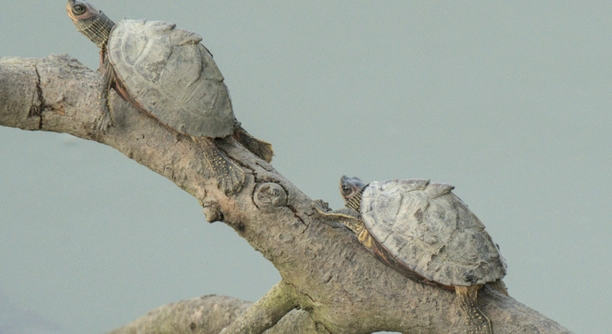
It can be concerning when your Indian roofed tortoise seems to be a little too thin. Keeping track of its health is important, and knowing when it’s underweight can make a big difference. A healthy tortoise thrives when given proper care.
An Indian roofed tortoise is considered underweight if it has noticeable weight loss, a sunken shell, or visible ribs. Signs include lethargy, lack of appetite, or poor activity levels, indicating a need for proper nutrition and environmental adjustments.
Proper feeding and environmental changes are key in fixing this issue. Ensuring your tortoise gets the right balance of nutrients and a suitable living space can improve its health.
Signs Your Indian Roofed Tortoise Is Underweight
It’s important to keep an eye on your tortoise to spot if it’s underweight. When it’s underfed or stressed, it can lead to visible signs like a noticeable drop in weight. A healthy tortoise should have a rounded, firm shell, with no visible bones. If you notice your tortoise moving slower or eating less, it’s a warning sign. Additionally, check if the ribs or spine become visible or if the shell appears sunken. These can be signs of malnutrition or improper care, and they should not be ignored. Pay attention to how your tortoise acts, as behavior changes often indicate health issues.
If you spot these signs, it’s essential to take action quickly. You should also monitor its diet, hydration levels, and temperature. These factors play a huge role in its overall well-being.
Even a small change in your tortoise’s environment can make a big difference. If you improve its diet, ensure proper temperatures, and offer more sunlight, your tortoise will likely gain weight. Additionally, regular check-ups are helpful to address any underlying health problems. Early action can prevent the issue from worsening.
Check the Diet
Your tortoise’s diet plays a big role in its weight. Make sure it’s getting enough variety of food, including leafy greens, vegetables, and the occasional fruit. Too much fruit can cause digestive issues, so it’s best to stick to a balanced mix. You can also offer plant-based foods like dandelion greens or clover.
A high-quality tortoise pellet can supplement its diet. Make sure it’s specifically designed for the species. These pellets are packed with essential vitamins and minerals that your tortoise might not get from its usual food. This ensures it stays healthy and has the energy to grow and thrive.
Feeding your tortoise daily and in the right amounts is key. Overfeeding can lead to obesity, while underfeeding can leave it underweight. It’s all about balance. Make sure to feed your tortoise at a consistent time each day. This helps its digestion and keeps its metabolism healthy.
Hydration Is Key
Dehydration is a common cause of weight loss in tortoises. Ensure your tortoise always has access to fresh water. A shallow dish works best, so it can drink and soak comfortably. This also supports its skin and shell health.
Tortoises also hydrate through food, especially water-rich vegetables like cucumber and zucchini. If your tortoise is underweight, you might notice it’s not drinking enough. In such cases, try soaking your tortoise in lukewarm water for 15 to 20 minutes. This will help it absorb moisture and encourage hydration.
Proper hydration is essential for digestion and overall function. If your tortoise remains underweight despite a balanced diet, check its water intake. A hydrated tortoise is more likely to recover from weight loss and regain its normal activity levels. Keep the water dish clean and replace it regularly.
Temperature and Lighting
Your tortoise needs the right temperature to digest food and stay active. Make sure its habitat has a warm side (90°F to 95°F) and a cooler side (75°F to 80°F). This allows your tortoise to regulate its body temperature.
Provide UVB lighting to help it synthesize Vitamin D3, which is crucial for calcium absorption and shell health. Without proper lighting, your tortoise may suffer from weakened bones and overall weakness. A 12-hour day and night cycle helps keep its body clock in check.
Offer Supplements
If your tortoise is underweight, supplements may help it gain nutrients it’s missing. A calcium supplement is vital for its bone health. You can sprinkle it on food a few times a week.
There are also multivitamin supplements made specifically for tortoises. Use these if your tortoise’s diet lacks certain nutrients. Be cautious, though, and don’t over-supplement, as it can cause more harm than good. Always follow the recommended dosage.
Evaluate the Habitat
Ensure your tortoise’s habitat is spacious enough to roam and exercise. If it’s too small, it may not be getting enough physical activity, which can affect its weight.
Provide different textures like rocks or logs for climbing. This will help it stay active and avoid becoming lethargic. A larger, enriching environment encourages your tortoise to explore, leading to a healthier weight and better overall health.
FAQ
What is the ideal weight for an Indian roofed tortoise?
The ideal weight for an Indian roofed tortoise depends on its age and size. Generally, adult tortoises weigh around 2 to 4 kilograms. Juveniles should weigh less, typically around 200 to 500 grams. You can compare your tortoise’s weight with others of similar age and size to see if it’s underweight. If you notice your tortoise’s weight seems too low, it’s best to seek veterinary advice for guidance on how to help it gain weight healthily.
How often should I feed my tortoise?
Feed your tortoise once a day. The amount depends on its size, but usually, it should get enough food to fill up in one sitting without leaving excess. Too little food can lead to weight loss, while overfeeding can cause obesity. Stick to a balanced diet of leafy greens, vegetables, and occasional fruits. If your tortoise seems to lose weight, consider offering more food or varying the types of food to make sure it’s getting all the nutrients it needs.
Can a tortoise’s environment cause it to lose weight?
Yes, an improper environment can lead to weight loss. If your tortoise’s habitat is too cold or too hot, it may become stressed and stop eating properly. A temperature gradient with a warm basking area (90°F to 95°F) and a cooler area (75°F to 80°F) is essential for digestion. If the lighting is inadequate, it can affect your tortoise’s ability to absorb nutrients, leading to weight loss. Regularly check your tortoise’s habitat to ensure it’s the right temperature, has UVB lighting, and is large enough for it to roam.
What are some common signs my tortoise is underweight?
Common signs include a sunken shell, visible ribs, lethargy, and lack of appetite. If your tortoise is underweight, you may notice it moving slower than usual or showing less interest in its food. You might also see weight loss over time. These signs indicate that your tortoise isn’t getting the proper nutrition or care it needs, and action should be taken immediately to address the issue.
How can I help my tortoise gain weight?
To help your tortoise gain weight, focus on providing a balanced diet of leafy greens, vegetables, and occasional fruits. Add a high-quality tortoise pellet to supplement its diet with essential vitamins and minerals. Ensure it has a proper environment, including UVB lighting and appropriate temperatures. Keep it hydrated and provide extra moisture by soaking it in warm water. Offering calcium and multivitamin supplements might also help address any deficiencies in its diet.
Can overfeeding cause weight problems for a tortoise?
Yes, overfeeding can lead to obesity, which is just as dangerous as being underweight. Tortoises can become lazy and less active if they’re fed too much, which prevents them from burning off excess fat. Overfed tortoises might also develop health issues such as shell deformities and organ problems. It’s important to stick to a proper feeding schedule, adjusting portion sizes to fit your tortoise’s size, activity level, and age.
Should I supplement my tortoise’s diet with vitamins and minerals?
Supplements can help your tortoise if its diet is lacking in essential nutrients. Calcium supplements are especially important for maintaining a strong shell and bones. A multivitamin designed for tortoises can also be useful, but only use them as directed. Too much supplementation can cause health problems, so always follow the recommended dosage and monitor your tortoise’s health.
Is it necessary to take my tortoise to the vet if it’s underweight?
If your tortoise is showing signs of being underweight and you’ve tried adjusting its diet and environment without improvement, it’s important to consult a vet. There may be underlying health issues that need professional care. A vet will be able to perform a physical exam and recommend the right treatments or adjustments to help your tortoise regain its weight and health.
What are the consequences of not addressing an underweight tortoise?
Ignoring an underweight tortoise can lead to long-term health issues, including a weakened immune system, poor shell growth, and digestive problems. If the tortoise continues to lose weight, it may become more susceptible to infections and diseases. The lack of proper nutrition can affect its organ function, making it harder for the tortoise to recover even if the diet and environment improve later on.
Can temperature fluctuations affect my tortoise’s weight?
Yes, temperature fluctuations can impact your tortoise’s appetite and ability to digest food properly. If it’s too cold, your tortoise might not feel hungry, which can lead to weight loss. If it’s too hot, your tortoise may become stressed and stop eating. A stable temperature range between 75°F and 95°F is crucial for proper digestion and overall health. Ensure the temperature in your tortoise’s enclosure remains consistent to support its appetite and weight maintenance.
Final Thoughts
Taking care of an Indian roofed tortoise requires attention to its diet, environment, and overall health. If you notice signs that your tortoise is underweight, it’s important to act quickly. Underweight tortoises may not have enough energy for normal activities and can become more susceptible to health problems. By monitoring its diet and environment closely, you can ensure it has everything it needs to thrive. A balanced diet, proper hydration, and a suitable habitat are all crucial components to keeping your tortoise healthy and at a good weight.
The right temperature, UVB lighting, and enough space to move around are just as important as what your tortoise eats. If your tortoise is not getting enough sunlight or its enclosure is too small, it can affect its ability to digest food properly and maintain a healthy weight. It’s essential to provide an environment where your tortoise feels safe, comfortable, and able to regulate its body temperature. If you make sure to meet these needs, it will be much easier for your tortoise to stay at a healthy weight and maintain overall well-being.
If you’ve tried adjusting your tortoise’s diet and environment without seeing any improvement in its weight, it may be time to seek help from a vet. A professional can provide more specific guidance tailored to your tortoise’s health and help address any underlying issues. With the right care and attention, your Indian roofed tortoise can regain its strength, health, and proper weight. By staying vigilant and proactive, you can ensure that your tortoise leads a happy, healthy life for years to come.

Hello,
If you enjoy the content that we create, please consider saying a "Thank You!" by leaving a tip.
Every little bit helps us continue crafting quality advice that supports the health, happiness, and well-being of pets around the world, for pets of all shapes, sizes, and species.
We really appreciate the kindness and support that you show us!