
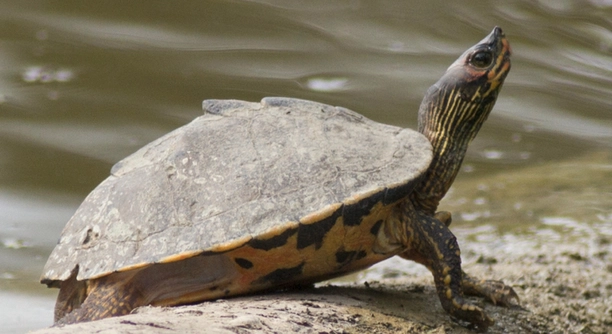
It’s important to keep your Indian Roofed Tortoise comfortable, especially when it comes to temperature. If they become too hot, it can cause stress and health problems. Here’s what you need to know about managing their warmth.
An Indian Roofed Tortoise can become overheated when exposed to high temperatures for extended periods. Signs of overheating include lethargy, shallow breathing, and seeking cooler spots. Ensure they have access to a shaded area and plenty of water.
Understanding these signs is essential for preventing heat-related issues and ensuring your tortoise’s well-being. It’s easy to manage once you know the basics.
Signs Your Indian Roofed Tortoise Is Too Hot
An Indian Roofed Tortoise will show clear signs when they are too hot. The most common symptoms include heavy breathing, lack of movement, and staying in one spot for too long. These behaviors are their way of conserving energy while trying to regulate their temperature. It’s important to monitor your tortoise’s environment carefully. If they are exposed to heat for too long, they may become lethargic and not eat or drink as much. A healthy tortoise will move around and actively search for food or water. Pay attention to these changes in behavior to prevent heat stress. You should also avoid placing them directly under a heat lamp for extended periods.
If you notice these signs, take immediate action. Remove the heat source and provide a cooler area for your tortoise to rest. Always have access to fresh water nearby, as dehydration can quickly set in.
Managing their environment will help prevent overheating and ensure they remain healthy.
How Heat Affects Your Tortoise’s Health
Heat can affect your Indian Roofed Tortoise in more ways than one. Overheating can lead to dehydration, stress, and even organ failure if left unaddressed. Tortoises are ectothermic, which means they rely on their environment to regulate their body temperature. If the heat becomes excessive, it can interfere with their natural processes. When too hot, their metabolism speeds up, which leads to energy depletion. This can cause a decrease in appetite, making it harder for them to maintain their weight and strength.
Keeping your tortoise’s temperature under control is essential for long-term health. A proper temperature gradient within their habitat, ranging from a basking spot to cooler shaded areas, is important. These areas allow your tortoise to choose their preferred temperature and avoid overheating. By monitoring the humidity as well, you can create a more balanced and supportive environment. Adjusting the temperature and making sure they always have access to cooler spaces can prevent serious health issues from developing.
Creating the Right Temperature Range
Providing the correct temperature range for your tortoise is crucial. You should have a warm basking area, a cooler shaded space, and a spot where they can retreat if they need to cool down. This balance helps your tortoise regulate its body temperature more effectively.
A basking area should be around 90-95°F (32-35°C). The cooler side should be between 75-85°F (24-29°C). Having a gradient lets your tortoise choose where it feels most comfortable. It’s important not to make the habitat too hot or too cold. Maintaining this range will help your tortoise stay active and healthy, avoiding the stress that comes from extreme temperatures.
A thermometer is a must for monitoring your tortoise’s environment. Use it in both the warm and cool areas. This will give you a clear idea of whether you’re maintaining the right temperature and ensure your tortoise isn’t exposed to unnecessary heat. If the temperature spikes too high, it’s important to act quickly and adjust the setup to avoid causing heat stress.
Hydration and Cooling Techniques
Your tortoise needs access to fresh, cool water at all times, especially when it’s hot. Dehydration is a serious risk when temperatures are too high, and it can lead to various health problems. Make sure the water is shallow enough for them to drink easily.
You can also use a shallow water dish for soaking, which can help them cool off. Providing a humid hide can also be effective for cooling them down. This helps in maintaining hydration levels and regulating body temperature. A misting system can add extra humidity to the environment, which also aids in cooling down the habitat naturally. By making small changes, like adding fresh water or misting their enclosure, you help your tortoise stay cool.
Monitoring Behavior Changes
If your tortoise is too hot, you will see behavior changes. They may be less active, not eating, or trying to escape their habitat in search of cooler areas. This is a sign that they are uncomfortable and trying to regulate their body temperature.
You may also notice them digging or burrowing more than usual. This is their way of seeking cooler ground. These behaviors indicate the need for adjustments in the environment. Keeping a close eye on your tortoise will help you catch signs of overheating early and act accordingly.
The Importance of Shade
Shade is just as important as heat for your tortoise. They need areas where they can escape the direct sunlight, especially during the hottest part of the day. Without shade, your tortoise can quickly overheat.
Providing a shaded area within their habitat gives them the ability to move away from the heat when necessary. You can achieve this with natural elements like plants or by using a shaded cover. This ensures they have a balanced environment to thrive in.
Adjusting Heat Lamps
Heat lamps can be very useful for maintaining warmth, but if set too high, they can overheat your tortoise. Make sure the heat lamp is positioned correctly and does not create hot spots in the enclosure. The warmth should be concentrated in one area, leaving cooler spaces for your tortoise to roam.
Check the lamp regularly to ensure it’s not too intense. Overheating from an improperly placed heat lamp can be dangerous for your tortoise. Keeping the lamp at the right distance ensures your tortoise gets the warmth it needs without being exposed to excessive heat.
FAQ
How do I know if my tortoise is too hot?
If your Indian Roofed Tortoise is too hot, it will show signs of discomfort. Look for behaviors like lethargy, shallow breathing, or staying in one spot for a long time. They might seek out cooler places, such as hiding in the shade or burrowing. Another sign is a lack of appetite; your tortoise might refuse food when overheated. Pay attention to their overall energy levels, as overheating can cause them to feel weak or sluggish. Keeping a thermometer in their enclosure will help you monitor temperatures and prevent overheating before it becomes a serious issue.
What temperature should I keep my tortoise’s enclosure?
Your tortoise needs a temperature gradient within its enclosure. The basking area should be around 90-95°F (32-35°C), while the cooler side should be between 75-85°F (24-29°C). This allows your tortoise to regulate its body temperature by moving to different areas based on its needs. The ambient temperature should not exceed 95°F (35°C) for prolonged periods, as this can lead to overheating. Be sure to check the temperature regularly with a thermometer to ensure the environment stays within the safe range.
Can I use a heat lamp for my tortoise’s enclosure?
Yes, a heat lamp is commonly used to provide warmth for your tortoise. However, the lamp must be placed carefully. Keep the lamp around 12-18 inches above the basking area to ensure that the heat doesn’t become too intense. Make sure there is a cooler area in the enclosure where your tortoise can retreat if it gets too warm. A heat lamp should not heat the entire enclosure; instead, it should create a warm spot with cooler areas for your tortoise to choose from.
How often should I check the temperature in the enclosure?
It’s important to check the temperature daily. Having a reliable thermometer in both the basking area and the cooler area will help you monitor the temperature fluctuations. You should also check for any hot spots that could cause overheating. Be sure to adjust the temperature as needed, especially during seasonal changes or if you notice any sudden changes in your tortoise’s behavior. Regular checks help ensure that the environment remains suitable for your tortoise’s health.
What are some signs of heat stress in a tortoise?
Heat stress in a tortoise can manifest in several ways. Common signs include shallow, rapid breathing, refusal to eat, excessive panting, and seeking out cooler spots more frequently. If your tortoise appears sluggish, unsteady, or seems to be hiding constantly, it may be a result of overheating. In severe cases, heat stress can lead to dehydration or even heatstroke, which can be fatal. If you observe any of these symptoms, immediately remove the heat source and provide a cooler area with access to fresh water.
Can I leave my tortoise in the sun outside?
While natural sunlight is beneficial for your tortoise, it is important not to leave them in direct sunlight for extended periods, especially during the hottest part of the day. Your tortoise can overheat quickly if exposed to too much sun without the option to seek shade. Always provide a shaded area for your tortoise to retreat to when needed. It’s best to let them enjoy sunlight in shorter intervals to avoid heat stress. Keep an eye on the temperature and provide a safe, shaded retreat for them.
What should I do if my tortoise gets overheated?
If your tortoise gets too hot, the first thing to do is remove it from the heat source. Place it in a cooler, shaded area and offer fresh water. Allow it to cool down gradually, not too quickly, as sudden temperature changes can cause additional stress. Make sure there is a shallow water dish available for drinking and soaking. If symptoms of heat stress persist, such as rapid breathing or lethargy, seek veterinary advice. Keeping the enclosure at the correct temperature going forward will help prevent future overheating.
How can I prevent my tortoise from overheating?
Preventing overheating involves creating a temperature-controlled environment. Always provide a temperature gradient in the enclosure with a warm basking area and a cooler retreat. Ensure that the heat lamp is positioned correctly to avoid creating hot spots, and regularly check the temperature with a thermometer. Additionally, make sure your tortoise has access to fresh water at all times to stay hydrated. If you keep your tortoise outdoors, make sure there’s always access to shade, and avoid exposing them to direct sunlight for too long.
What are the best ways to cool my tortoise down?
If your tortoise starts to overheat, the best way to cool it down is to move it to a cooler area with shade and fresh water. You can gently mist the tortoise or provide a shallow soak in cool, clean water. Be careful not to shock the tortoise with too cold water, as this could cause further stress. The cooling process should be gradual. Make sure the environment stays within the appropriate temperature range once they have cooled down, and ensure that they have access to cooler areas regularly.
Can I use a fan to cool down my tortoise’s enclosure?
A fan can be useful for circulating air in the enclosure, which helps maintain a comfortable temperature. However, be careful not to place the fan directly on your tortoise, as it could cause them to become too cool or dry out their skin. A fan should be used to ensure air movement without creating a breeze that could stress the tortoise. Make sure the fan is not blowing directly on the tortoise’s basking area but rather helps circulate the overall air inside the enclosure.
Final Thoughts
Taking care of your Indian Roofed Tortoise involves ensuring its environment remains comfortable, especially when it comes to temperature. These tortoises are sensitive to heat, and if the temperature gets too high, they can quickly become stressed or ill. It’s essential to monitor the temperature regularly, paying close attention to any signs of overheating. By setting up a proper temperature gradient with a warm basking spot and a cooler retreat area, you allow your tortoise to regulate its body temperature naturally. This simple step goes a long way in keeping your tortoise healthy.
Providing plenty of water is also crucial for your tortoise’s well-being, particularly when it’s hot. Dehydration can be a serious problem if not addressed quickly. Having fresh water available at all times is a good practice, as well as providing a shallow dish for soaking. Soaking helps your tortoise stay hydrated and cool down when it gets too warm. These small adjustments will not only help your tortoise handle the heat better but also ensure its long-term health and happiness.
By keeping an eye on your tortoise’s behavior, such as noticing if it becomes less active or refuses to eat, you can detect any issues early. If your tortoise seems overheated, acting fast to provide a cooler environment will help prevent any severe health problems. The combination of the right temperature, water, and behavior monitoring will give your tortoise the best chance at living a healthy, comfortable life. It’s not difficult to create the perfect environment for your tortoise, and a little attention goes a long way in keeping them happy.

Hello,
If you enjoy the content that we create, please consider saying a "Thank You!" by leaving a tip.
Every little bit helps us continue crafting quality advice that supports the health, happiness, and well-being of pets around the world, for pets of all shapes, sizes, and species.
We really appreciate the kindness and support that you show us!