
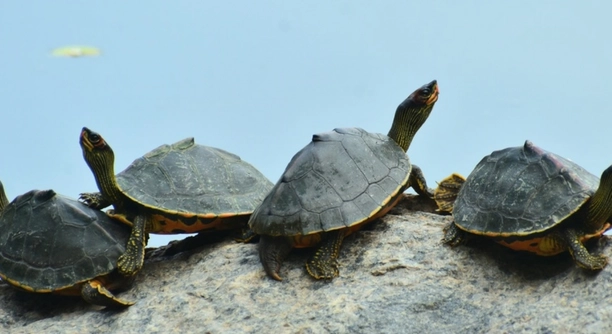
Indian Roofed Tortoises are fascinating pets, but like all animals, they can face health challenges. It’s important to stay aware of factors that could impact their well-being. Here’s a look at what might be affecting your tortoise.
Several factors can contribute to illness in Indian Roofed Tortoises, such as improper diet, incorrect humidity levels, inadequate lighting, or poor habitat conditions. Addressing these issues can help prevent sickness and ensure a long, healthy life for your pet.
By understanding these common causes, you can better care for your tortoise. The following sections will explore the main factors that could be affecting your pet’s health.
Incorrect Diet and Malnutrition
Feeding your Indian Roofed Tortoise the wrong types of food can have serious consequences. Their diet should primarily consist of leafy greens, vegetables, and some fruits. If they are given too much protein, dairy, or processed foods, it can cause digestive issues and poor health. Malnutrition, especially from a lack of calcium, can lead to shell deformities and weakened bones. Overfeeding or underfeeding can also result in obesity or stunted growth.
In the wild, tortoises have a varied diet based on what’s available in their environment. At home, it’s important to replicate that as closely as possible. Without the right nutrients, your tortoise’s immune system can weaken, making them more susceptible to infections and diseases. For a healthy tortoise, aim for a balanced diet rich in fiber, low in protein, and with added calcium for strong bones and shell growth.
Providing the correct diet is one of the most effective ways to ensure your tortoise stays healthy. Keep their meals varied, avoid high-protein foods, and always ensure they have access to clean water. Regularly check what you’re feeding them to ensure it meets their nutritional needs.
Improper Temperature and Humidity
A temperature imbalance in your tortoise’s habitat can cause stress, leading to illness.
The Indian Roofed Tortoise needs both a warm basking area and a cooler zone for their habitat. A temperature of 80-85°F is ideal during the day, with a basking spot reaching around 90-95°F. At night, the temperature should drop to 70°F. Consistently fluctuating temperatures can cause stress, weak immune responses, and digestive issues.
Humidity is another key factor to consider. Indian Roofed Tortoises come from tropical environments where humidity is high. A humidity level of 60-70% is important to prevent dehydration and aid in shedding. Without this, their skin and shells may dry out or become cracked, leading to long-term health issues. Regular misting and a shallow water dish can help maintain the necessary humidity levels.
When these factors are neglected, it becomes harder for your tortoise to digest food properly or regulate their body temperature. It’s crucial to create an environment that mimics the tropical habitat they thrive in.
Poor Lighting Conditions
Lighting plays a critical role in your tortoise’s health.
Without proper UVB lighting, they cannot absorb calcium correctly, which can lead to shell deformities and weakened bones. Tortoises require 10-12 hours of UVB light each day, which is essential for Vitamin D synthesis. If they are not exposed to this light, their health will deteriorate over time.
In the wild, tortoises receive sunlight throughout the day, allowing them to process calcium. Indoor lighting can replicate this, but it needs to be positioned correctly. Keep UVB lights close enough to provide full exposure, but avoid placing them too close to avoid overheating. A timer will help regulate day and night cycles.
Ensure your tortoise’s light is replaced regularly since UVB bulbs lose their effectiveness over time, even if they still appear to be working. Without the right lighting, your tortoise is at risk of developing severe health issues like metabolic bone disease.
Stress and Overhandling
Excessive handling can cause stress for your tortoise.
Being picked up too often can disturb their natural behavior, making them anxious and more susceptible to illness. Stress weakens the immune system, and over time, it can result in health complications. It’s important to respect your tortoise’s need for personal space.
Handling should be limited, especially when they are not used to it. If you do need to handle them, do it gently and avoid holding them for long periods. A stressed tortoise may refuse food, become lethargic, or even stop moving altogether. These signs indicate that your tortoise needs a quieter, more secure environment.
Additionally, introducing too many new things into their habitat too quickly can cause stress. Tortoises thrive in a calm, stable environment. Be mindful of sudden changes and always allow them time to adjust. Keeping their home quiet and consistent will help them feel safe and secure.
Inadequate Space and Enclosure
A cramped enclosure can make your tortoise feel stressed and hinder their ability to move freely.
Tortoises need plenty of space to roam and explore. A small or overcrowded enclosure can lead to physical and psychological problems. The enclosure should be large enough to provide hiding spots, basking areas, and a cool zone.
A proper enclosure also allows your tortoise to exercise and stretch its legs. This helps with digestion, prevents obesity, and promotes healthy shell growth. Make sure their living area is spacious, with both vertical and horizontal space for them to enjoy.
Poor Hygiene and Cleaning
Regular cleaning of your tortoise’s habitat is crucial for preventing bacterial infections.
If their enclosure isn’t cleaned often, waste buildup can cause serious health problems, like respiratory issues and skin infections. Clean the enclosure and replace bedding material weekly. Ensure that food and water containers are also cleaned regularly to avoid contamination.
Keeping the habitat clean is not just about tidying up—it’s essential for your tortoise’s well-being. A dirty environment can lead to stress, infections, and digestive problems. A clean space promotes a healthier, happier tortoise.
Parasites and Infections
Parasites, like worms and mites, can quickly make your tortoise sick.
Tortoises can pick up parasites from contaminated food or water, or from being exposed to infected animals. Symptoms of parasites include weight loss, lethargy, and lack of appetite. If you notice these signs, it’s important to seek veterinary care right away.
FAQ
What should I feed my Indian Roofed Tortoise?
Indian Roofed Tortoises thrive on a diet of leafy greens like dandelion greens, collard greens, and mustard greens. You can also offer vegetables such as squash, carrots, and bell peppers. Small amounts of fruit, like papaya or watermelon, can be given as treats. Avoid high-protein foods like meat, as this can lead to health issues. Calcium-rich foods, such as kale or bok choy, should be included regularly to promote healthy shell growth. Always ensure fresh, clean water is available.
How much space does my tortoise need?
Your Indian Roofed Tortoise needs a spacious enclosure to thrive. Ideally, their enclosure should be at least 4-6 times their length in width and length. A larger space allows them to roam, dig, and bask. A cramped environment can cause stress and prevent natural behaviors. For outdoor setups, make sure the area is secure, and they are protected from predators. Indoor enclosures should have areas for basking, hiding, and a cool zone for temperature regulation.
How do I maintain the right humidity for my tortoise?
Indian Roofed Tortoises require a humidity level of around 60-70% to stay healthy. Without proper humidity, they can suffer from dehydration and dry skin. To maintain humidity, mist their enclosure regularly, especially during hot weather. You can also place a shallow water dish inside their habitat, which will help increase the humidity as they drink and soak. Ensure that the humidity is not too high, as this can also cause health problems like respiratory infections. A hygrometer can help monitor the humidity levels in their environment.
What is the best temperature for my tortoise?
Your tortoise needs a temperature gradient in its habitat, with a warm basking spot and a cooler area. During the day, the basking area should be around 90-95°F (32-35°C), and the rest of the enclosure should range from 80-85°F (27-29°C). At night, temperatures can drop to around 70°F (21°C). A heat source like a ceramic heater or basking lamp can help maintain the proper temperature. Be sure to monitor the temperature regularly using a thermometer to prevent overheating or cold stress.
How often should I clean my tortoise’s enclosure?
You should clean your tortoise’s enclosure at least once a week. Spot cleaning daily is also helpful, especially if your tortoise defecates in specific areas. Removing uneaten food, soiled bedding, and waste will prevent bacterial growth. A thorough cleaning includes washing the entire enclosure with a reptile-safe disinfectant, replacing substrate material, and cleaning food and water containers. Keeping the habitat clean reduces the risk of infections and helps maintain a healthy environment for your tortoise.
What are signs that my tortoise is stressed?
If your tortoise is stressed, it may show signs such as lethargy, loss of appetite, or refusal to eat. It might also be more aggressive or try to escape its enclosure. Stress can be caused by factors like poor lighting, improper temperature, or frequent handling. In some cases, a stressed tortoise may start to develop health problems like respiratory infections or shell issues. If you notice these signs, try to adjust the environment and avoid overstimulating your tortoise.
How can I tell if my tortoise is sick?
A sick tortoise may display various signs, including lethargy, a lack of appetite, wheezing or coughing, discharge from the eyes or nose, and changes in their shell condition. If your tortoise’s shell appears soft, swollen, or deformed, this could indicate a calcium deficiency or infection. Diarrhea, swelling of the limbs, or irregular movements may also suggest illness. If you notice any of these symptoms, take your tortoise to a reptile vet immediately for proper diagnosis and treatment.
Can I keep more than one tortoise together?
Indian Roofed Tortoises can sometimes live with other tortoises if the enclosure is large enough to provide separate territories. However, male tortoises may become territorial and aggressive, especially during breeding season. It’s important to monitor them closely to ensure no fighting occurs. In cases where aggression arises, you may need to separate them. Additionally, make sure each tortoise has access to food, water, and basking spots to avoid competition and stress.
What is the best substrate for my tortoise’s enclosure?
The best substrate for an Indian Roofed Tortoise’s enclosure should be natural, easy to clean, and able to hold moisture. Popular options include coconut coir, organic soil, and reptile carpet. Avoid substrates like sand or gravel, as these can cause digestive issues if ingested. A deep layer of substrate allows for burrowing, which mimics their natural behavior. Make sure to spot clean daily and change the substrate regularly to maintain a clean, healthy environment.
How can I tell if my tortoise is dehydrated?
Dehydration in a tortoise can lead to a range of problems, including kidney issues and problems shedding. Signs of dehydration include a dry, cracked or shriveled skin appearance, sunken eyes, and a lack of interest in eating or drinking. If you notice these symptoms, increase the humidity in their environment and offer fresh water daily. A soak in warm water (no deeper than their shell height) can also help rehydrate them. If dehydration persists, seek veterinary care immediately.
Final Thoughts
Taking care of an Indian Roofed Tortoise requires more than just providing food and water. Their health depends on various factors like diet, habitat, temperature, and lighting. It’s important to ensure that their living space is large enough and offers different areas for basking, hiding, and cooling down. Tortoises are sensitive creatures, and even small changes in their environment can affect their well-being. By maintaining a stable, clean, and well-balanced habitat, you can help your tortoise thrive for many years.
One of the most important things to remember is that every tortoise is different. While general care guidelines are useful, each tortoise may have its own specific needs. Monitoring their behavior, eating habits, and physical condition will help you notice if something isn’t quite right. Early detection of issues like stress, illness, or environmental changes can help you address them before they become serious. A little attention and observation can go a long way in preventing health problems.
Finally, don’t hesitate to seek professional help if you’re ever unsure about your tortoise’s health or care. Reptile veterinarians are experienced in treating tortoises and can provide valuable advice if you’re unsure about any aspect of their care. With the right diet, a comfortable environment, and regular check-ups, your Indian Roofed Tortoise can live a long, healthy life. Taking the time to meet their needs will not only improve their quality of life but will also bring you joy as you watch them grow and flourish.

Hello,
If you enjoy the content that we create, please consider saying a "Thank You!" by leaving a tip.
Every little bit helps us continue crafting quality advice that supports the health, happiness, and well-being of pets around the world, for pets of all shapes, sizes, and species.
We really appreciate the kindness and support that you show us!