
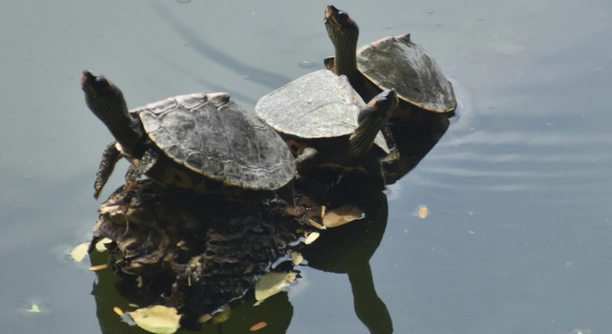
Is your Indian roofed tortoise acting differently, and you’re wondering if it’s preparing to lay eggs? Understanding the signs can help you provide the right care and create a comfortable environment for your tortoise during this crucial time.
Indian roofed tortoises ready to lay eggs often show increased digging behavior, restlessness, and a change in appetite. Providing a nesting area with soft, moist soil can help them lay eggs safely and reduce stress during this process.
Recognizing these signs early can make a significant difference in your tortoise’s well-being. Creating a supportive habitat ensures the egg-laying process goes smoothly and keeps your pet safe and comfortable.
Signs Your Indian Roofed Tortoise Is Ready to Lay Eggs
When your Indian roofed tortoise is preparing to lay eggs, you may notice a few clear changes in its behavior. One of the first signs is increased digging. Tortoises instinctively dig to create a safe spot for their eggs. You might see your tortoise spending more time scratching at the ground or attempting to burrow. Restlessness is another indicator. It may pace its enclosure or become more active than usual. Some tortoises also experience changes in appetite, either eating less or showing more interest in food. These signs typically appear a few weeks before egg-laying. Providing a suitable nesting area during this time is essential to ensure your tortoise feels secure. Soft, moist soil is ideal, as it mimics the natural environment where they would usually lay eggs. Observing these behaviors closely can help you prepare and support your tortoise through this process.
A tortoise ready to lay eggs may also become more sensitive to touch. You might notice it withdrawing more quickly or acting defensively. This behavior is normal and often linked to the physical stress of carrying eggs.
To help your tortoise, ensure it has a quiet, comfortable space with enough warmth and humidity. A well-prepared nesting area encourages safe egg-laying and prevents complications.
How to Set Up a Nesting Area
Creating a proper nesting area is crucial for a healthy egg-laying process. Without a suitable space, your tortoise may experience difficulty laying eggs, which can lead to health issues.
Start by choosing a section of the enclosure for the nesting area. Use a mix of soft soil and sand, ensuring it is moist enough to hold shape but not too wet. Aim for a depth of about 4 to 6 inches, giving your tortoise enough space to dig comfortably. Maintain a temperature of around 80 to 85°F (27 to 29°C) in this section to replicate natural conditions. Ensure the area is quiet and undisturbed to reduce stress.
Regularly check the nesting site for signs of digging or egg-laying. If your tortoise does not lay eggs despite showing nesting behaviors, consult a reptile veterinarian. Proper preparation can make the process easier and safer for your pet.
What to Expect During Egg-Laying
When your Indian roofed tortoise is ready to lay eggs, the process usually takes several hours. It will dig a hole using its back legs, carefully shaping the space. Once the eggs are laid, the tortoise will cover them with soil to protect them from predators and environmental changes.
During egg-laying, your tortoise may appear tired but will stay focused on completing the process. It is important not to disturb your tortoise while it is laying eggs. After laying, the tortoise will often rest and recover from the physical effort. Providing fresh water is essential during this time to keep your tortoise hydrated. Observe quietly from a distance to ensure the process is progressing without issues. If your tortoise seems distressed or struggles to lay eggs, consult a veterinarian experienced with reptiles for further guidance.
Egg-laying frequency depends on age and environmental factors. Some tortoises lay eggs once or twice a year, while others may lay more frequently if conditions are ideal. Each clutch typically contains two to six eggs. Ensuring proper temperature, humidity, and a comfortable nesting area encourages a smooth egg-laying process. Regular observation can help you respond quickly to any concerns and provide the best care for your tortoise.
Caring for the Eggs
Once the eggs are laid, handle them carefully to avoid damaging them. If you plan to incubate the eggs, avoid rotating or shaking them. Mark the top of each egg with a pencil to maintain the correct orientation during the incubation period.
Create an incubation environment with consistent warmth and humidity. A temperature range of 82 to 86°F (28 to 30°C) is ideal for Indian roofed tortoise eggs. Use a mix of vermiculite and water in an incubator to maintain moisture. Check the eggs regularly for signs of mold or collapse. Proper conditions increase the chances of healthy hatchlings. Incubation typically lasts between 70 to 90 days, depending on temperature.
If you do not wish to incubate the eggs, you can safely discard them. Without proper incubation, the eggs will not develop. Always monitor your tortoise closely after egg-laying to ensure it remains healthy and returns to normal behavior. Providing balanced nutrition supports recovery and prepares your tortoise for future egg-laying.
Signs of Egg-Binding
Egg-binding occurs when a tortoise cannot lay its eggs. Common signs include restlessness without laying, swollen hind legs, and reduced appetite. You may also notice your tortoise straining or spending more time in the nesting area without producing eggs. Prompt action is necessary to prevent health risks.
If you suspect egg-binding, increase warmth and humidity in the enclosure to help the tortoise relax. Ensure your tortoise stays hydrated by offering fresh water. If the tortoise does not lay eggs within a few days, consult a veterinarian experienced in reptile care. Delayed treatment can lead to serious complications.
When to Contact a Veterinarian
Seek veterinary care if your tortoise shows signs of egg-binding or distress. A professional can perform imaging to detect eggs and provide treatments like calcium supplementation or gentle assistance if needed. Quick action supports your tortoise’s health and well-being.
FAQ
How long does it take for an Indian roofed tortoise to lay eggs?
The egg-laying process usually takes a few hours. Your tortoise will dig a hole, lay the eggs, and cover them with soil. From the start of digging to the final covering, the entire process may take anywhere from two to six hours.
How many eggs do Indian roofed tortoises lay?
Indian roofed tortoises typically lay between two to six eggs per clutch. Some tortoises may lay multiple clutches in a year if conditions are right. Proper diet, warmth, and a suitable nesting area increase the likelihood of healthy egg production.
What should I do if my tortoise doesn’t lay eggs?
If your tortoise shows signs of nesting but doesn’t lay eggs, check the enclosure’s temperature and humidity. Ensure there is a deep, soft area for digging. If no eggs appear within a few days and your tortoise seems restless, consult a veterinarian to rule out egg-binding.
How can I tell if my tortoise is egg-bound?
Signs of egg-binding include prolonged restlessness, frequent straining without laying, and swelling near the back legs. Other symptoms may include a lack of appetite and reduced energy. If you notice these behaviors, seek veterinary help promptly to prevent serious health issues.
Can Indian roofed tortoises lay eggs without mating?
Yes, female Indian roofed tortoises can lay eggs without mating. However, these eggs will be infertile and will not hatch. If your tortoise hasn’t been with a male, you can safely discard the eggs if you are not incubating them.
How do I set up an incubator for tortoise eggs?
To set up an incubator, use a plastic container filled with a moist mix of vermiculite and water. Keep the temperature between 82 to 86°F (28 to 30°C). Mark the top of each egg with a pencil to maintain orientation and check regularly for moisture and mold.
How long does it take for the eggs to hatch?
Indian roofed tortoise eggs usually hatch after 70 to 90 days. Temperature affects incubation time—warmer conditions speed up development, while cooler temperatures slow it down. Consistent warmth and humidity throughout the incubation process are essential for successful hatching.
Should I move the eggs after my tortoise lays them?
If the eggs are in a safe, warm spot, you can leave them undisturbed. If you need to move them, handle the eggs gently and avoid rotating them. Marking the top with a pencil helps keep them in the correct position during relocation.
What happens if the eggs don’t hatch?
If the eggs do not hatch after 90 days, check the temperature and humidity levels in the incubator. Eggs that collapse, develop mold, or emit a foul smell are likely not viable. If you are unsure, consult a reptile veterinarian for guidance.
How can I support my tortoise after laying eggs?
After laying eggs, your tortoise needs extra care. Provide fresh water and ensure it stays hydrated. Feed a balanced diet rich in calcium to replenish lost nutrients. Give your tortoise a quiet, comfortable space to rest and recover from the physical effort.
Final Thoughts
Caring for an Indian roofed tortoise during the egg-laying process requires attention to detail and a supportive environment. Recognizing early signs, such as increased digging and restlessness, helps you prepare for this important stage. Providing a proper nesting area with soft, moist soil encourages natural behavior and reduces stress. Monitoring your tortoise closely during this time allows you to spot any issues and respond quickly. With the right care, most tortoises lay their eggs without complications, ensuring a safe and comfortable experience.
Understanding the risks, like egg-binding, is also important. If your tortoise struggles to lay eggs or shows signs of distress, taking action early can prevent serious health problems. Creating a warm, quiet environment helps your tortoise relax, but sometimes professional care is necessary. Regular checkups with a veterinarian experienced in reptile care ensure your tortoise stays healthy before, during, and after egg-laying. Being prepared allows you to give your tortoise the best possible care when it needs it most.
Supporting your tortoise doesn’t end after the eggs are laid. Providing fresh water, a calcium-rich diet, and a peaceful recovery space helps your tortoise regain its strength. If you choose to incubate the eggs, maintaining consistent temperature and humidity increases the chances of hatching. Each stage of the egg-laying process requires patience and care. By understanding your tortoise’s needs, you can ensure a smooth, healthy experience while giving your pet the comfort and support it deserves.

Hello,
If you enjoy the content that we create, please consider saying a "Thank You!" by leaving a tip.
Every little bit helps us continue crafting quality advice that supports the health, happiness, and well-being of pets around the world, for pets of all shapes, sizes, and species.
We really appreciate the kindness and support that you show us!