
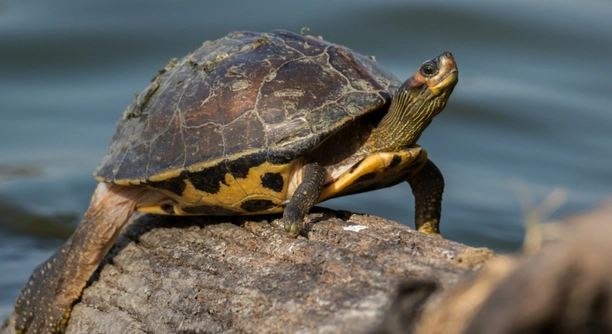
Many people enjoy having an Indian roofed tortoise as a pet. These reptiles can be very charming, but they need the right care to thrive. If you’re a proud owner, it’s important to know how to keep them comfortable.
The most effective way to make your Indian roofed tortoise feel more comfortable is by creating a safe, clean, and appropriately heated habitat. A proper diet and a suitable tank setup will also help ensure their overall well-being and happiness.
Providing your tortoise with the right environment is key to their health and comfort. There are simple changes you can make to improve their living conditions and make them feel more at ease.
Provide a Comfortable Habitat
A proper habitat is one of the most crucial factors in keeping your Indian roofed tortoise comfortable. They need a tank that allows them to move freely, with enough space to explore. The enclosure should be large enough for them to roam and hide when they feel the need to. A 40-gallon tank is often recommended for a single tortoise, but more space is always better.
In addition to space, make sure the enclosure includes areas for both dry and humid conditions. Tortoises need a basking area with a heat source to regulate their body temperature, and they also need access to a cool, humid area for hydration.
Creating a habitat that mimics their natural environment will help reduce stress and keep them healthy. Regularly clean the tank to prevent the buildup of waste and bacteria. Adding rocks, plants, or logs can provide enrichment, encouraging natural behaviors like climbing and burrowing, which are essential for their physical and mental well-being.
Keep the Environment at the Right Temperature
Maintaining the right temperature is essential for your tortoise’s comfort. Without it, they could become lethargic or even sick. Use a reliable thermometer to check both the basking area and the cooler side of the tank regularly.
Your tortoise needs a basking area that reaches 90-95°F during the day, with a cooler area of around 75°F. The temperature should drop slightly at night, ideally to around 70°F, to mimic the natural environment. This temperature gradient ensures your tortoise can regulate its body heat effectively. Without the right temperature, your tortoise may refuse to eat or exhibit signs of stress.
Make sure to use a heat lamp or ceramic heat emitter in the basking spot to maintain the warmth, but never place the heat source directly on the substrate. Monitor the temperature closely, and invest in a thermostat to prevent overheating. Proper heating is not only a comfort for your tortoise, but it’s also vital for their digestion and overall health.
Offer a Balanced Diet
A proper diet is key to your tortoise’s health and comfort. Provide a variety of fresh vegetables, fruits, and leafy greens. Avoid feeding them too many high-calcium foods like spinach, which can cause kidney issues. Ensure they have access to fresh water at all times.
The right food also plays a huge role in making your tortoise feel more comfortable. Leafy greens such as collard greens, dandelion greens, and turnip greens should make up most of their diet. You can occasionally feed them fruits like strawberries or melon, but these should be a small portion.
Supplying your tortoise with enough fiber through grasses and hay is essential for digestive health. It’s also important to avoid feeding them processed foods, as this can disrupt their natural eating habits. A balanced diet ensures they stay active, healthy, and content.
Provide UVB Lighting
UVB lighting is vital for your tortoise’s overall health, as it helps them produce vitamin D3. This vitamin is essential for calcium absorption, which supports their bone health. Without proper UVB exposure, your tortoise could suffer from metabolic bone disease.
Make sure the UVB light is positioned correctly in the tank, around 12-18 inches above your tortoise. Replace the bulbs regularly, as their UVB output diminishes over time. Natural sunlight is a great source of UVB, but if your tortoise isn’t exposed to it regularly, artificial lighting is necessary.
Ensure the light is on for 10-12 hours a day, mimicking the natural sunlight cycle. This will help maintain your tortoise’s circadian rhythm and overall comfort. Adding UVB lighting to the tank will not only improve their health but will also keep them active and energized.
Provide Hiding Spaces
Tortoises feel more secure when they have a space to hide. Adding small hiding spots, like a log or a small cave, will help your tortoise feel less stressed. They’ll appreciate the chance to retreat when they feel vulnerable.
You can use items like rocks, plants, or hides made of ceramic or wood. These provide shelter without taking up too much space. Make sure the hiding areas are easily accessible. If your tortoise feels too exposed, they may become anxious or withdrawn. Hiding spots help them stay calm and relaxed.
Regularly Clean the Habitat
Keeping the habitat clean is essential for your tortoise’s well-being. Waste, uneaten food, and dirty water can make your tortoise uncomfortable. Clean their tank, change the water daily, and remove leftover food. A clean environment reduces the risk of illness.
A regular cleaning schedule also prevents odors from building up. It’s best to clean the tank weekly by removing debris, disinfecting surfaces, and changing the substrate. This will ensure your tortoise has a healthy environment where they can thrive. Keeping things clean is simple but very effective for their comfort.
Keep the Humidity Level Right
Indian roofed tortoises need a proper balance of humidity to stay healthy. Too much humidity can lead to respiratory problems, while too little can cause dehydration. Aim for a humidity level of 50-60% in their habitat.
Regularly mist the enclosure to maintain this balance. Keep an eye on humidity using a hygrometer to ensure it’s within the recommended range. This will help your tortoise stay hydrated without risking health issues. Adjust the humidity as needed based on temperature and the season.
FAQ
What is the ideal tank size for an Indian roofed tortoise?
The ideal tank size for an Indian roofed tortoise depends on their age and size. A 40-gallon tank is a good starting point for a small tortoise. As they grow, a larger enclosure, up to 75-100 gallons, is necessary to give them enough space to move around comfortably. The tank should have both dry and humid areas for them to choose from, with plenty of hiding spots and a basking area.
What should I feed my Indian roofed tortoise?
An Indian roofed tortoise should be fed a varied diet that includes leafy greens like dandelion greens, collard greens, and turnip greens. You can also feed them occasional fruits like strawberries or melon in moderation. Offer them grasses and hay to maintain healthy digestion. Avoid feeding them high-protein foods, as this can cause health problems over time.
How often should I feed my tortoise?
Feed your Indian roofed tortoise every other day. As they are herbivores, they don’t need to be fed every day like some other pets. Overfeeding can lead to obesity and other health issues. You can adjust their diet based on their activity level, making sure they’re eating a balanced variety of foods.
How can I tell if my tortoise is dehydrated?
Signs of dehydration in an Indian roofed tortoise include lethargy, dry or wrinkled skin, and a lack of interest in food. If you notice any of these symptoms, offer water to your tortoise right away. You can also mist them lightly with water to help keep them hydrated. Ensure they always have access to fresh water.
Can I keep my tortoise outside?
Indian roofed tortoises can be kept outdoors in a secure, enclosed space during warmer months. Ensure the area is escape-proof and provides both sunny and shaded spots. Make sure the temperature and humidity are stable, as fluctuations can stress your tortoise. Avoid putting them outside in extreme weather conditions.
How much UVB light does my tortoise need?
Your Indian roofed tortoise needs 10-12 hours of UVB light daily. If they are not exposed to natural sunlight, invest in a good quality UVB light. Replace the bulb every 6-12 months, as its effectiveness decreases over time. Proper UVB lighting is crucial for calcium absorption and overall health.
What is the right temperature for my tortoise’s tank?
The basking area in your tortoise’s tank should be kept at 90-95°F, while the cooler side of the tank should be around 75°F. At night, the temperature can drop to around 70°F. Maintaining these temperatures allows your tortoise to regulate its body temperature, which is essential for digestion and overall health.
How can I prevent my tortoise from getting sick?
To prevent your Indian roofed tortoise from getting sick, maintain a clean habitat, offer a balanced diet, and provide the right temperature and UVB lighting. Regularly check for signs of illness, such as a lack of appetite or unusual behavior. Keeping their environment stable and healthy will minimize the risk of illness.
Do I need to give my tortoise supplements?
While a balanced diet can provide most of the nutrients your tortoise needs, calcium and vitamin D3 supplements may be necessary, especially if they are not getting enough UVB light. Calcium is crucial for bone health, and vitamin D3 helps with calcium absorption. Always consult a vet before adding supplements to their diet.
Why is my tortoise not eating?
There could be several reasons your tortoise isn’t eating. It may be due to temperature stress, improper lighting, or a lack of food variety. Check their environment to ensure it’s optimal. If the issue persists, it may be worth a visit to the vet to rule out health problems.
How do I handle my tortoise?
Indian roofed tortoises are not typically affectionate, but they can tolerate gentle handling. Always handle them with care, supporting their entire body. Avoid picking them up by their legs or shell, as this can cause stress or injury. Keep handling to a minimum to avoid making them feel threatened.
How can I tell if my tortoise is healthy?
A healthy tortoise is active, has clear eyes, and eats well. Their shell should be smooth and free from cracks or signs of disease. Healthy tortoises also drink regularly and maintain a steady weight. If you notice anything unusual, like a lack of appetite or abnormal behavior, consult a vet.
Can I keep multiple tortoises together?
While it’s possible to keep multiple Indian roofed tortoises together, it requires a large enough enclosure to prevent territorial disputes. Males, in particular, can be aggressive toward each other, so it’s better to keep only one male per enclosure. If you want to keep more than one, provide separate spaces for them to retreat when needed.
What is the lifespan of an Indian roofed tortoise?
Indian roofed tortoises can live for several decades, often up to 50 years or more if they are well cared for. Providing them with a proper diet, a clean environment, and the right lighting and temperature will help ensure they live a long, healthy life. Be prepared for a long-term commitment when caring for one.
What should I do if my tortoise flips over?
If your Indian roofed tortoise flips over, gently turn it back onto its feet. Check to see if they are injured or stressed. If they seem fine, allow them to resume their activities. Regularly check your tank setup to ensure there are no obstacles that could cause the tortoise to flip over.
How do I clean my tortoise’s tank?
To clean your tortoise’s tank, remove any waste and uneaten food daily. Weekly, clean the entire tank by wiping down surfaces and replacing the substrate. Disinfect the tank and any accessories using a reptile-safe cleaner to avoid harmful chemicals. Always provide fresh water and check for any mold or buildup.
Final Thoughts
Taking care of an Indian roofed tortoise can be a rewarding experience. By providing the right environment, food, and care, you’ll help them live a long and healthy life. It’s important to remember that these tortoises need a balanced diet of fresh vegetables, fruits, and grasses to stay in good shape. They also need a clean, spacious habitat with proper lighting and temperature to thrive. Keeping your tortoise comfortable requires regular attention to their living conditions, so be prepared to invest time and effort into maintaining a proper setup.
One of the most important aspects of keeping an Indian roofed tortoise is creating the right environment. This includes making sure the temperature in the enclosure is suitable and that they have access to both dry and humid areas. Proper UVB lighting is essential for their bone health, so ensure they get enough exposure to either natural sunlight or a quality UVB bulb. Regular cleaning of the habitat will help prevent the buildup of waste and bacteria, making your tortoise’s living space safe and comfortable. You can also add enrichment items like rocks and hides to keep your tortoise entertained and mentally stimulated.
By following the basic care guidelines, your tortoise can live a fulfilling and healthy life. Keep an eye on their behavior, diet, and health, and make adjustments as needed. Be patient, as tortoises can be slow to adapt to new changes. If you notice any signs of illness or discomfort, don’t hesitate to consult a veterinarian. With the right care, your Indian roofed tortoise can be a companion for many years, and watching them thrive can be a fulfilling experience.

Hello,
If you enjoy the content that we create, please consider saying a "Thank You!" by leaving a tip.
Every little bit helps us continue crafting quality advice that supports the health, happiness, and well-being of pets around the world, for pets of all shapes, sizes, and species.
We really appreciate the kindness and support that you show us!