
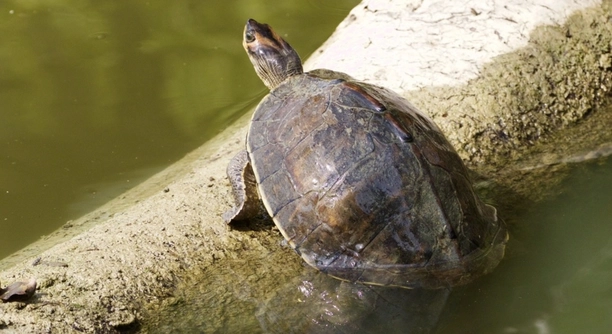
An Indian roofed tortoise enclosure is a vital part of your pet’s home. However, it can sometimes start to smell unpleasant, making it less inviting for both you and your tortoise.
To address this issue, regular cleaning, proper ventilation, and the use of absorbent materials in the enclosure are essential. Removing old food and waste daily, along with using natural deodorizers, will help maintain a fresher environment.
Making simple changes to your tortoise’s enclosure can drastically improve its smell. These fixes are easy and effective, ensuring both you and your tortoise stay comfortable.
Regular Cleaning is Key
One of the simplest fixes for a smelly tortoise enclosure is regular cleaning. Daily removal of uneaten food, waste, and soiled bedding can make a huge difference. Tortoises are known to be messy, and waste can quickly build up, leading to unpleasant odors. A quick cleaning routine every day ensures that the habitat stays fresh.
In addition to daily cleaning, deep cleaning should be done weekly. This involves washing the enclosure, wiping down surfaces, and replacing bedding material. Using a mild, pet-safe disinfectant can help eliminate bacteria and prevent bad smells from building up.
Keeping a consistent cleaning schedule not only reduces odors but also ensures your tortoise stays healthy. Bacteria from waste can cause health issues, so cleanliness is essential for your pet’s well-being. Keeping the enclosure neat will provide a more comfortable and hygienic space for your tortoise.
Proper Ventilation Matters
Ensuring proper ventilation in the enclosure is a simple yet effective fix for bad smells. Good airflow helps reduce humidity and prevent stagnant air, which can trap odors.
Adding a small fan or making sure the enclosure has enough air holes can keep the air circulating. Without airflow, moisture can build up, which encourages bacterial growth and unpleasant smells. Also, if the enclosure is kept in a room that’s not too humid, it will be easier to maintain fresh air quality.
By improving ventilation, you create a cleaner and healthier environment. This helps prevent mold and mildew, which can contribute to the smell. It also keeps the air breathable for both you and your tortoise. A few small adjustments to airflow can significantly improve the enclosure’s condition and reduce odors.
Use Absorbent Bedding
Using absorbent bedding in your tortoise’s enclosure can help control odors. Materials like coconut coir, aspen shavings, or paper pellets soak up moisture and waste, reducing the buildup of smell. Change the bedding regularly to keep it fresh.
Bedding materials that absorb moisture prevent a build-up of urine and waste, which is often the main source of odor. When the bedding holds moisture, it reduces the chances of bacteria and mold growing in the enclosure. This will make your tortoise’s home more comfortable and smell better.
If you notice the bedding starting to smell even after cleaning, it may be time to replace it entirely. Using natural, absorbent materials that are safe for your tortoise also helps maintain a healthier environment, reducing the risk of respiratory issues caused by damp or smelly bedding.
Remove Leftover Food
Tortoises are slow eaters, and food often gets left behind. Any uneaten food should be removed from the enclosure daily. Stale food can attract pests and cause foul odors quickly.
By removing leftover food promptly, you prevent it from decomposing and creating an unpleasant smell. Tortoises tend to eat large portions, and food that’s not eaten within a few hours can spoil. Regularly checking for any remaining food reduces waste buildup and keeps the habitat fresh.
Be mindful of how much food you offer your tortoise at once. Overfeeding may lead to more leftovers, which will eventually contribute to bad smells. Offering smaller portions more frequently can help avoid this issue.
Use Natural Deodorizers
Natural deodorizers like activated charcoal, baking soda, or cinnamon can help reduce odors in the tortoise enclosure. Place a small container of these materials in the enclosure to neutralize smells. They are safe and effective at absorbing odors without causing harm to your pet.
Activated charcoal works by absorbing moisture and odors, while baking soda helps neutralize acidic smells. Simply sprinkle a small amount in the corners of the enclosure, or place a dish with some charcoal or baking soda inside. They won’t interfere with your tortoise’s environment, and they’ll keep the space smelling better.
Proper Temperature and Humidity Control
Maintaining the right temperature and humidity levels can also play a role in keeping odors down. If the enclosure is too warm or humid, it can create a breeding ground for bacteria, which leads to smells.
Proper humidity levels prevent excessive moisture that causes the bedding and food to decay. Ensure the enclosure temperature is appropriate for your tortoise’s species. Consistent temperature and humidity levels help minimize the chance of bad odors forming and also promote your tortoise’s overall health.
Use a Liner for Easy Cleanup
Consider using a liner in your tortoise’s enclosure to make cleaning easier. Liners help catch waste and prevent it from soaking into the flooring, which can be harder to clean.
By adding a liner, you can easily remove waste and debris without having to scrub the entire surface. This reduces the time spent cleaning and helps maintain a cleaner, fresher environment for your tortoise. Liner options are available in various materials, so you can choose the one that best suits your enclosure and cleaning needs.
FAQ
What is the best bedding for an Indian roofed tortoise enclosure?
Coconut coir, aspen shavings, and paper pellets are some of the best bedding options for an Indian roofed tortoise enclosure. These materials are absorbent and help control moisture, which is crucial for preventing bad smells. Coconut coir is especially popular because it holds moisture well, while aspen shavings are lightweight and easy to clean. Paper pellets are another great option as they are soft and absorbent. It’s important to avoid cedar or pine shavings, as they can be harmful to your tortoise due to the oils they release.
How often should I clean the tortoise enclosure?
The enclosure should be cleaned daily by removing uneaten food, waste, and soiled bedding. This will help prevent the buildup of unpleasant odors and bacteria. Deep cleaning should be done weekly, which includes washing surfaces, wiping down walls, and changing the bedding completely. Deep cleaning every week ensures that your tortoise’s environment remains hygienic and comfortable.
Can I use commercial cleaners in my tortoise enclosure?
It’s best to avoid harsh commercial cleaners as they may contain chemicals that can harm your tortoise. If you need to disinfect surfaces, opt for pet-safe cleaners or a mild solution of vinegar and water. Vinegar is effective in neutralizing odors and is safe for your tortoise. Always make sure the enclosure is thoroughly rinsed and dried before placing your tortoise back inside.
Why does my tortoise’s enclosure smell even after cleaning?
There are several reasons your tortoise’s enclosure might still smell after cleaning. One possibility is that the bedding has become too saturated with moisture or urine, which can lead to persistent odors. Another issue could be inadequate ventilation, which traps smells and moisture in the enclosure. If you’re using absorbent bedding and the smell remains, check that the ventilation is sufficient and consider replacing the bedding entirely.
How can I improve ventilation in my tortoise’s enclosure?
Improving ventilation is essential for controlling odors in the enclosure. Make sure the enclosure has plenty of air holes to allow airflow. If the enclosure is enclosed, adding a small fan can help circulate air and prevent moisture buildup. Proper ventilation prevents stagnation, which helps reduce bad smells and keeps the air fresh for both you and your tortoise.
What kind of food should I feed my Indian roofed tortoise to prevent bad smells?
Feeding your tortoise a balanced diet of leafy greens, vegetables, and occasional fruit is important for overall health and can reduce waste-related odors. Avoid overfeeding, as excess food can lead to waste that may spoil and contribute to bad smells. Be sure to remove any uneaten food daily to prevent it from decomposing in the enclosure. Avoid feeding foods that are high in moisture, as they can contribute to increased humidity and unpleasant smells.
How do I prevent pests in my tortoise’s enclosure?
Pests like ants, flies, and mites can invade the enclosure if food or waste is left behind for too long. To prevent this, clean up any uneaten food daily, and replace soiled bedding regularly. You can also place a pest control trap outside the enclosure to keep bugs away. If pests are already present, it may be necessary to do a more thorough cleaning, including washing all surfaces and replacing bedding completely. Always ensure the enclosure remains dry to avoid attracting pests that thrive in moisture.
Can I use a deodorizer in my tortoise’s enclosure?
Natural deodorizers such as activated charcoal, baking soda, or cinnamon can help reduce odors in the enclosure. These materials are safe and effective at absorbing smells without harming your tortoise. Simply place small containers of these deodorizers in the corners of the enclosure to keep it smelling fresh. Avoid using chemical air fresheners, as they may release harmful fumes that could negatively affect your tortoise’s health.
How do I control humidity in the enclosure?
Controlling humidity is crucial for preventing odors and maintaining a healthy environment. The humidity level should be kept between 40-60% for an Indian roofed tortoise. You can adjust the humidity by adding a shallow water dish, but be sure it is not large enough to create a damp, stagnant environment. If the humidity is too high, consider adding a ventilation system to help reduce moisture buildup. If it’s too low, lightly mist the enclosure to maintain the proper humidity levels.
How do I know if the enclosure is too damp?
A damp enclosure will feel noticeably moist, and you might see condensation on the walls or inside surfaces. Excess moisture can cause bedding to become soggy, which can lead to a foul smell. If your tortoise’s habitat feels wet or clammy, it may be time to improve ventilation and reduce humidity levels. Make sure the water dish is not leaking, and avoid over-watering plants that may be inside the enclosure. Additionally, check the substrate for signs of mold or mildew, which indicate that the enclosure is too damp.
Final Thoughts
Keeping your Indian roofed tortoise’s enclosure fresh and clean doesn’t have to be difficult. Simple daily habits like removing leftover food and waste can make a huge difference in preventing bad smells. By setting aside a few minutes each day to clean the enclosure, you can ensure your tortoise lives in a more comfortable environment. The right bedding and natural deodorizers can also help maintain a fresher atmosphere. These small steps make a big difference in your tortoise’s living conditions.
In addition to cleaning, make sure the enclosure has proper ventilation and humidity control. Ventilation is key to preventing moisture buildup, which can lead to mold and bad smells. A well-ventilated space helps air circulate and keeps the environment fresh. Humidity control is also important to prevent excess moisture that could cause odors or health problems. Adjusting the humidity levels and adding a fan for airflow can keep your tortoise’s home in better condition. These environmental factors are just as important as the cleaning process.
Finally, keep an eye on your tortoise’s overall health and the condition of the enclosure. Regular cleaning and maintenance will not only reduce odors but will also help prevent any potential health issues. A healthy and clean enclosure is essential for your tortoise’s well-being. By taking simple steps like controlling food waste, using absorbent bedding, and ensuring proper airflow, you will create a better living space for your pet. Keeping a consistent routine of these fixes will ensure that both you and your tortoise enjoy a clean, fresh-smelling home.

Hello,
If you enjoy the content that we create, please consider saying a "Thank You!" by leaving a tip.
Every little bit helps us continue crafting quality advice that supports the health, happiness, and well-being of pets around the world, for pets of all shapes, sizes, and species.
We really appreciate the kindness and support that you show us!