
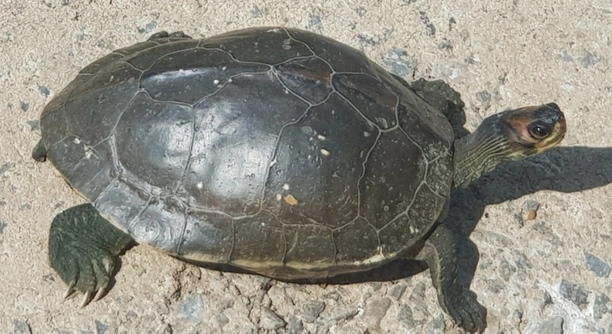
Do you ever find yourself worrying about your Indian Roofed Tortoise developing respiratory infections? These infections can be harmful, affecting their health and quality of life. Understanding how to prevent them is essential for keeping your tortoise happy and healthy.
The best way to prevent respiratory infections in Indian Roofed Tortoises is by maintaining proper humidity, providing a clean habitat, ensuring adequate warmth, and offering a balanced diet. These factors strengthen their immune system and help protect them from harmful bacteria and viruses.
From temperature control to diet adjustments, small changes can make a big difference in your tortoise’s well-being. Learning these methods will help you create a safer, healthier environment for your pet.
Maintain Proper Humidity Levels
Indian Roofed Tortoises need the right humidity to stay healthy. If the air is too dry, their respiratory system can become irritated, making them more likely to get infections. A humidity level between 60% and 80% is ideal for them. Use a hygrometer to check the humidity in their enclosure daily. If it’s too low, mist the habitat with water or add a humid hide. If it’s too high, improve ventilation to prevent mold and bacteria growth. Keeping the humidity in the right range helps support their respiratory health and keeps them comfortable.
A dry environment can cause dehydration and make it harder for a tortoise to clear mucus from its airways. This can lead to breathing problems and other health issues over time.
If you notice your tortoise breathing with its mouth open, wheezing, or becoming less active, the humidity level might be off. Making small adjustments can help prevent infections.
Keep Their Habitat Clean
A dirty enclosure can expose your tortoise to harmful bacteria, leading to respiratory infections. Regular cleaning removes waste, mold, and excess moisture, keeping their environment safe. Remove uneaten food daily, replace soiled bedding weekly, and disinfect the enclosure every month using a reptile-safe cleaner.
Good air circulation is also important. Poor ventilation can allow bacteria and fungi to grow, increasing the risk of respiratory issues. Ensure the enclosure has proper airflow without causing drafts. Using a substrate that resists mold, such as cypress mulch or coconut fiber, can help maintain cleanliness.
Cleaning water and food dishes daily is essential. Stagnant water can harbor bacteria, which your tortoise may inhale or ingest. A clean and well-maintained habitat helps your tortoise stay healthy and reduces the chances of infection.
Provide Adequate Warmth
Cold temperatures can weaken a tortoise’s immune system, making it more likely to develop respiratory infections. Maintain a temperature of 80–85°F during the day and around 75°F at night. A basking spot of 90–95°F helps them regulate their body temperature.
Using a heat lamp or ceramic heat emitter ensures consistent warmth. Place thermometers in different areas of the enclosure to monitor temperature changes. Avoid heat rocks, as they can cause burns. If the temperature drops too low, a tortoise may become sluggish and breathe heavily. Keeping them warm helps their body fight off infections and stay active.
A temperature gradient is important for your tortoise’s well-being. One side of the enclosure should be warmer, while the other remains slightly cooler. This allows them to move between areas based on their needs. A stable, warm environment prevents stress and supports overall health.
Offer a Balanced Diet
A poor diet can weaken a tortoise’s immune system, making it harder to fight off infections. Leafy greens like collard greens, mustard greens, and dandelion leaves provide essential vitamins. Avoid feeding too much fruit, as the sugar can upset their digestion and affect their health.
Calcium and vitamin supplements are important for shell strength and immunity. Dusting their food with calcium powder a few times a week helps prevent deficiencies. Providing cuttlebone gives them a natural source of calcium. A lack of proper nutrients can cause sluggishness and make them more prone to infections. Fresh water should always be available to keep them hydrated.
Variety is key to keeping your tortoise healthy. Mixing in edible flowers, such as hibiscus, adds extra nutrients. Feeding them the right foods helps maintain a strong immune system, reducing the risk of respiratory problems.
Ensure Proper Ventilation
Stale air can trap bacteria and increase humidity, creating a harmful environment for your tortoise. Good ventilation helps keep the enclosure fresh and reduces the risk of respiratory infections. Avoid placing the enclosure in a stuffy or humid room to maintain air quality.
Too much airflow can cause drafts, which may lead to cold stress. Position the enclosure away from open windows, air conditioners, or vents. Using a screen lid instead of a solid cover allows for better air circulation while keeping the temperature stable.
Minimize Stress
Stress weakens a tortoise’s immune system, making it more vulnerable to infections. Loud noises, frequent handling, and sudden changes in environment can cause unnecessary stress. Keeping their habitat quiet and stable helps them feel secure and healthy.
Monitor for Early Signs of Illness
Wheezing, nasal discharge, or open-mouth breathing can indicate respiratory infection. Loss of appetite and lethargy are also signs of illness. Catching symptoms early allows for quicker treatment and better recovery.
FAQ
How can I tell if my tortoise has a respiratory infection?
Common signs of a respiratory infection in Indian Roofed Tortoises include wheezing, nasal discharge, mouth breathing, and loss of appetite. You might also notice a decrease in activity or an overall sluggish demeanor. If you observe any of these symptoms, it’s best to consult a veterinarian promptly.
What is the ideal temperature for an Indian Roofed Tortoise?
An Indian Roofed Tortoise needs a daytime temperature of 80–85°F and a basking area of 90–95°F. At night, the temperature should drop to around 75°F. These temperature ranges help maintain their metabolic functions and support their immune system.
What can I do if the humidity is too high in my tortoise’s habitat?
High humidity can cause mold and bacteria growth. To reduce humidity, improve the enclosure’s ventilation by opening vents or using a fan. You can also remove excess water sources or use a dehumidifier in the room. Always monitor the humidity levels with a hygrometer to prevent overcorrection.
Can I feed my tortoise fruits?
Fruits can be given in small amounts as treats. Too much fruit, especially high-sugar varieties, can disrupt digestion and lead to health issues. Stick to leafy greens, flowers, and a small portion of fruits like berries or melon as an occasional snack.
How often should I clean my tortoise’s enclosure?
You should clean your tortoise’s enclosure at least once a week. This includes removing waste, cleaning the substrate, and washing water and food dishes. Regular spot cleaning, such as removing uneaten food daily, also helps maintain a cleaner environment.
Can I use a heat rock for my tortoise?
Heat rocks are not recommended for Indian Roofed Tortoises. They can cause burns if the tortoise gets too close to them. Instead, use a heat lamp or ceramic heat emitter that provides a consistent, safe temperature. Make sure to provide a temperature gradient in the enclosure.
How do I ensure my tortoise gets enough calcium?
Calcium is vital for shell health and overall well-being. Offer a cuttlebone in their enclosure, which provides a natural source of calcium. You can also dust their food with calcium powder several times a week to ensure they get enough.
Is it safe to handle my tortoise often?
Tortoises generally don’t enjoy being handled frequently. Overhandling can cause stress, which weakens their immune system and increases the risk of illness. Limit handling to short periods and avoid excessive interaction. Instead, focus on creating a stable, comfortable environment for your tortoise.
What should I do if my tortoise stops eating?
Loss of appetite can indicate stress, illness, or environmental issues. Check the temperature and humidity levels in the enclosure, and ensure the habitat is clean. If the issue persists, a visit to the vet is necessary to rule out infections or other health concerns.
Can I use a regular UV light for my tortoise?
UVB lighting is crucial for tortoises as it helps them synthesize vitamin D3, which is necessary for calcium absorption. Use a UVB light specifically designed for reptiles. These lights should be replaced every 6 to 12 months, as they lose effectiveness over time.
What kind of substrate should I use for my tortoise’s enclosure?
The substrate should be natural, safe, and easy to clean. Coconut coir, cypress mulch, and grass hay are great options. Avoid using sand or wood shavings, as they can cause respiratory issues or digestive problems if ingested.
How long can my tortoise go without food?
Indian Roofed Tortoises can survive for a short period without food, especially if they are healthy and well-fed beforehand. However, it’s not ideal to withhold food for long. If they refuse to eat for several days, it could signal a health problem.
Should I provide a soaking dish for my tortoise?
Yes, offering a shallow soaking dish is essential for hydration. Indian Roofed Tortoises may drink or soak in the water to help with digestion and hydration. Ensure the dish is shallow enough for them to climb in and out easily.
Can my tortoise get respiratory infections from me?
It’s unlikely for you to transmit a respiratory infection to your tortoise. However, good hygiene practices are always important. Wash your hands after handling your tortoise or cleaning the enclosure to prevent spreading any germs or bacteria to their environment.
How can I prevent stress in my tortoise?
Stress can be minimized by providing a quiet, stable environment. Avoid placing the tortoise in a high-traffic area or handling it too much. Maintain proper temperature, humidity, and a clean habitat to keep your tortoise calm and healthy.
Final Thoughts
Caring for an Indian Roofed Tortoise involves understanding their specific needs to keep them healthy and safe from respiratory infections. These tortoises require a balanced environment with proper temperature, humidity, and ventilation. Small adjustments to their habitat can make a big difference in preventing respiratory issues and ensuring their overall well-being. By staying consistent with temperature and humidity levels, cleaning their enclosure regularly, and offering a proper diet, you’ll create an environment where they can thrive.
Respiratory infections in tortoises are often caused by environmental factors such as low temperatures, poor humidity, or dirty living spaces. By addressing these factors early, you can prevent many of these problems before they start. It’s essential to monitor the condition of your tortoise and look for early signs of illness. If you notice symptoms like wheezing, nasal discharge, or a decrease in appetite, it’s important to act quickly and seek veterinary care. Early intervention can help avoid serious complications and ensure your tortoise recovers quickly.
Keeping a tortoise as a pet can be a rewarding experience when you understand their care requirements. While respiratory infections are a common concern, they are largely preventable with proper attention to your tortoise’s environment and health. By maintaining a clean, warm, and well-ventilated habitat, offering a balanced diet, and reducing stress, you can ensure your tortoise stays happy and healthy. Caring for your tortoise with these steps not only helps them avoid infections but also contributes to their long-term well-being.

Hello,
If you enjoy the content that we create, please consider saying a "Thank You!" by leaving a tip.
Every little bit helps us continue crafting quality advice that supports the health, happiness, and well-being of pets around the world, for pets of all shapes, sizes, and species.
We really appreciate the kindness and support that you show us!