
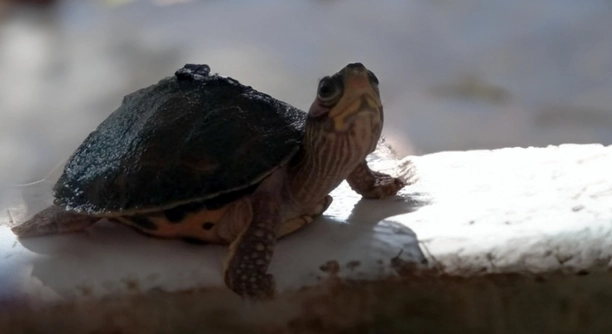
It’s important to understand how your Indian Roofed Tortoise is feeling to ensure its well-being. Stress can affect their health, and recognizing the signs early can make a big difference in their care.
Stress in Indian Roofed Tortoises is usually caused by environmental factors, handling, or diet. Symptoms such as hiding, loss of appetite, or defensive behavior can indicate stress. Monitoring their surroundings and daily habits helps identify issues before they escalate.
Recognizing stress in your tortoise is the first step in offering better care. Understanding its behaviors and environment can significantly improve its quality of life.
Common Causes of Stress in Indian Roofed Tortoises
Indian Roofed Tortoises can get stressed for several reasons. One of the most common causes is an inappropriate environment. If the temperature or humidity is not right, your tortoise can feel uncomfortable and anxious. Inadequate space or poor lighting can also contribute to stress. Tortoises need a balance of heat and cool areas to regulate their body temperature. Another factor is handling. Tortoises are naturally shy creatures, and too much handling can overwhelm them, causing them to withdraw or act defensively. Changes in diet can also lead to stress. When their food isn’t consistent or lacks the nutrients they need, they may feel unsettled.
Poor habitat conditions can lead to behavioral changes in your tortoise. For example, improper lighting or temperature will make them uncomfortable, affecting their activity levels.
It’s essential to provide your tortoise with a stable environment. Ensuring they have enough space, proper lighting, and a varied diet can help reduce stress levels. Stress can lead to further health issues, so addressing these factors promptly is crucial. Regularly observe your tortoise to catch early signs of stress before they become more serious.
Signs Your Indian Roofed Tortoise is Stressed
Stress in a tortoise can manifest in various ways. If your tortoise is hiding more than usual, it could be trying to escape a stressful environment. Decreased appetite or refusal to eat can also be a sign. Tortoises under stress may act aggressively, hissing or attempting to bite when handled. They might even stop moving around as much, remaining in one spot for long periods. These behavioral changes are a clear signal that something is wrong.
Understanding the subtle signs of stress can help prevent it from getting worse. Tortoises don’t always show obvious distress, so noticing small changes in their behavior can make a big difference.
In addition to behavioral signs, stress can affect your tortoise’s physical health. When stressed, their immune system weakens, making them more susceptible to illnesses. They may also become lethargic and lose interest in their surroundings. This lack of energy and engagement can lead to further physical decline. To avoid these problems, maintaining a consistent and suitable environment is key. By making adjustments in their habitat, diet, and handling, you can create a more comfortable space for them to thrive.
Environmental Factors That Contribute to Stress
Temperature and humidity play a big role in how your tortoise feels. If the temperature isn’t right, your tortoise may hide or stop eating. The humidity levels need to be just right for your tortoise to stay healthy and avoid stress.
A temperature gradient in the tank is essential. You should have a warm side and a cool side to help your tortoise regulate its body heat. The basking area should be around 90°F, while the cooler side should be between 75-80°F. Humidity should be kept at 50-70%. If the environment is too dry or too wet, it can cause stress and health problems like dehydration or skin shedding issues. Adding a water dish and misting the enclosure can help maintain proper humidity levels.
Ensure that the enclosure is not too small. Tortoises need space to roam around. A cramped space can cause anxiety and stress, leading to defensive behavior. Keep an eye on the tank’s temperature, humidity, and overall size to create a comfortable space for your tortoise to thrive in.
Handling and Interaction
Indian Roofed Tortoises are sensitive to handling. Too much interaction can lead to stress and anxiety. They are naturally solitary creatures and don’t need constant attention.
When handling your tortoise, make sure to be gentle and only do so when necessary. Avoid picking them up too frequently, as this can overwhelm them. Instead, allow your tortoise to explore its environment on its own. Short, calm sessions of handling are fine, but they should not be excessive. If your tortoise starts to act aggressively or withdraws, it’s a sign that you’re overdoing it.
Be mindful of their space and provide them time to rest undisturbed. Creating a quiet and secure environment will help your tortoise feel more comfortable and reduce unnecessary stress.
Diet and Nutrition
An improper diet can stress out your tortoise. If it’s not getting the right nutrients, it may lose interest in food or become unhealthy. Feeding your tortoise a varied diet of fresh greens and vegetables is essential for its well-being.
Too much or too little of certain foods can cause imbalance. Overfeeding sugary fruits or underfeeding leafy greens can lead to digestive problems or vitamin deficiencies. A balanced diet helps support healthy growth and energy levels. Ensure your tortoise has access to calcium and vitamin D3, which are vital for shell and bone health.
Provide a variety of vegetables such as kale, dandelion greens, and hibiscus flowers. Avoid iceberg lettuce, as it has little nutritional value. By carefully managing their diet, you’ll reduce the chances of stress caused by nutritional issues.
Social Interaction
Indian Roofed Tortoises are solitary animals and prefer minimal social interaction. Too much attention or the presence of other animals can cause stress.
Allow your tortoise to enjoy its space without constant interruptions. While some species thrive in groups, these tortoises generally do not. If you have multiple tortoises, observe their interactions carefully, as they may become territorial. Overcrowding can lead to stress and aggression.
By understanding their solitary nature, you can provide an environment where they feel safe and comfortable. Reducing stress from unnecessary social interactions helps keep your tortoise happy.
The Importance of a Consistent Routine
Indian Roofed Tortoises find comfort in consistency. A regular routine for feeding, bathing, and handling will help them feel secure.
Changing the routine too often or unpredictably can unsettle your tortoise. Stick to a feeding schedule and ensure the enclosure’s temperature and lighting remain constant. A predictable environment promotes relaxation and lowers stress levels. A set routine helps them feel safe in their surroundings, as they can anticipate their needs being met.
FAQ
How do I know if my Indian Roofed Tortoise is stressed?
Signs of stress in your tortoise include hiding more than usual, a lack of appetite, or being more aggressive. If it’s acting withdrawn or trying to escape its enclosure, this may indicate stress. Reduced movement, lethargy, or defensive behavior like hissing or attempting to bite when handled are all warning signs. If you notice any of these, it’s important to assess its environment and routine to identify potential causes.
Can stress harm my tortoise?
Yes, stress can significantly affect your tortoise’s health. Chronic stress weakens their immune system, making them more vulnerable to illness. Over time, stress can cause lethargy, a weakened appetite, or even issues with shell growth. It’s essential to manage their environment and care routine to reduce stress and avoid long-term health problems.
How can I reduce stress in my tortoise’s environment?
The first step is to ensure the temperature and humidity in the enclosure are suitable. Maintain a gradient with a warm side of 90°F and a cooler side of 75-80°F. Humidity should be kept at 50-70%. Make sure the enclosure is large enough for the tortoise to move around comfortably and has hiding spots to feel secure. Additionally, avoid sudden changes in lighting or temperature, and create a peaceful space where the tortoise feels safe.
Is it okay to handle my Indian Roofed Tortoise?
Handling your tortoise is fine in moderation, but it should be done gently and infrequently. Too much handling can stress them out, as they are naturally solitary creatures. Handle your tortoise only when necessary and avoid picking it up too often. If you need to interact, try short, calm sessions, allowing it to explore its surroundings on its own.
What should I feed my Indian Roofed Tortoise?
A balanced diet is crucial to your tortoise’s health. Offer a variety of dark leafy greens like kale, collard greens, and dandelion greens. Avoid feeding them too many high-water-content vegetables like cucumber or lettuce, as these offer little nutritional value. Adding occasional flowers like hibiscus and clover can be a great treat. Also, make sure they get enough calcium and vitamin D3 for proper shell and bone health.
How often should I feed my Indian Roofed Tortoise?
Typically, adult Indian Roofed Tortoises should be fed every other day. However, younger tortoises may require daily feeding as they need more nutrients to grow. Be sure to provide fresh food every time you feed them, and remove any uneaten food to prevent mold or bacteria from developing. Keep a consistent feeding schedule to help your tortoise feel secure.
Can I put more than one tortoise in the same enclosure?
While it’s possible to house more than one tortoise together, it can sometimes lead to stress, especially if they are not used to each other. Indian Roofed Tortoises are generally solitary animals, and overcrowding can lead to territorial behavior and aggression. If you decide to house multiple tortoises, make sure the enclosure is large enough for each to have its own space. Monitor them closely to ensure they’re not fighting or stressed by the proximity.
What is the best way to bathe my tortoise?
Bathing your tortoise can help with hydration and also be a relaxing experience for them. Fill a shallow dish with warm water (not too hot), making sure the tortoise can stand in it comfortably. Let your tortoise soak for 15-20 minutes, allowing it to drink and hydrate. Always supervise the bath, as they can drown in deeper water. Bathing should be done a few times a week to maintain proper hydration.
How do I create a proper basking spot for my tortoise?
The basking spot should be placed in an area of the enclosure with a heat source, like a heat lamp. Aim for a temperature of 90°F at the basking spot to allow your tortoise to regulate its body temperature. Make sure the basking area is accessible and not obstructed. It should also provide a safe place for the tortoise to retreat to if it feels too warm or needs some rest.
Can my tortoise live outside?
If you live in a warm climate, it is possible for your tortoise to live outside, but you need to create a secure, safe, and controlled outdoor environment. The enclosure should have a shelter to protect the tortoise from extreme weather and predators. Make sure there are no harmful plants or hazards in the area. During colder months, it’s safer to bring the tortoise back indoors to avoid health risks.
What if my tortoise isn’t eating?
If your tortoise stops eating, it could be due to stress, illness, or improper environmental conditions. First, check if the temperature and humidity are correct. If the environment is suitable and it still isn’t eating, stress might be the issue. Consider factors like handling, cage mates, or diet changes. If the problem persists, a visit to the vet may be necessary.
How can I ensure my tortoise has a good quality of life?
To ensure your tortoise’s well-being, focus on providing a stable and comfortable environment with appropriate lighting, temperature, and humidity. A balanced diet, regular bathing, and minimal stress from handling or overcrowding are also essential. Monitor your tortoise’s behavior and health closely, and consult with a vet if any issues arise. Regularly cleaning the enclosure and providing enrichment opportunities like hiding spots and safe areas for exploration will further improve their quality of life.
Final Thoughts
Stress is a serious concern for your Indian Roofed Tortoise. It can have lasting effects on their health if not properly managed. Understanding what causes stress in your tortoise and recognizing the signs early on will help you create a more comfortable environment for them. By focusing on factors like temperature, humidity, diet, and handling, you can reduce the risk of stress and promote better overall health. A stable and consistent routine is key to making your tortoise feel secure and comfortable in its habitat.
Taking the time to regularly observe your tortoise’s behavior is important. Small changes in how they act can be signals of stress that are easy to miss if you’re not paying attention. For example, a tortoise that suddenly stops eating or becomes more withdrawn might be reacting to an environmental change or handling. By watching for these signs, you can take quick action to adjust their surroundings. Stress should be addressed immediately, as it can quickly lead to other health issues, such as a weakened immune system or problems with growth.
Finally, remember that each tortoise is unique. While general guidelines are helpful, your tortoise may have its own preferences when it comes to its environment and routine. Be patient and flexible with your approach. If you notice persistent stress despite adjusting the environment, consider seeking advice from a veterinarian experienced with reptiles. Your tortoise’s well-being is a reflection of the care and attention you give them. By creating a calm, balanced environment, you are ensuring they live a long and healthy life.

Hello,
If you enjoy the content that we create, please consider saying a "Thank You!" by leaving a tip.
Every little bit helps us continue crafting quality advice that supports the health, happiness, and well-being of pets around the world, for pets of all shapes, sizes, and species.
We really appreciate the kindness and support that you show us!