
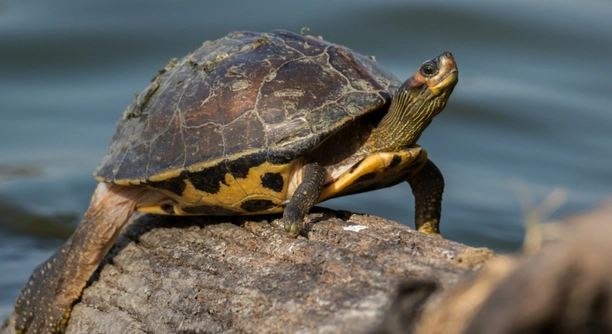
An Indian Roofed Tortoise is a fascinating pet, but like all animals, it can face health challenges. Respiratory infections are one common concern that requires attention to ensure your tortoise stays healthy.
Respiratory infections in Indian Roofed Tortoises are often indicated by symptoms such as wheezing, nasal discharge, and lethargy. Identifying these signs early can help in providing the necessary treatment and preventing further complications.
Recognizing these symptoms can lead to better care and faster recovery for your tortoise. Ensuring a healthy environment plays a key role in its well-being.
Recognizing the Early Signs of Respiratory Infection in Indian Roofed Tortoises
Respiratory infections in Indian Roofed Tortoises can quickly become serious, making early detection crucial. The first sign to look out for is a noticeable change in their behavior. A tortoise that usually moves around freely may become lethargic or refuse to eat. Breathing problems can also manifest, often as wheezing or audible sounds when they breathe. Nasal discharge is another common symptom, which may vary in color from clear to a yellowish or greenish hue. It’s important to monitor these signs closely as they can worsen rapidly.
Early intervention is vital for preventing the infection from spreading to the lungs, leading to more severe conditions. If you notice any of these symptoms, it’s best to seek veterinary care immediately.
A proper diagnosis involves not only recognizing the visible signs but also ensuring the tortoise is in a stress-free environment. Stress can worsen their condition, so providing a warm, clean habitat is essential for recovery.
Causes of Respiratory Infections
Poor living conditions often play a significant role in the development of respiratory infections. If the habitat lacks proper humidity or temperature control, it can stress the tortoise’s immune system, making it more susceptible to infections.
Environmental factors, such as inadequate heating or excessive dampness, can lead to the development of these infections. Indian Roofed Tortoises are particularly sensitive to temperature changes, and sudden fluctuations can stress them, increasing the likelihood of illness. Proper care requires a consistent environment that mimics their natural habitat, ensuring they stay healthy and free from respiratory issues. The right humidity levels and a stable temperature range are essential to preventing respiratory infections.
Treatment Options for Respiratory Infections
When treating a respiratory infection, antibiotics are commonly prescribed by veterinarians to fight off the bacterial infection. It’s important to follow the full course of medication to prevent the infection from returning.
In addition to antibiotics, it’s crucial to adjust the tortoise’s environment. Increasing the temperature and humidity in its habitat can help in recovery. Keeping the tortoise in a warm, dry space reduces stress and supports its immune system. A heated enclosure can encourage the tortoise to stay active and aid in its healing process.
If the infection is severe, additional treatments, such as nebulization or oral fluids, may be necessary to clear up the infection more effectively. Always follow the vet’s instructions carefully to ensure proper recovery. Regular check-ups are essential for tracking progress and preventing future respiratory issues.
Preventing Future Respiratory Infections
Preventing respiratory infections requires maintaining the correct living conditions. Ensure that your tortoise’s enclosure remains at a steady temperature of around 80 to 85 degrees Fahrenheit during the day and slightly cooler at night.
Humidity is another important factor; maintaining a humidity level between 50-70% is ideal for the tortoise’s respiratory health. Too much humidity can create mold and bacteria growth, while too little can cause dehydration and stress. Additionally, provide a clean, dry space free from drafts, as exposure to sudden temperature changes can increase the risk of infection. Keeping the tortoise’s habitat clean and free of feces will also reduce the chances of bacterial infections. Regular checks and maintenance of the living area are essential to avoid any health issues in the future.
Identifying Respiratory Infections Early
The sooner you spot the signs, the quicker your tortoise can recover. Look out for nasal discharge, wheezing, or labored breathing. Changes in appetite or behavior can also be a clue. Early treatment can make a big difference in your tortoise’s recovery.
If you notice these signs, don’t wait too long to act. A quick visit to the vet can prevent further complications, such as pneumonia. Be proactive in monitoring your tortoise’s health and act quickly at the first sign of illness.
When to Seek Veterinary Care
Veterinary care is necessary when symptoms persist or worsen. A vet can diagnose the severity of the infection and determine the best course of treatment. Your tortoise may need antibiotics or other treatments depending on the infection’s severity.
If the tortoise becomes more lethargic or refuses food, it’s time for a professional evaluation. Respiratory infections can quickly progress, and delaying treatment can lead to more serious conditions. Consulting with a vet ensures your tortoise gets the care it needs to recover fully and avoid complications.
The Importance of a Proper Habitat
Providing a proper habitat is essential for your tortoise’s health. Temperature, humidity, and cleanliness are the main factors that support a strong immune system. An improper setup can cause stress and increase the chances of respiratory infections.
FAQ
What are the common symptoms of a respiratory infection in Indian Roofed Tortoises?
Common symptoms include wheezing, nasal discharge, lethargy, and difficulty breathing. If your tortoise is making abnormal sounds while breathing or has visible discharge from its nose, it could be suffering from a respiratory infection. It may also stop eating and become more reclusive. These symptoms should be addressed immediately to prevent the infection from worsening.
How can I tell if my tortoise’s respiratory infection is serious?
A respiratory infection is considered serious if the symptoms worsen or persist. If your tortoise becomes extremely lethargic, refuses to eat for extended periods, or shows signs of labored breathing, these are clear indicators that medical attention is needed. Early detection and treatment can prevent complications such as pneumonia or other serious respiratory issues.
Can respiratory infections in tortoises be treated at home?
While there are some home care methods to support your tortoise’s health, such as adjusting the temperature and humidity in its habitat, respiratory infections typically require veterinary intervention. Antibiotics and professional care are often needed to address the infection. Always consult a vet before attempting home treatments.
What environmental conditions can cause respiratory infections in tortoises?
Poor environmental conditions are one of the leading causes of respiratory infections in tortoises. Exposure to sudden temperature fluctuations, low humidity, and unclean living spaces can stress the tortoise’s immune system, making it more vulnerable to infections. Proper heating and humidity levels, along with regular cleaning, can significantly reduce the risk.
How can I prevent respiratory infections in my tortoise?
Preventing respiratory infections involves maintaining a stable environment. Keep the enclosure warm, with temperatures between 80 and 85°F during the day, and slightly cooler at night. Ensure the humidity is kept at 50-70%. Regular cleaning of the enclosure is also crucial to prevent bacterial growth. A clean and stable environment is key to your tortoise’s overall health.
Can I use a humidifier for my tortoise’s enclosure?
Yes, a humidifier can be helpful in maintaining the proper humidity levels in your tortoise’s enclosure, especially in dry climates. However, it’s important to monitor the humidity closely. Too much humidity can lead to mold and mildew growth, which can create other health risks. Ensure the humidity stays within the ideal range of 50-70%.
How long does it take for a tortoise to recover from a respiratory infection?
The recovery time can vary depending on the severity of the infection and the treatment provided. With prompt veterinary care, most tortoises recover within a few weeks. However, if the infection is severe or if treatment is delayed, recovery could take longer. Regular follow-ups with the vet will ensure your tortoise is on track to recovery.
Is it possible for a tortoise to get a respiratory infection from another animal?
Respiratory infections in tortoises are typically caused by environmental factors rather than direct transmission from other animals. However, if your tortoise is housed with other reptiles or animals that are sick, there could be a risk of cross-contamination. It’s always best to isolate sick animals to prevent any potential spread of infection.
Can a tortoise get a respiratory infection from being kept outside?
Yes, outdoor conditions can expose your tortoise to varying temperatures, drafts, and even moisture, which can lead to respiratory infections. If you keep your tortoise outside, ensure it has access to a sheltered and temperature-controlled environment to prevent exposure to unfavorable weather conditions. Avoid placing your tortoise in areas with high humidity or direct drafts.
What kind of food should I give my tortoise if it has a respiratory infection?
During an illness, it’s important to offer food that is easy for your tortoise to eat. Soft, moist greens can help keep your tortoise hydrated and encourage eating. Avoid offering hard-to-digest foods while it’s sick. If your tortoise is not eating, consult with a vet for appropriate steps to ensure its nutrition and recovery.
Final Thoughts
Respiratory infections in Indian Roofed Tortoises require immediate attention and care. Recognizing the early signs, such as nasal discharge and wheezing, can make a big difference in how quickly your tortoise recovers. Regular monitoring of your tortoise’s health is crucial, especially when it shows signs of illness. A proper environment with stable temperature and humidity can help prevent infections. When issues do arise, it’s important to consult with a vet to get the right treatment.
Treatment for respiratory infections often involves antibiotics, but environmental adjustments play a key role as well. Keeping your tortoise warm and comfortable will support its recovery. It’s also essential to clean the living space regularly to reduce the risk of bacterial buildup. Never delay seeking veterinary care if your tortoise’s symptoms worsen. With prompt treatment and proper care, most tortoises can fully recover from respiratory infections.
Prevention is always better than treatment. Keeping your tortoise’s enclosure in optimal condition helps avoid the stress that often leads to respiratory issues. Make sure to maintain a steady temperature and humidity level and provide a clean, draft-free environment. Regular check-ups with a vet can help detect any health issues before they become serious. By being proactive, you can ensure your tortoise stays healthy and avoids respiratory infections in the future.

Hello,
If you enjoy the content that we create, please consider saying a "Thank You!" by leaving a tip.
Every little bit helps us continue crafting quality advice that supports the health, happiness, and well-being of pets around the world, for pets of all shapes, sizes, and species.
We really appreciate the kindness and support that you show us!