
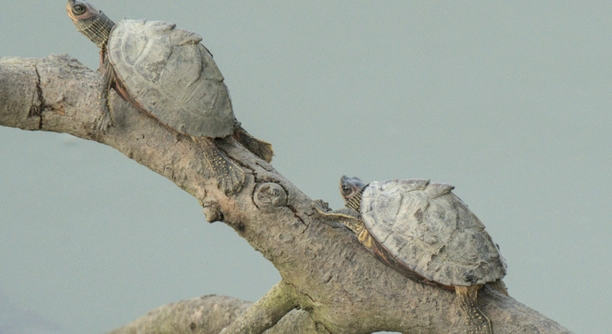
Indian Roofed Tortoises are usually calm creatures, but if your tortoise has started acting aggressively, it can be concerning. Various factors can cause this behavior, ranging from environmental stress to health issues.
Aggression in Indian Roofed Tortoises is often linked to factors like territorial disputes, improper diet, or inadequate habitat. Stress from sudden changes in temperature, noise, or overcrowding can also trigger aggressive behavior.
Understanding the cause of your tortoise’s aggression is essential for addressing the problem and ensuring its well-being.
Temperature Stress
Indian Roofed Tortoises rely on a controlled temperature range to stay healthy. If their environment is too hot or too cold, they may act aggressively. Sudden temperature changes or an incorrect basking area can leave them feeling stressed and irritable. Overheating, in particular, causes them to retreat into their shells and become defensive. On the other hand, being too cold can make them lethargic, which may result in irritation if they feel uncomfortable. Maintaining a steady temperature between 85°F to 95°F in the daytime and slightly cooler at night is key to preventing stress.
A suitable temperature also supports their digestion and overall health. Keeping their habitat within the proper range will help reduce unwanted aggression.
To regulate the temperature, use a reliable thermostat and a heat lamp that mimics natural sunlight. Monitoring temperature fluctuations regularly ensures that your tortoise is comfortable. If the temperature is unstable, adjust accordingly to avoid stress-induced aggression.
Inadequate Diet
A poor diet can lead to health issues that may cause your tortoise to act aggressively.
Indian Roofed Tortoises are herbivores and require a diet rich in leafy greens, fruits, and fiber. A lack of these nutrients can make them irritable and upset. Low calcium levels or imbalanced nutrition can cause discomfort or even pain, resulting in aggressive behavior.
Offering variety in their diet is essential. Providing high-quality greens such as dandelion leaves, collard greens, and clover will help maintain their health. Avoid offering processed foods or high-protein items, as these can disrupt their digestive system. Supplementing with calcium-rich foods ensures their bones remain strong, preventing painful conditions.
Overcrowding
Overcrowding in the enclosure can stress your tortoise, leading to aggressive behavior.
When there are too many tortoises in a small space, they may compete for territory, food, and basking spots. This leads to tension and territorial disputes. A crowded environment prevents them from establishing their own space, making them more likely to act defensively or aggressively.
To avoid overcrowding, provide enough space for each tortoise to roam comfortably. Ensure that each one has access to food, water, and basking areas. If you have multiple tortoises, consider using a larger enclosure or creating separate spaces to reduce stress and conflict.
Lack of Hideaways
Tortoises, especially when feeling threatened, seek out hideaways to feel safe.
Without proper hideouts, tortoises may feel exposed and vulnerable, which can lead to aggression. Providing shelter in their enclosure helps them retreat when they need space or time to calm down. A lack of privacy can cause a tortoise to act out of fear or frustration.
Adding hideaways such as small caves, logs, or plants in their habitat creates a sense of security. It also encourages natural behaviors like burrowing and exploring. Ensure that the hideaway is large enough for the tortoise to comfortably move in and out. This simple adjustment can reduce stress and prevent aggressive behavior.
Health Problems
Health issues can contribute to aggressive behavior in your tortoise.
If your tortoise is unwell, it may react defensively due to pain or discomfort. Common health problems like respiratory infections, parasites, or shell injuries can cause irritation, leading to aggression. Regular check-ups are essential to catch these issues early.
Always monitor your tortoise for signs of illness. If it becomes more aggressive or lethargic, a trip to the vet is necessary. Prompt treatment will ensure your tortoise recovers without the added stress of untreated health issues.
Mating Behavior
Mating season often brings out territorial aggression.
Male tortoises may become more aggressive during mating season, especially when competing for the attention of a female. They may chase each other, ram into objects, or display increased aggression toward their owners. This is a normal part of their behavior during breeding time.
If mating behavior becomes disruptive, consider separating males from females or providing additional space to reduce conflicts. Proper management during breeding season can help minimize aggression and prevent stress.
Hormonal Changes
Hormonal fluctuations can lead to aggressive behavior.
Tortoises undergo hormonal changes throughout the year, and these fluctuations may cause them to become more territorial or irritable. This behavior is most common during breeding seasons or when environmental factors change. Hormones can cause stress, which may trigger aggression.
FAQ
Why is my Indian Roofed Tortoise becoming aggressive?
Aggression in Indian Roofed Tortoises is often caused by factors such as environmental stress, poor diet, overcrowding, or health issues. Tortoises may feel threatened or uncomfortable due to temperature changes, lack of space, or inadequate hiding spots. Stress from being handled too much or improperly can also trigger aggressive behavior.
How can I reduce aggression in my tortoise?
To reduce aggression, ensure your tortoise has an appropriate habitat, including proper temperature, humidity, and space. Provide hideaways, maintain a balanced diet, and avoid overcrowding. Regularly check for health issues, and handle your tortoise gently. Additionally, if mating season is the cause, consider separating males and females.
What should I do if my tortoise is sick and acting aggressive?
If your tortoise is sick and showing signs of aggression, it’s essential to visit a vet. Aggressive behavior may be a sign of pain or discomfort from an illness. Health problems like respiratory infections, parasites, or shell injuries can affect their mood. Getting professional help will ensure proper diagnosis and treatment.
Can temperature fluctuations make my tortoise aggressive?
Yes, temperature changes can stress a tortoise, causing aggression. If the temperature in their habitat is too hot or too cold, it can affect their behavior. Tortoises rely on stable temperatures to regulate their body functions. An unstable environment can cause anxiety, leading to defensive or aggressive actions.
Do male tortoises act more aggressively than females?
Male tortoises can become more aggressive, especially during mating season. They may exhibit territorial behavior, chasing, or ramming other tortoises. This is natural, as they compete for the attention of females. However, this behavior is usually temporary and can be minimized by separating males from females if needed.
How can I tell if my tortoise is stressed?
Signs of stress in a tortoise include aggression, retreating into its shell, excessive basking, lack of appetite, or becoming lethargic. If the tortoise shows any of these behaviors, it’s important to assess its environment. Stress can be caused by environmental factors, overcrowding, or health problems, so take action to resolve the issues.
Is it normal for my tortoise to be aggressive when handling it?
It’s normal for tortoises to show signs of aggression when they feel threatened, especially during handling. Tortoises are naturally shy and can become defensive if they are picked up abruptly. To avoid aggression, handle your tortoise gently and limit handling sessions to prevent stress. Allow your tortoise time to adjust to your presence.
Can a tortoise’s diet affect its behavior?
Yes, an improper diet can lead to aggression. A diet lacking in essential nutrients, like calcium or fiber, can cause discomfort and irritability. Offering a varied diet with leafy greens, fruits, and calcium supplements is crucial to maintaining your tortoise’s health and reducing any aggressive tendencies.
How much space does an Indian Roofed Tortoise need?
Indian Roofed Tortoises require a large enclosure with enough room to roam and explore. A minimum of 4-6 square feet is recommended for a single tortoise, but more space is better. This allows them to establish their territory, bask, and retreat to hide when needed. Overcrowding should be avoided to reduce stress.
Can I keep multiple tortoises together in the same enclosure?
You can keep multiple tortoises together, but it’s important to ensure the enclosure is large enough for each one. Overcrowding can lead to competition for resources, which may trigger aggressive behavior. If you have both male and female tortoises, keep them separated during mating season to prevent conflicts.
What are the best hiding spots for my tortoise?
Providing hiding spots like caves, logs, or plants is essential for reducing stress and aggression. Tortoises need a safe space to retreat to when they feel threatened. These hideaways give them a sense of security, preventing them from becoming defensive or aggressive. Ensure the hideout is spacious and accessible.
How do I know if my tortoise is in pain?
Signs of pain in a tortoise include unusual aggression, lethargy, loss of appetite, and abnormal behavior such as excessive basking or hiding. If your tortoise displays any of these signs, it’s important to check for injuries or health issues. Consult a vet if the pain persists.
Is it possible to stop a tortoise from being aggressive during mating season?
While it’s difficult to fully stop mating-related aggression, you can manage it by separating males and females during breeding season. Providing more space and hiding areas can also help reduce stress and minimize aggressive encounters. Keeping males and females apart can prevent territorial disputes.
What should I do if my tortoise is constantly aggressive?
If your tortoise is consistently aggressive, review its habitat and health. Ensure the temperature, diet, and space are appropriate. Check for any signs of illness or discomfort. If the aggression continues despite changes, consulting a vet can help identify underlying issues and provide solutions for calmer behavior.
Final Thoughts
Aggressive behavior in Indian Roofed Tortoises can be unsettling, but understanding the causes is the first step in resolving the issue. Whether the aggression is due to health problems, environmental stress, hormonal changes, or mating behavior, identifying the root cause helps in managing the situation. Most of the time, with the right care, their behavior can be calmed down. It is important to regularly observe your tortoise to recognize signs of stress or illness early, which can prevent further aggression from developing.
Creating a stress-free environment for your tortoise is key. Ensure their habitat is spacious, with proper temperature and humidity. A well-balanced diet, including calcium and fiber, is essential for their health and behavior. Providing hiding spots and reducing overcrowding can also go a long way in keeping your tortoise comfortable. If aggression occurs, try to limit handling or separate tortoises that might be causing the stress. Addressing these basic needs often leads to a calmer tortoise.
Lastly, remember that tortoises, like all pets, have their own personalities. Some may be naturally more territorial or solitary, while others are more social. Patience and time are necessary to understand your tortoise’s unique behavior. If aggression persists, or if you’re concerned about their health, consulting a vet is always the best course of action. With the right care and attention, your Indian Roofed Tortoise can thrive and live a calm, healthy life.

Hello,
If you enjoy the content that we create, please consider saying a "Thank You!" by leaving a tip.
Every little bit helps us continue crafting quality advice that supports the health, happiness, and well-being of pets around the world, for pets of all shapes, sizes, and species.
We really appreciate the kindness and support that you show us!