
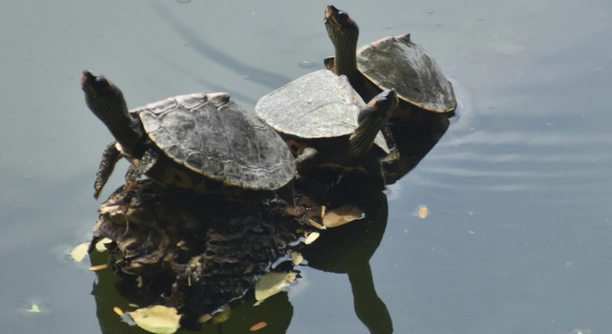
Indian Roofed Tortoises are fascinating creatures, and just like any pet, they require careful observation and care. Their health can sometimes be difficult to assess, especially when it comes to injuries like broken claws.
If your Indian Roofed Tortoise has a broken claw, you may notice signs such as limping, reduced movement, or visible injury on the claw. A broken claw can cause pain and discomfort, and it requires attention.
Recognizing a broken claw early can help avoid complications. Knowing the signs and what to do next can ensure your tortoise’s recovery.
Signs of a Broken Claw in Your Indian Roofed Tortoise
A broken claw can be tricky to spot at first. Look for signs of limping or a noticeable change in your tortoise’s movement. They may avoid walking or favor one limb. If the tortoise tries to rub the injured claw, it may indicate pain. Another sign to look out for is swelling around the claw area, and sometimes, you may even see the claw hanging or torn. These physical changes suggest that the claw is either cracked or fractured, and prompt care is needed. Keeping a close eye on your tortoise’s behavior and checking its limbs regularly can help catch issues early.
Pay attention to your tortoise’s behavior when it’s walking. If it’s favoring one leg or walking abnormally, it might be due to a broken claw.
While your tortoise may not express its discomfort clearly, its actions will speak volumes. A change in how your tortoise moves can show that something is wrong. A broken claw may also cause visible wounds or bleeding, depending on the severity of the injury. If you notice any of these signs, take action quickly to prevent further damage or infection.
How to Treat a Broken Claw
If you suspect your tortoise has a broken claw, the first step is to examine it closely. Look for bleeding or exposed tissue. Clean the injury with mild antiseptic to prevent infection, being gentle to avoid causing more pain. If the injury looks severe, consult a veterinarian to determine if professional treatment is required. In most cases, the claw will heal on its own if the tortoise avoids excessive movement.
Make sure your tortoise is in a safe environment while healing. Keeping it in a quiet, low-stress area will reduce the chance of it further injuring itself. To help your tortoise heal faster, ensure it has access to fresh water and the right diet, as nutrition plays an important role in recovery. It may take several weeks for the claw to fully heal, depending on the severity of the break. Make sure to monitor the injury regularly for any signs of infection, like swelling, pus, or redness. If you notice any, reach out to your vet immediately. In the meantime, avoid handling your tortoise too much to give it a chance to rest.
Preventing Claw Injuries in Indian Roofed Tortoises
To prevent claw injuries, ensure your tortoise has a clean and safe environment to roam. Avoid sharp or hard surfaces that could cause harm to their claws. Offering a mix of soft bedding and outdoor areas with grass can reduce the risk of injury.
Regularly inspect the claws of your tortoise for wear or damage. If you notice any signs of excess growth or abnormalities, trim them carefully to avoid snags. Make sure they have proper space for exercise so that their claws are naturally worn down. A balance of time indoors and outdoors keeps their claws in good condition.
Another way to prevent claw injuries is by avoiding overcrowded enclosures. When tortoises are kept in cramped spaces, they are more likely to scratch against objects, which can damage their claws. Providing ample room for them to move freely will help keep their claws safe and healthy.
When to Seek Veterinary Help for a Broken Claw
If your tortoise’s claw shows signs of severe injury, such as excessive bleeding or infection, it’s time to consult a veterinarian. A broken claw may heal on its own, but there are cases where professional care is needed.
If the injury is deep or if the claw is completely detached, a vet can assess the damage and treat it properly. Claws that become infected can lead to further complications, making it important to get the right care. A vet will provide the necessary treatment and offer advice on proper aftercare to ensure the healing process goes smoothly.
If you’re uncertain about the severity of the injury, it’s better to be cautious and seek veterinary help. A quick visit can help catch any underlying issues that may not be immediately obvious. A vet will also guide you on keeping the injury clean, reducing the risk of infection, and promoting healing.
Healing Time for a Broken Claw
The healing time for a broken claw depends on the severity of the injury. Minor cracks can take a few weeks to heal, while more severe breaks may require several months. During this time, it’s essential to keep the tortoise’s environment clean and low-stress.
While the claw heals, avoid handling your tortoise too much. The less movement and stress, the better the chances for proper recovery. Ensure the injury is kept clean and monitor it regularly for signs of infection. In some cases, the claw may need extra support or attention from a vet.
How to Support Your Tortoise During Recovery
You can support your tortoise’s recovery by ensuring it has a comfortable and quiet space to rest. Provide soft bedding to avoid additional stress on the broken claw. Limit its movement and ensure it has enough food and fresh water.
Proper hydration is key to recovery, as it supports the healing process. Keep the tortoise’s diet rich in vitamins and minerals, especially calcium, which is crucial for overall bone and claw health. A well-balanced diet can speed up the recovery and strengthen the claws in the long run.
Claw Care After Healing
Once the claw has fully healed, continue to monitor it for any signs of unusual growth or damage. It’s important to ensure that the claw is not overgrown, as this can lead to other problems. Regular checks will help catch any issues early.
A healthy claw should grow naturally with the tortoise’s activity and environment. Encourage regular movement and access to different surfaces to keep the claws naturally filed down. However, avoid rough or abrasive materials that could lead to new injuries.
FAQ
How can I tell if my tortoise’s claw is broken?
A broken claw often presents with visible signs such as limping, swelling, or the tortoise avoiding using that leg. You may notice that the claw appears misaligned, cracked, or torn. In severe cases, the claw might be hanging loosely or detached. If your tortoise exhibits discomfort while walking or seems unusually passive, it’s best to inspect the claw carefully for any signs of injury.
What should I do if I see my tortoise has a broken claw?
If your tortoise has a broken claw, the first step is to clean the injury with a mild antiseptic to prevent infection. Make sure the tortoise is in a calm and stress-free environment. If the injury seems severe or you notice bleeding or swelling, consult a vet immediately for professional treatment. A vet will help assess the injury and decide if any further intervention is needed.
Can a broken claw heal on its own?
In many cases, a broken claw can heal on its own if the injury is minor. The key is to ensure the tortoise is kept in a clean, low-stress environment to prevent further injury or infection. If the injury worsens or shows signs of infection, seek professional care. Healing time can vary, and more severe breaks may need additional treatment to ensure proper healing.
How long does it take for a broken claw to heal?
The healing time for a broken claw varies depending on the injury’s severity. Minor cracks or splits might heal within two to four weeks. A more severe break or detached claw may take several months to fully heal. During this time, make sure the tortoise is resting in a clean, safe space to avoid further damage.
How can I prevent claw injuries in my tortoise?
Preventing claw injuries involves providing a safe and clean environment. Avoid rough surfaces or materials that could damage the claws. Offer soft bedding and surfaces for your tortoise to walk on. If your tortoise spends time outside, make sure the area is free from sharp objects that could cause injury. Regularly inspect your tortoise’s claws for any signs of wear, infection, or abnormalities, and trim them if necessary.
Is it common for tortoises to break their claws?
While it’s not extremely common, claw injuries can happen, especially if the tortoise’s environment isn’t ideal or if it’s exposed to rough surfaces. Tortoises in the wild may experience more wear and tear on their claws, but captive tortoises can also injure themselves if their enclosure isn’t properly maintained. Regular checks and appropriate care can reduce the risk of injury.
What should I do if the claw becomes infected?
If the broken claw shows signs of infection, such as increased swelling, pus, or redness, it’s important to seek veterinary help as soon as possible. A vet will clean the wound properly and may prescribe antibiotics to prevent the infection from spreading. You can also clean the area with a mild antiseptic until you can see the vet, but don’t delay in seeking professional care.
Can I trim my tortoise’s claws myself?
Yes, you can trim your tortoise’s claws yourself, but it’s important to do so carefully to avoid causing harm. Use proper tools, like small clippers or a file, and only trim the claws if they are overgrown or show signs of damage. Be cautious not to trim too much, as this can cause injury or bleeding. If you’re unsure, consider seeking a vet’s guidance for the first trim.
Do I need to give my tortoise special care after a claw injury?
After a claw injury, your tortoise will need a calm, clean environment to promote healing. Limit its movement to prevent further strain on the injured claw. Make sure the tortoise has access to fresh water and a nutritious diet to support recovery. Keep the injury clean and watch for signs of infection, such as swelling or pus. Once the claw heals, continue regular checks to ensure it grows back correctly and remains healthy.
What can I do to make my tortoise more comfortable while it heals?
To make your tortoise more comfortable, provide soft bedding and avoid rough surfaces that could put pressure on the broken claw. Make sure your tortoise is in a quiet, low-stress environment so it can rest properly. Keep the area clean and ensure it has plenty of fresh water and nutritious food to aid recovery. Avoid handling it too much to give the injured claw time to heal undisturbed.
Can broken claws cause long-term damage to my tortoise?
In most cases, a broken claw will heal without causing long-term damage, but it can lead to complications if not treated properly. If the injury becomes infected or if the claw isn’t allowed to heal properly, it may cause permanent issues. Early intervention and proper care can prevent long-term damage and help your tortoise recover fully.
Will a broken claw affect my tortoise’s ability to walk?
A broken claw may temporarily affect your tortoise’s ability to walk, depending on the severity of the injury. If the pain is severe, the tortoise may limp or avoid using the affected leg. Once the claw heals, your tortoise should regain normal movement, though it may take some time for it to fully adjust.
How do I know if my tortoise’s broken claw needs to be amputated?
In rare cases, a broken claw may need to be amputated if it is severely damaged, infected, or not healing properly. Signs that this may be necessary include excessive swelling, continued bleeding, or a claw that is completely detached. A veterinarian will assess the injury and decide if amputation is necessary to prevent further health issues.
Final Thoughts
Taking care of your Indian Roofed Tortoise means staying attentive to its health, including its claws. A broken claw may seem like a minor issue, but it can cause your tortoise pain and lead to further complications if not addressed. While a broken claw can often heal on its own with proper care, it’s important to watch for signs of infection or worsening injury. By being proactive and recognizing the signs of a problem early, you can ensure your tortoise recovers without any long-term issues.
Regularly checking your tortoise’s claws and overall health is key to preventing injuries. Providing a safe, clean environment with soft surfaces will help minimize the risk of claw damage. Whether your tortoise is indoors or outside, make sure the area is free from sharp objects that could harm its claws. Keeping your tortoise’s claws trimmed and healthy will also reduce the chances of injury and promote better movement. If your tortoise ever experiences a break, taking swift action by cleaning the injury and seeking veterinary care if necessary will speed up recovery.
Lastly, always remember that your tortoise’s comfort during recovery is important. Keeping it in a low-stress environment will help it heal quicker. By giving your tortoise the space and care it needs, you can ensure a smooth recovery. The healing time for a broken claw will depend on the severity, but with the right care, your tortoise will likely be up and moving around in no time. Taking steps to prevent future injuries and providing proper care during recovery will keep your tortoise healthy and happy for years to come.

Hello,
If you enjoy the content that we create, please consider saying a "Thank You!" by leaving a tip.
Every little bit helps us continue crafting quality advice that supports the health, happiness, and well-being of pets around the world, for pets of all shapes, sizes, and species.
We really appreciate the kindness and support that you show us!