
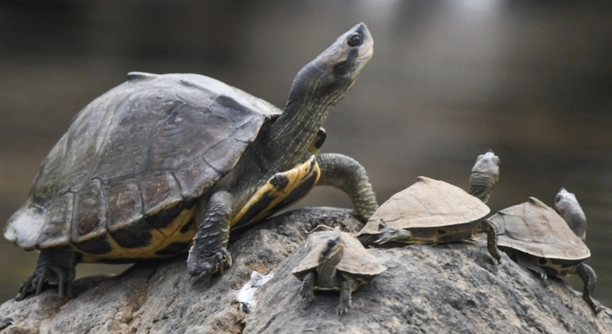
Are you looking for ways to make your Indian Roofed Tortoise’s tank more engaging? Keeping your pet stimulated is key to its well-being. The right environment can support its mental and physical health.
To create a more stimulating tank, you can add natural elements, hiding spots, and interactive toys. These changes encourage exploration and exercise, which promote a healthier and happier tortoise.
With these simple upgrades, you’ll be able to transform your tortoise’s habitat into a dynamic and enriching space for them to enjoy.
Adding Natural Elements to the Tank
Adding natural elements like rocks, logs, and plants to your tortoise’s tank can make a big difference. These features mimic the tortoise’s natural habitat, which will help it feel more comfortable and safe. By providing these elements, your tortoise will have different textures to explore, climb, and hide in. This not only reduces stress but encourages activity and mental stimulation. Adding plants, especially safe, edible ones, can also provide your tortoise with something to nibble on, promoting healthy foraging behaviors. Ensure that any plants or materials used are safe for reptiles.
Place these natural elements thoughtfully, so your tortoise can navigate and hide easily. Make sure there are no sharp edges that could harm them. Keep the environment spacious enough for movement and exploration.
This will not only enhance your tortoise’s tank visually, but it will also serve as an outlet for them to express natural behaviors, keeping them more active and happy.
Creating Hiding Spots for Security
Hiding spots can make your tortoise feel more secure, giving them a retreat when they need to rest or relax.
A few hiding spots can help your tortoise reduce stress by providing a sense of security. This is especially important when your tortoise feels threatened or needs some alone time. Try to use natural materials like rocks or wood to create shaded corners or burrow-like spaces where your pet can retreat when it feels the need to hide.
These small, safe areas mimic the kind of shelter your tortoise would find in the wild. This sense of security allows your tortoise to explore the tank freely without always feeling on edge.
Adding Interactive Toys
Interactive toys, like puzzle feeders or simple tunnels, can engage your tortoise’s mind and body. These toys encourage foraging, exploration, and problem-solving, which can help keep your tortoise active. Choose toys that suit your tortoise’s size and activity level, ensuring they’re safe and easy to clean.
Toys that challenge your tortoise to find food or interact with their environment will not only prevent boredom but also help maintain their mental and physical health. Avoid small, easily swallowed items to prevent accidental choking or ingestion.
Consider rotating the toys regularly to keep the tank fresh and exciting for your tortoise. This will help prevent your pet from losing interest in them. Keeping things new and interesting can lead to a more enriching tank experience.
Providing a Proper UVB Light
UVB lighting is crucial for your tortoise’s health, as it helps them synthesize vitamin D3, which aids calcium absorption. Without proper UVB light, your tortoise could develop health problems, like shell deformities.
Place a UVB light over the tank to simulate the sun’s rays. It should be positioned within the proper range of your tortoise’s habitat, ensuring that they can bask under it. Make sure to replace the bulb regularly since UVB output decreases over time, even if the light still appears to be working.
UVB lighting helps regulate your tortoise’s circadian rhythm and promotes activity during the day. This simple addition will encourage natural behaviors like basking, moving around, and resting, which are essential for your tortoise’s overall well-being.
Adding Substrate for Digging
A suitable substrate allows your tortoise to dig, which is an important natural behavior. Use safe, loose substrates like coconut coir or topsoil to give your tortoise the chance to engage in digging. This promotes exercise and helps your pet feel more comfortable.
Make sure the substrate is deep enough for your tortoise to dig into without causing harm. Regularly clean the substrate to prevent the buildup of waste and bacteria. A clean and deep substrate will encourage more digging and help create a more natural environment for your pet.
Using Temperature Gradients
Providing temperature gradients is important for regulating your tortoise’s body temperature. This can be done by placing a heat source at one end of the tank while keeping the other side cooler.
A well-regulated temperature allows your tortoise to move between warmer and cooler areas as needed. This helps them regulate their body temperature naturally, which is essential for digestion, metabolism, and overall health.
Offering Variety in Diet
Offering a varied diet not only helps with nutrition but can also stimulate your tortoise’s interest in eating. Fresh, leafy greens, flowers, and occasional fruits provide different textures and flavors that encourage natural foraging.
FAQ
What is the best substrate for an Indian Roofed Tortoise’s tank?
Coconut coir, organic topsoil, or a mixture of both are great options. These materials mimic the tortoise’s natural environment and are safe for them to dig into. Avoid substrates like sand or cedar, as they can harm your tortoise’s health. Ensure the substrate is deep enough to allow for natural digging behavior and is easy to clean to maintain a healthy habitat.
How much space does an Indian Roofed Tortoise need?
An Indian Roofed Tortoise needs at least 40-50 square feet of space if kept indoors. A larger enclosure will help your tortoise feel more comfortable and encourage movement. The bigger the space, the more room your tortoise has to explore and engage in natural behaviors, which is crucial for their well-being.
How often should I change the water in my tortoise’s tank?
Water should be changed daily, especially if it becomes soiled. Fresh water helps keep your tortoise hydrated and promotes healthy digestion. Regular cleaning of the water dish prevents bacteria growth and ensures that your tortoise always has clean, accessible water to drink.
Do Indian Roofed Tortoises need UVB lighting?
Yes, UVB lighting is essential for your tortoise’s health. It helps them synthesize vitamin D3, which is crucial for calcium absorption. Without UVB light, your tortoise could develop shell deformities or metabolic bone disease. Ensure the UVB light is placed correctly and is replaced every 6 to 12 months, as the bulb’s effectiveness decreases over time.
What temperature should my tortoise’s tank be?
The temperature should range from 75°F (24°C) on the cooler side to 90°F (32°C) under the basking area. A heat source like a basking light should be used to create a warm spot. Your tortoise needs to have access to both warm and cooler areas to regulate its body temperature.
How can I encourage my tortoise to eat more?
Offering a variety of fresh greens, edible flowers, and occasional fruits can stimulate your tortoise’s appetite. Rotate different types of food regularly to maintain interest. You can also try hand-feeding to create positive associations with eating. Ensure food is cut into appropriate sizes to encourage foraging.
How do I know if my tortoise is stressed?
Signs of stress in a tortoise can include excessive hiding, lack of appetite, or unusual pacing. Changes in behavior, such as becoming overly aggressive or lethargic, may indicate that something in the environment is off. Factors like improper temperature, inadequate hiding spots, or insufficient space can contribute to stress.
Can I keep my tortoise with other pets?
It’s best not to house your Indian Roofed Tortoise with other species of reptiles or pets. They can be territorial, and interactions with other animals might cause stress or injury. If you plan to keep other pets in the same space, ensure they are compatible and have separate areas for safety.
Is it okay to feed my tortoise fruit?
Yes, but fruit should be given in moderation due to its high sugar content. Offer small portions of safe fruits like strawberries, melons, or apples. Too much fruit can lead to digestive problems, so make sure to balance fruit with leafy greens and vegetables for a healthy diet.
How can I keep my tortoise entertained?
In addition to natural elements like rocks, plants, and logs, you can use puzzle feeders, tunnels, and hide boxes to engage your tortoise. Rotating toys and food placement can encourage exploration. A varied environment ensures that your tortoise stays physically active and mentally stimulated, preventing boredom and stress.
What is the best way to clean my tortoise’s tank?
Regular cleaning is crucial for maintaining a healthy environment. Remove waste daily and spot clean the substrate. Every few weeks, replace the substrate entirely and disinfect the tank. Clean water dishes, UVB lights, and decorations regularly to avoid bacteria buildup. Always use reptile-safe cleaning products to ensure your tortoise’s safety.
How do I handle my tortoise safely?
When handling your tortoise, always support its body and legs. Avoid picking it up by the shell, as this can cause stress or injury. Hold your tortoise gently but securely, and avoid dropping or startling it. If your tortoise is not used to handling, allow it time to adjust.
Creating an enriching and stimulating environment for your Indian Roofed Tortoise is essential for its health and well-being. By adding natural elements like plants, rocks, and logs, you provide a habitat that encourages exploration and exercise. These additions not only mimic their natural surroundings but also create opportunities for your tortoise to engage in activities such as climbing, hiding, and foraging. This kind of environment helps keep your tortoise mentally and physically active, reducing the risk of stress and boredom.
A few simple steps can make a huge difference. Proper UVB lighting and temperature gradients are crucial for your tortoise’s health. UVB lighting helps with vitamin D3 synthesis, which is necessary for calcium absorption, while temperature gradients allow your tortoise to regulate its body temperature, essential for digestion and overall vitality. Along with these, providing a clean water dish and the right type of substrate helps maintain a healthy and safe living space. Changing the water regularly and making sure the substrate is deep enough for digging also keeps your tortoise comfortable.
Lastly, offering a varied diet that includes leafy greens, edible flowers, and occasional fruits ensures your tortoise is getting the right nutrients. The right food keeps them interested in eating and promotes natural foraging behaviors. By paying attention to these simple yet essential elements, you create a more fulfilling and stimulating life for your Indian Roofed Tortoise. Regularly updating the tank setup and ensuring proper care will help keep your pet active, happy, and healthy for many years.

Hello,
If you enjoy the content that we create, please consider saying a "Thank You!" by leaving a tip.
Every little bit helps us continue crafting quality advice that supports the health, happiness, and well-being of pets around the world, for pets of all shapes, sizes, and species.
We really appreciate the kindness and support that you show us!