
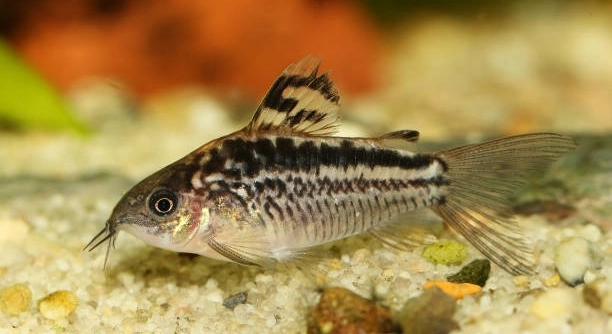
Corydoras catfish are popular aquarium pets known for their friendly nature and interesting behavior. They often spend their time exploring the substrate, which plays a key role in their overall health and happiness.
To determine if your Corydoras catfish prefers a different substrate, observe its behavior and movement patterns. If your fish seems stressed, lethargic, or avoids the bottom, it might be signaling a preference for a substrate change.
Learning about the ideal substrate for your Corydoras will help you create a more comfortable environment for them. Keep reading to explore the clues that can guide you in choosing the best substrate for your fish.
1. Corydoras’ Natural Habits and Substrate Preferences
Corydoras catfish are bottom-dwellers, which means they spend most of their time interacting with the substrate. In their natural environment, they search for food, dig, and explore the substrate for shelter. These behaviors are essential for their well-being. The right substrate allows them to exhibit natural behaviors like scavenging for food and burying themselves. Sand and fine gravel are often favored in their native habitats, as these materials are gentle on their delicate barbels. When choosing a substrate, it’s essential to consider these preferences to avoid stressing the fish.
The wrong substrate can irritate the catfish, leading to discomfort. Materials like sharp gravel or coarse rocks can cause injury to their sensitive barbels. These fish are not only looking for a place to rest but also for a surface that supports their instincts to dig, search, and explore.
Additionally, choosing a fine, soft substrate helps maintain water quality, as it’s less likely to trap debris that could cause poor water conditions. A suitable substrate allows your Corydoras to feel secure and healthy in their environment. It also creates an ideal environment for biological filtration, helping to maintain a healthy tank.
2. Behavioral Clues That Indicate Substrate Preference
The way your Corydoras behaves can reveal a lot about its substrate preferences. When they are happy, they will spend their time foraging and playing around the bottom of the tank. However, if your catfish seems uncomfortable or constantly swims in the upper levels of the tank, it might be time to rethink the substrate.
A Corydoras that avoids the substrate or displays erratic swimming patterns may be indicating that the substrate is too rough or uncomfortable for them. When the fish seem reluctant to touch the substrate with their barbels, it is often a sign that something is wrong. Corydoras rely on their barbels to detect food and navigate, so if they avoid contact with the surface, they could be experiencing irritation or discomfort.
Another common sign of a substrate issue is if your Corydoras constantly looks stressed, hiding in corners, or failing to engage in normal bottom-dwelling behavior. Keeping track of these subtle signs will help you identify when they need a different substrate to feel comfortable again.
3. Substrate Impact on Health
The wrong substrate can lead to health problems for your Corydoras. Sharp or rough materials can cause physical damage to their sensitive barbels, leading to infections. If the substrate is too coarse, it can also cause stress, affecting your fish’s overall immune system.
In some cases, poor substrate can also affect water quality. A rough or uneven substrate can trap debris, which creates an environment for harmful bacteria to grow. When debris accumulates, it can lead to poor water conditions, impacting your fish’s health. Corydoras are sensitive to changes in water quality, and poor conditions can stress them.
The ideal substrate will prevent these problems by being smooth and easy to clean. A substrate that promotes healthy water flow, such as sand or fine gravel, can help prevent these issues. It’s also important to keep the tank clean and free from waste, so your fish remain healthy and happy.
4. Substrate Preferences for Digging and Searching
Corydoras are natural diggers. Their barbels help them sift through the substrate to find food, so they need a material that allows this behavior. Sand is often the best option, as it’s soft enough not to harm their sensitive barbels.
When the substrate is too coarse or rough, it makes it harder for them to dig and search for food. This can lead to frustration and a lack of activity. If your Corydoras aren’t engaging in their typical behavior of digging and searching, it might be a sign that they need a different substrate.
On the other hand, a fine sand substrate allows them to dig freely, mimicking their natural habitat. It provides a safe and comfortable environment for them to express their natural behaviors, which is crucial for their overall well-being. Keep in mind that the substrate should also be smooth, as any sharp edges could harm their delicate barbels.
5. Effects of Substrate on Behavior and Activity Levels
The substrate can significantly influence your Corydoras’ activity level. If they’re on a rough or uncomfortable surface, they may appear lethargic or spend more time hiding. A smooth, fine substrate encourages exploration and active behavior.
Corydoras are naturally active, bottom-dwelling fish. A proper substrate allows them to engage in behaviors like foraging, digging, and swimming along the bottom. If you notice that your fish are not as active or seem restless, it may be due to discomfort from the substrate.
Having a comfortable substrate encourages your Corydoras to explore their tank more freely. It gives them a sense of security and helps them feel at home. By providing the right surface, you can encourage natural behaviors that keep your fish healthy and entertained.
6. How to Choose the Right Substrate for Corydoras
Choosing the right substrate for your Corydoras is essential. Sand and fine gravel are the best options because they’re soft, smooth, and easy on their barbels. Avoid sharp or jagged materials that can cause injury.
A fine, smooth substrate allows your fish to dig, search for food, and move freely without causing harm. This is crucial for their health and well-being. Additionally, sand tends to be better at maintaining water quality by not trapping debris as much as coarser materials.
When selecting a substrate, also keep in mind that the thickness of the layer matters. A layer that’s too thick can create anoxic pockets, which may lead to poor water quality. So, a shallow layer of sand or fine gravel is typically the best choice for Corydoras.
7. Other Tank Conditions to Consider for Corydoras
While substrate is important, there are other factors to consider when creating a healthy environment for your Corydoras. Water temperature, filtration, and tank mates also play a big role. Ensure the tank is properly filtered, as clean water is essential for their health.
FAQ
What is the best substrate for Corydoras catfish?
The best substrate for Corydoras catfish is fine sand or smooth gravel. Sand is particularly ideal because it mimics the soft, natural environment these fish are used to. It allows them to dig and sift through it easily without causing injury to their delicate barbels. Gravel should also be smooth and small enough not to irritate their sensitive barbels. Avoid sharp or jagged substrates, such as large rocks or rough gravel, as they can cause cuts and lead to infections. A smooth, soft substrate helps keep your Corydoras healthy and active.
Can Corydoras live on pebbles or large gravel?
Corydoras can technically live on pebbles or large gravel, but it’s not the ideal environment for them. These fish rely on their barbels to search for food, and coarse gravel or pebbles can harm their barbels over time, leading to discomfort or even injury. It can also restrict their natural digging behavior. While they may adapt, they are far more comfortable in soft, smooth sand or fine gravel. If you already have larger gravel, you can try adding a layer of sand in certain areas of the tank to give them more options.
How often should I clean the substrate in my Corydoras tank?
Cleaning the substrate in a Corydoras tank should be done regularly to maintain good water quality. It’s recommended to vacuum the substrate during water changes at least once every two weeks. This removes excess debris and waste that could decompose and harm your fish. Make sure to clean the sand or gravel gently to avoid disturbing the natural arrangement of your tank and harming your fish. Be careful not to remove too much of the beneficial bacteria from the substrate, which helps maintain healthy water conditions.
Can Corydoras catfish live in tanks with rough substrates?
While Corydoras catfish can survive in tanks with rough substrates, it is not ideal for their health. Rough or jagged materials can easily damage their delicate barbels, which they rely on for navigation and food detection. Over time, these injuries can lead to infections or other health issues. To keep your Corydoras healthy, it’s best to opt for a fine, smooth substrate that allows them to move freely and engage in natural behaviors like digging and foraging.
Why is my Corydoras avoiding the bottom of the tank?
If your Corydoras catfish is avoiding the bottom of the tank, it could be a sign that the substrate is uncomfortable or unsuitable. Rough or sharp substrates can irritate their sensitive barbels, causing them to avoid contact with the bottom. Additionally, if the substrate traps too much debris or affects water quality, your Corydoras may feel stressed or unsafe. Try changing the substrate to a finer material, such as sand, to give them a more comfortable environment. Also, check the water quality and ensure it’s optimal for their health.
How do I know if my Corydoras prefers sand over gravel?
Corydoras catfish naturally prefer sand over gravel because it allows them to sift through it with their barbels without causing injury. If you notice that your Corydoras is more active in areas with sand or spends more time digging and foraging in those spots, it could be an indication that they prefer it. They might avoid areas with gravel, especially if it’s sharp or too coarse for their delicate barbels. Observe their behavior closely to determine their preference, as fish can show clear signs when they feel more comfortable.
Can I mix sand with gravel in a Corydoras tank?
Yes, you can mix sand with gravel in a Corydoras tank, but it’s important to ensure the gravel is smooth and small enough not to cause harm. Mixing sand with fine gravel can provide variation in texture, giving your Corydoras areas to dig through and explore. However, avoid using larger, rough gravel, as it can damage their barbels. If you decide to mix, be sure to layer the sand on top or use it in areas where your Corydoras are likely to spend most of their time. Keep the tank clean, as mixed substrates can trap waste more easily.
How do I make sure my Corydoras’ substrate is safe for them?
To ensure your Corydoras’ substrate is safe, choose smooth, fine sand or small, smooth gravel. Test the substrate by feeling it with your hand to ensure it’s not sharp or coarse. Sand is often the safest choice, as it mimics their natural habitat and allows them to dig without injury. If you’re using gravel, make sure it’s small enough to avoid discomfort. Avoid any materials that may affect water quality or cause stress. Regularly check the substrate for signs of wear, such as rough spots, and clean it regularly to prevent harmful build-up.
Do Corydoras prefer dark or light substrates?
Corydoras don’t have a strong preference for dark or light substrates, as they are more focused on the texture and comfort of the substrate. They are more likely to thrive in environments where the substrate allows them to engage in natural behaviors like digging and searching for food. That said, a darker substrate can help highlight the fish’s natural colors, creating a more aesthetically pleasing environment for both the fish and the aquarist. Ultimately, the most important factor is providing a smooth and comfortable surface for your Corydoras to interact with.
How can I keep the substrate clean for my Corydoras?
To keep the substrate clean for your Corydoras, perform regular water changes and vacuum the substrate during each change. A gravel vacuum is an excellent tool for gently cleaning sand and gravel without disturbing the fish. Be sure to avoid disturbing the substrate too much, as beneficial bacteria can be removed in the process. Make sure your filtration system is working properly and is appropriate for the size of your tank, as a strong filter helps keep the water clean, reducing the buildup of waste in the substrate.
Final Thoughts
Choosing the right substrate for your Corydoras catfish is an important aspect of setting up a healthy aquarium. These fish are bottom-dwellers and spend much of their time interacting with the substrate, so it’s essential to create an environment that supports their natural behaviors. The ideal substrate should be smooth, soft, and fine, such as sand or small, smooth gravel. This helps protect their sensitive barbels and allows them to dig, search for food, and explore their surroundings freely. A comfortable substrate will also contribute to better water quality and ensure that your Corydoras remain healthy.
If you notice signs that your Corydoras aren’t behaving normally, such as avoiding the bottom of the tank or appearing lethargic, it may be a sign that the substrate is not right for them. Sharp, rough, or large gravel can cause injury to their barbels, leading to stress and discomfort. In these cases, changing the substrate to something finer and smoother can make a big difference. Sand is often the best option, as it closely resembles the fish’s natural habitat and allows them to exhibit natural behaviors without causing harm.
Maintaining the right substrate is just one part of keeping your Corydoras happy and healthy. Regular tank maintenance, including cleaning the substrate, monitoring water quality, and providing a proper filtration system, will help ensure that your fish stay active and healthy. By paying attention to their substrate needs, you can create a comfortable and safe environment where your Corydoras can thrive and live a long, happy life.

Hello,
If you enjoy the content that we create, please consider saying a "Thank You!" by leaving a tip.
Every little bit helps us continue crafting quality advice that supports the health, happiness, and well-being of pets around the world, for pets of all shapes, sizes, and species.
We really appreciate the kindness and support that you show us!