
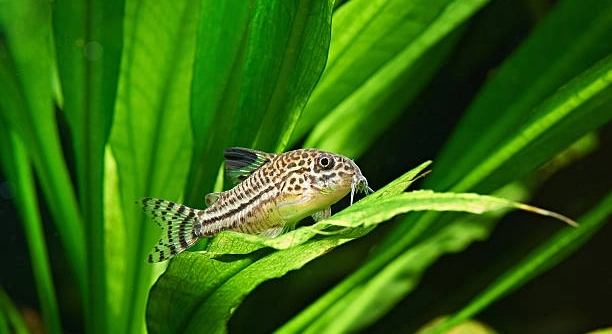
Corydoras catfish are popular aquarium fish known for their peaceful nature. If you have one, you might wonder whether it has enough space to thrive. Having the right tank size is crucial to their health and well-being.
Corydoras catfish require enough swimming space to remain healthy. When they become cramped, they may show signs of stress, like excessive hiding, abnormal behavior, or slower growth. Providing more tank space can help avoid these issues.
In the following sections, we will cover seven important clues that signal your Corydoras may need more space. These signs can help you create a better environment for your fish to thrive and stay healthy.
1. Your Corydoras Catfish Is Constantly Hiding
One of the first signs that your Corydoras might need more space is if it’s constantly hiding. These fish are naturally shy, but when they feel stressed, they’ll seek shelter more often. If you notice them spending a lot of time hidden in caves, plants, or corners of the tank, it could indicate that they are uncomfortable with their current environment. Overcrowding, insufficient swimming space, or high levels of aggression from tankmates can all contribute to this behavior.
When your Corydoras catfish hides frequently, it’s a signal that they’re stressed and not able to move freely. It’s crucial to assess the tank’s size and environment to make sure it meets the needs of your fish. If you’ve added more fish recently or haven’t upgraded your tank in a while, it might be time to provide more room.
If hiding becomes a regular occurrence, it’s essential to act quickly. Stress from cramped living conditions can weaken your Corydoras’ immune system, making it vulnerable to disease. A larger tank with appropriate decorations for hiding and swimming will help reduce their anxiety and improve overall well-being.
2. Behavior Seems Slower Than Usual
If your Corydoras catfish has become noticeably slower or lethargic, this could be another indication that it lacks enough tank space. Fish that feel cramped might move sluggishly, avoiding activities like scavenging for food. Limited space can cause a lack of stimulation, leading to inactivity.
Reducing this issue requires creating an environment where your Corydoras has room to swim and explore. Adding extra tank space or adjusting the layout can make a big difference. It’s important to keep the tank clean and ensure water parameters are ideal.
3. Aggressive Behavior Toward Tankmates
If your Corydoras catfish begins to show signs of aggression toward other fish, it could be due to stress caused by overcrowding. Fish that feel cramped often become territorial, leading to aggression. This can result in chasing, fin nipping, or blocking others from certain areas of the tank.
In a well-sized tank, Corydoras are generally peaceful, but when they’re confined to a small space, their behavior can change. A lack of space for each fish to establish its territory can lead to constant conflict. If you notice this aggression, it’s time to consider providing more room or reorganizing the tank layout.
Keeping the tank clean and ensuring appropriate hiding spaces for each fish can also help. A tank with plenty of hiding spots allows fish to retreat when feeling threatened. Make sure to keep an eye on any signs of injury or distress in your fish to prevent long-term harm.
4. Excessive Surface Breathing
If your Corydoras is spending more time near the surface and gasping for air, this may indicate poor water quality, but it can also be a sign of overcrowding. Limited space means that oxygen levels in the tank can drop, causing fish to struggle for air.
To help improve the situation, consider adding an air pump or increasing water movement. A larger tank allows for better circulation, which can help maintain proper oxygen levels. Also, check your filtration system to ensure it’s adequate for the tank size and number of fish you have.
In addition to more space and better oxygenation, it’s important to perform regular water changes to keep the water clean and fresh. Ensuring proper water quality will not only reduce surface breathing but also promote the overall health of your Corydoras and other fish.
5. Stunted Growth
If your Corydoras catfish is not growing as it should, it might be due to insufficient space. A cramped environment can limit their ability to grow properly. Fish that don’t have enough room to swim or forage may experience stunted growth, despite having access to enough food.
To support healthy growth, make sure the tank provides adequate space for your Corydoras to move around freely. A cramped tank can also lead to stress, which affects their metabolism and overall development. Increasing the tank size and providing a suitable environment can help your Corydoras reach its full potential.
6. Uneven or Odd Swimming Patterns
When a Corydoras catfish feels crowded, it may start swimming in erratic patterns. You might notice them constantly darting around, swimming in circles, or scraping against objects. This behavior can be a sign of stress due to limited space.
This can be resolved by giving your fish a larger, more open tank where they can swim comfortably. Providing plants and rocks can help reduce stress, but there should still be plenty of open space. Keeping an eye on your fish’s swimming habits is crucial for noticing these signs early.
7. Poor Water Quality and Increased Waste
If you notice an increase in waste buildup or a decline in water quality, this may be due to overcrowding. More fish produce more waste, and a small tank struggles to keep up with the filtration needs. This can lead to poor water conditions that affect your Corydoras’ health.
It’s essential to upgrade to a larger tank with more efficient filtration. Regular water changes and maintenance are also necessary to prevent a buildup of harmful toxins. Clean water and proper filtration are vital for ensuring your fish stays healthy in a larger environment.
FAQ
What is the ideal tank size for Corydoras catfish?
Corydoras catfish do best in a tank that’s at least 20 gallons, but the more space you provide, the better. A larger tank gives them room to move and swim freely, reducing stress. For every additional Corydoras, you should increase the tank size by around 5 gallons. Keeping them in a cramped tank can lead to health problems and stress.
How many Corydoras can be kept in a 20-gallon tank?
For a 20-gallon tank, you can comfortably keep about 6-8 Corydoras catfish. This allows them enough space to swim and interact with each other without overcrowding. However, if you plan on adding other fish, make sure to account for their space requirements as well.
Do Corydoras catfish need to be in groups?
Yes, Corydoras are social fish and thrive when kept in groups. A group of at least 4-6 is recommended. When kept alone or in small numbers, they can become stressed or shy. In a group, they feel safer and are more active, as they enjoy exploring together.
Can Corydoras live with other types of fish?
Corydoras are peaceful and generally get along well with other non-aggressive fish. They can live with most community tank species such as tetras, guppies, and other small, peaceful fish. Avoid keeping them with larger, aggressive fish that may bully or harm them. Ensure there’s enough space and hiding spots for everyone.
How do I know if my Corydoras are stressed?
Stressed Corydoras will display behaviors such as excessive hiding, reduced activity, or erratic swimming patterns. They might swim in circles or scrape their bodies against objects in the tank. Stress can also cause poor appetite, slowed growth, and signs of disease. Overcrowding, poor water quality, or unsuitable tankmates are common stressors.
What are the signs of overcrowding in a Corydoras tank?
Overcrowding can lead to visible signs like aggressive behavior, erratic swimming, poor water quality, and increased waste. Your Corydoras may spend more time hiding or breathing at the surface. If these behaviors are noticeable, it’s time to reevaluate your tank size and stocking levels.
Can I add more Corydoras to an already crowded tank?
If your tank is already overcrowded, adding more Corydoras may make things worse. Before adding more fish, increase the tank size and make sure there’s enough space for each one to swim comfortably. You may need to adjust the number of fish in the tank to prevent stress and other issues.
How often should I clean a Corydoras tank?
Regular cleaning is essential to maintaining good water quality for your Corydoras. Perform a partial water change every week or two, depending on the tank’s size and population. Clean the substrate, filter, and any decorations as needed, but avoid disturbing the beneficial bacteria in the filter. Over-cleaning can cause a sudden change in water parameters, stressing the fish.
What temperature do Corydoras catfish prefer?
Corydoras prefer water temperatures between 72°F and 78°F (22°C – 25°C). Keeping the water within this range helps maintain their health and keeps them active. Water that’s too warm or too cold can cause stress or even illness. Make sure to monitor the water temperature regularly to keep it stable.
What do Corydoras catfish eat?
Corydoras are bottom feeders and will eat a variety of foods. They enjoy sinking pellets, algae wafers, and live or frozen foods like bloodworms and brine shrimp. Make sure to provide a varied diet to keep them healthy. They also scavenger for leftover food in the tank, helping to keep it clean.
Do Corydoras catfish need a special tank setup?
While Corydoras don’t require a very specific setup, they do need a soft substrate like sand or fine gravel. This is important because rough substrates can damage their sensitive barbels. Additionally, providing plenty of hiding spots and plants will help them feel secure. A gentle filter that doesn’t create strong currents is ideal for their environment.
How long do Corydoras catfish live?
Corydoras can live up to 5-7 years, or even longer with proper care. Their lifespan depends on water quality, tank size, diet, and overall conditions. Regular maintenance and attention to their needs will ensure they live a long, healthy life in your aquarium.
Can I keep Corydoras catfish with shrimp?
Corydoras and shrimp can live together in the same tank if there’s enough space and hiding places for both. Corydoras may occasionally disturb smaller shrimp, especially when scavenging for food. However, they are not aggressive toward shrimp and generally cohabit peacefully with species like cherry shrimp, ghost shrimp, and Amano shrimp.
Why do Corydoras catfish sometimes “dance” or twitch?
When Corydoras catfish “dance” or twitch, they are often displaying a mating behavior or simply showing excitement or curiosity. This is perfectly normal and part of their social behavior. If your Corydoras is healthy and active, this behavior indicates they feel comfortable and are enjoying their environment.
How can I reduce stress for my Corydoras catfish?
To reduce stress, make sure your Corydoras have a spacious tank with a gentle filtration system, clean water, and suitable tankmates. Avoid overcrowding, and provide hiding spots like plants, rocks, or caves. Regular water changes and a stable environment will also help keep your fish stress-free.
Final Thoughts
Corydoras catfish are peaceful, bottom-dwelling fish that thrive in well-maintained aquariums. Providing them with enough space is essential to their health and happiness. When they don’t have enough room to move, it can lead to stress and behavioral issues. Overcrowding can also result in poor water quality, which further affects their well-being. By ensuring your tank is spacious and properly set up, you can avoid many of the common problems associated with these fish. The right environment will allow your Corydoras to be active, healthy, and free from stress.
If you notice signs of overcrowding, such as hiding, poor growth, or aggressive behavior, it’s important to act quickly. You may need to upgrade your tank or reduce the number of fish. A larger tank will not only help your Corydoras but also improve the overall health of your aquarium. Adding more space and adjusting the tank layout can make a significant difference in their behavior and well-being. Pay close attention to their needs and always monitor water quality to ensure a healthy environment.
Creating a comfortable and stress-free environment for your Corydoras can help them live a long, healthy life. By providing them with the space, food, and care they need, you’ll set them up for success. Remember, these small catfish are very social and enjoy the company of their own kind, so always aim to keep them in groups. With the right tank size and attention to their needs, your Corydoras will thrive and bring beauty to your aquarium for many years.

Hello,
If you enjoy the content that we create, please consider saying a "Thank You!" by leaving a tip.
Every little bit helps us continue crafting quality advice that supports the health, happiness, and well-being of pets around the world, for pets of all shapes, sizes, and species.
We really appreciate the kindness and support that you show us!