
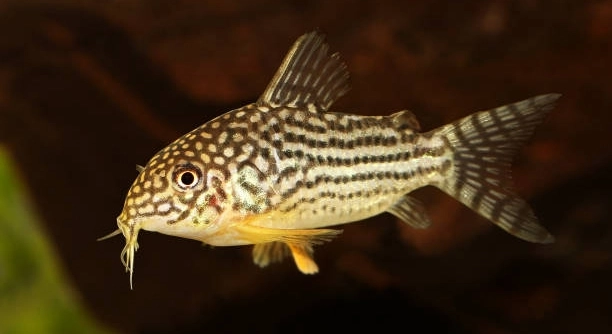
Have you ever noticed your corydoras catfish acting differently after another fish in the tank has passed away or been removed?
Corydoras catfish can exhibit behavioral changes when a tank mate is lost, often displaying signs of stress, reduced activity, or changes in feeding habits. These responses suggest a level of social connection and adjustment.
From subtle shifts in swimming patterns to moments of quiet stillness, understanding these changes can help you better support your corydoras during this time.
7 Clues Your Corydoras Catfish Misses a Lost Tank Mate
Corydoras catfish are peaceful, social fish that often develop close bonds with others in their group. When one goes missing or passes away, the remaining fish may show clear signs of change. You might notice them swimming less or hovering around the spot where their mate used to spend time. They may lose interest in food or become more isolated from the group. These are not just random changes but responses to the absence of a companion. Corydoras thrive in small groups, and removing one can disturb the balance. Their social structure plays a big role in how they act daily. Watching for changes in their behavior can help you respond with care. Reintroducing companions or offering environmental stimulation may ease their stress. Keeping their routine steady can also make a difference as they adjust to the new tank dynamic.
Corydoras catfish often form small social groups, and the loss of a tank mate can lead to visible behavioral changes.
If your corydoras is missing a mate, it may swim less, hide more often, or stop playing in the current. Some fish will even wait in quiet corners, almost as if searching. While these signs may vary, consistent changes are worth noting. Corydoras may not show strong emotions the way humans do, but their patterns do reflect when something feels off. If left alone for too long without companions, they may begin to decline. It helps to observe and respond early. Adding new companions or enriching the tank with hiding spots and gentle water flow might help ease the transition. A stable tank with familiar elements also brings comfort. Each fish reacts differently, but they do feel the change—and your attention can make a difference in how they adjust.
What You Can Do to Help
Adding more corydoras to the tank is usually the best way to restore balance and improve behavior.
These catfish do best in small groups of at least five or six. When one passes away, the others can feel the absence. To support your corydoras, start by checking their tank environment. Make sure the water is clean, temperatures are stable, and there’s enough space. If everything looks good and the fish still shows signs of stress, consider adding one or two more corydoras of a similar size and species. This can help re-establish the group dynamic. Be sure to introduce new fish gradually, allowing them time to adjust. You can also rearrange tank decorations or add plants to stimulate their interest. Sometimes, small changes are enough to reduce anxiety. Keeping a consistent feeding routine and gentle lighting can also help. Watching your corydoras return to active swimming and social behavior is a sign that things are improving.
How Long Do Corydoras Grieve?
Corydoras may show signs of grief for several days to a couple of weeks. The exact time depends on the fish’s personality, the tank environment, and whether new companions are introduced quickly.
During this time, the fish may avoid areas where the lost tank mate used to swim. You might see them hiding more, eating less, or swimming slowly near the bottom. These signs are normal, and it’s important to watch them closely without making too many sudden changes. Keep feeding consistent and avoid loud noises or harsh lighting. Let them have space to adjust. If the behavior starts to improve after a few days, that’s a good sign. But if things stay the same for over two weeks, adding new tank mates or rearranging the tank may help them feel better and become more active again.
Grief can show up differently in every fish. Some corydoras bounce back quickly once they feel safe again. Others take more time and may continue acting distant until they have social comfort again. While their behavior might seem simple, it can reflect how they respond to change. It helps to give them time and keep their surroundings stable. If possible, observe them during feeding times and in the evening when they are most active. Look for small signs of improvement—like playful swimming or responding to food—as these can signal they are adjusting. Try not to rush the process. Some fish need extra support, and offering that calm, familiar routine can really help.
Do Corydoras Get Lonely?
Corydoras are schooling fish and do not like being alone. When kept by themselves or in very small groups, they often become less active, hide more, and may stop exploring or playing in the current.
Being in a group helps them feel safe and relaxed. Without others around, their behavior can change quickly, and they may even show signs of stress. Keeping at least five or six corydoras together supports their need for social connection and encourages natural behaviors.
Can Corydoras Bond With Other Fish?
Corydoras can live peacefully with many calm community fish, but they usually form closer bonds with their own kind. While they might swim near other species, it’s not the same kind of interaction they share within their own group. When placed with enough of their species, corydoras tend to shoal, play, and rest together. These shared moments build a sense of safety. Although they tolerate others, they rely on their own group for comfort and social cues. If you want them to feel secure, always try to give them company from their own kind.
What Happens If You Don’t Add a New Corydoras?
If a corydoras is left alone too long, it can grow inactive and stressed. Over time, this may affect its health and lead to a shorter lifespan.
FAQ
How can I tell if my corydoras is stressed after losing a tank mate?
Signs of stress in corydoras can include hiding more than usual, lack of interest in food, or becoming less active. They may also swim aimlessly or stay in the same spot for extended periods. These behaviors indicate that they are adjusting to the change. The fish may also stop interacting with other tank mates and may become more sensitive to environmental changes. A stressed corydoras might also develop pale coloring or show signs of lethargy. If the behavior persists for more than a couple of weeks, it’s important to address the situation, whether by adding a new mate or improving the tank’s conditions.
Can corydoras live alone after losing a mate?
Corydoras can technically survive alone, but it is not recommended. These fish are social by nature, and being alone can lead to stress, depression, and even physical decline over time. When kept alone, they are more likely to hide and stop eating properly. If your corydoras lost a mate, it’s best to add at least one more corydoras or other peaceful tank mates to help maintain their social structure and overall well-being. A group of at least five or six is ideal for creating a healthy and comfortable environment for your corydoras.
Is it possible to add new corydoras immediately after one dies?
It’s not always advisable to add new corydoras immediately after one dies. The remaining fish might still be adjusting to the loss and may not interact with the new fish right away. Adding new corydoras too soon can cause further stress, as it disrupts the tank’s balance. It’s best to wait for a few days and observe the behavior of your fish before introducing new ones. This gives the remaining corydoras some time to adjust. When introducing new fish, ensure the water parameters match and introduce the new corydoras gradually.
How do I help a stressed corydoras feel better?
To help a stressed corydoras, start by ensuring the water quality is optimal. Make sure the water temperature, pH, and hardness are within the acceptable range for corydoras. Poor water conditions can exacerbate stress, so regular water changes and a good filtration system are essential. Add more hiding spots like plants or rocks to make them feel secure. If they are alone, consider adding a few more corydoras or compatible tank mates. Lastly, try not to disturb the tank too often. Corydoras are shy, and loud noises or sudden movements can further stress them out.
How do corydoras react to the loss of their mate?
When a corydoras loses a mate, it often shows signs of distress. This could include swimming aimlessly, hiding more, or not interacting with other fish. They may also stop feeding or become lethargic. Their behavior might become more subdued, and they may avoid areas where they used to swim with their mate. In some cases, corydoras may become more aggressive towards other tank mates or display a lack of interest in their environment. Their response to the loss can vary depending on their personality and how strongly they bonded with their companion.
Can I put different species of corydoras together?
Yes, you can mix different species of corydoras together, but it’s important to ensure they are compatible. Most corydoras species are peaceful and will get along, but some might be more dominant than others. It’s essential to make sure they all have enough space to swim and access to food. Mixing species helps create a more dynamic group and offers some variety in behavior. However, it’s best to introduce them gradually and observe how they interact. Some species might be more social and active, while others could prefer hiding, so consider their behavior before adding them.
What is the best group size for corydoras?
Corydoras should be kept in groups of at least five or six. In smaller groups, they can become stressed and may not exhibit their natural behaviors. Having a larger group helps create a more secure environment where they can socialize and feel protected. Corydoras are schooling fish, and a group gives them the comfort of having other fish around, reducing stress. In a well-sized group, they are more likely to be active, explore their environment, and display playful behaviors. Keeping them in a group also mimics their natural habitat, promoting better health and happiness.
Can I replace a lost corydoras with another fish species?
While you can introduce another species into the tank, it’s generally better to add another corydoras. Corydoras are social fish that prefer the company of their own kind, and adding a different species might not provide the same comfort. If you decide to add a new species, make sure it’s peaceful and can live well with corydoras. Species like tetras or small livebearers might work, but it’s crucial to avoid aggressive or territorial fish. If you’re unsure, adding another corydoras is always the safest and most effective choice for maintaining a balanced tank.
How long does it take for corydoras to get used to a new mate?
Corydoras may take a few days to a couple of weeks to adjust to a new mate. Initially, they might appear shy or avoid interacting, especially if the new fish is unfamiliar. It’s important to introduce new fish gradually, giving both the old and new corydoras time to adjust. During this period, you should monitor them for signs of aggression or stress, and make sure the tank is large enough for them to establish their space. With time, they’ll usually begin to shoal together and establish their own social hierarchy.
Do corydoras need a specific kind of food after losing a mate?
Corydoras don’t require a specific kind of food after losing a mate, but they may eat less during times of stress. To encourage eating, provide them with their favorite foods, such as sinking pellets, frozen or live foods like bloodworms or brine shrimp, and occasional vegetables. Offering a variety of food types can help stimulate their appetite. It’s also helpful to feed them during their usual feeding times and avoid disturbing them too much. If your corydoras isn’t eating or showing interest in food, it could be a sign of deeper stress, and you may need to adjust the tank environment or introduce a new mate.
Final Thoughts
Corydoras catfish are social fish that thrive in groups, and they can feel the loss of a tank mate. When a corydoras loses a companion, it might show signs of stress like hiding more, not eating, or swimming aimlessly. These behaviors are usually temporary, but they can last longer if the fish doesn’t have the support of other corydoras or a stable environment. Observing your fish and understanding their behavior will help you know when it’s time to add new companions or make changes to the tank.
Adding a new corydoras can be helpful, but it’s important to introduce them gradually. Corydoras may take some time to get used to new tank mates, so patience is key. Don’t rush the process; instead, let the fish adjust to each other in a calm, stable environment. Ensure the water conditions are suitable and provide enough hiding spots to help reduce any stress during the transition. Adding more of the same species can help maintain a balanced social structure, which in turn can improve their overall health and activity.
Ultimately, your corydoras will recover from the loss of a mate, especially with proper care and attention. Whether you choose to add new fish or simply give the existing ones more time to adjust, being mindful of their environment and needs is essential. Providing them with a consistent, peaceful setting will support their recovery and allow them to feel secure again. By maintaining a healthy, social tank, you’ll ensure that your corydoras live happy, active lives.

Hello,
If you enjoy the content that we create, please consider saying a "Thank You!" by leaving a tip.
Every little bit helps us continue crafting quality advice that supports the health, happiness, and well-being of pets around the world, for pets of all shapes, sizes, and species.
We really appreciate the kindness and support that you show us!