
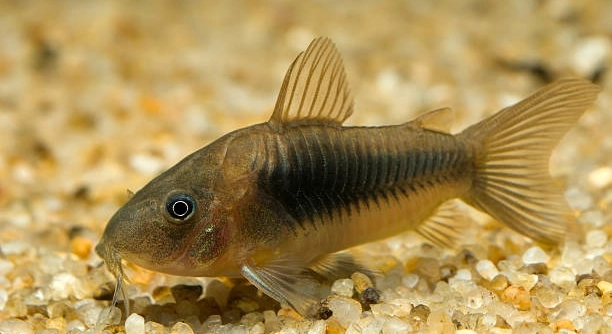
When temperatures suddenly drop, it’s important to keep an eye on your Corydoras catfish. These little fish are sensitive to changes in water temperature, which can affect their health and behavior.
Corydoras catfish are particularly vulnerable to cold temperatures. If your aquarium drops below their ideal range (around 72-78°F), you may notice signs like sluggishness, decreased appetite, and abnormal swimming patterns. Quick action can help them recover.
Understanding how temperature affects your Corydoras can help prevent stress and health problems. Learn how to spot the signs and what to do if your fish are too cold.
Why Temperature Matters for Your Corydoras Catfish
Corydoras catfish are sensitive to water temperature changes. When temperatures drop, their bodies struggle to maintain normal functions, leading to stress and health issues. These fish thrive in a temperature range of 72-78°F (22-25°C), and anything lower can cause significant problems. If your tank becomes too cold, they may become sluggish, eat less, or swim erratically. Cold temperatures slow down their metabolism, making them more susceptible to infections and other illnesses. It’s crucial to monitor and maintain stable water conditions to avoid putting unnecessary stress on your Corydoras.
Even small temperature drops can affect their health. A drop of just a few degrees can make them more vulnerable to disease and reduce their overall vitality.
If you suspect a temperature issue, act quickly to warm up the water. A sudden change from too cold to too warm can cause stress, so do it gradually. Adding a reliable heater is a simple solution to keeping your tank at a consistent, ideal temperature.
Recognizing the Signs of a Cold Corydoras Catfish
When Corydoras catfish are too cold, they show distinct behaviors. Look out for signs such as lethargy, loss of appetite, and erratic swimming patterns.
These behaviors indicate your Corydoras might be struggling due to a temperature drop. They may hang out near the substrate, move slowly, or even stop eating altogether. Corydoras are bottom dwellers, and cold water can make them more sluggish, affecting their activity levels. If you notice them staying in one place or moving unusually slow, it’s time to check the temperature and take action.
In addition to behavioral changes, cold temperatures can weaken their immune system, making them more prone to diseases. A sudden drop can cause stress, leaving them more vulnerable to infections. If your fish are showing these signs, it’s important to adjust the temperature before more serious health issues arise. With prompt attention, your Corydoras will likely recover quickly, but ongoing cold conditions can lead to long-term damage.
Signs of Stress in Your Corydoras
Corydoras can get stressed quickly if temperatures drop. One clear sign of stress is rapid breathing or gasping for air. This indicates they’re having trouble regulating their body temperature and may be struggling to get enough oxygen.
When Corydoras are too cold, their immune systems weaken, and they become more vulnerable to stress. In addition to fast breathing, they might start rubbing against objects or scraping their bodies. This behavior is often a sign of irritation or discomfort. They may also hide more than usual, staying away from the rest of the tank. Monitoring these signs will help you address the issue early.
Stress can also cause Corydoras to become more aggressive, especially toward tank mates. Normally peaceful fish may start acting out when they’re cold. If aggression starts, it’s a good idea to check the water temperature and make adjustments.
How to Adjust the Temperature Safely
Gradually raising the temperature in the tank is the safest way to warm up cold water. Doing it slowly, no more than 2°F per hour, will prevent additional stress on the fish.
If the temperature is too low, first check the tank’s heater. A malfunctioning heater may be the reason behind the sudden drop. Make sure the heater is set to the right temperature and is working properly. If it isn’t, replace it or invest in a more reliable model. After adjusting the temperature, keep monitoring it with a thermometer to ensure it stays within the right range.
Avoid using sudden methods like boiling water or adding hot water directly into the tank, as these can shock the fish. A consistent, gradual increase in temperature is much safer for your Corydoras. A stable environment is key to keeping them healthy and stress-free.
How to Maintain Stable Tank Temperature
Keeping the temperature consistent is key for your Corydoras. Use a good quality heater and a thermometer to monitor the water regularly. A heater with an adjustable thermostat allows you to control the temperature more accurately.
Setting the heater in the correct location in the tank also matters. It should be placed near a water flow area to evenly distribute heat. Avoid placing it near the substrate, as this can lead to cold spots.
Consistency is essential for Corydoras. Regular checks and careful adjustments help prevent rapid temperature fluctuations that can cause stress.
The Role of Tank Size in Temperature Regulation
The size of your tank affects how quickly the water temperature changes. Larger tanks take longer to cool down or heat up, which can help stabilize the environment for your fish. Smaller tanks, on the other hand, are more susceptible to temperature fluctuations.
When setting up your aquarium, make sure the heater is suitable for the tank size. Over or underpowered heaters may struggle to maintain a consistent temperature, causing the water to become too cold or warm quickly. Matching your heater’s wattage to your tank size is essential for long-term stability.
Additional Tips for Keeping Your Corydoras Comfortable
Consider using an aquarium cover to help keep the temperature stable. Covers reduce heat loss and help maintain water temperature more effectively. This is especially helpful in cooler environments or when you’re using a heater that doesn’t fully regulate the tank’s temperature.
FAQ
What is the ideal temperature range for Corydoras catfish?
Corydoras catfish thrive in water temperatures between 72°F and 78°F (22°C-25°C). Keeping the water within this range helps maintain their health and energy levels. Temperatures outside this range can cause stress and reduce their immune system’s effectiveness. While they can tolerate slight fluctuations, it’s best to keep it consistent. A reliable heater and thermometer can ensure the temperature stays stable.
How can I tell if my Corydoras are too cold?
Signs that your Corydoras are too cold include sluggish swimming, staying near the bottom of the tank, loss of appetite, or erratic movements. They may also become less active and hide more often. Cold temperatures slow their metabolism, leading to these behaviors. If you notice these signs, check the water temperature and take steps to adjust it gradually.
Can Corydoras survive in cold water?
Corydoras are not suited for cold water for extended periods. They are tropical fish, so cold temperatures can lead to a weakened immune system, reduced appetite, and stress. While they may survive short-term exposure to colder water, prolonged exposure can result in serious health issues. Always aim to maintain a temperature within their preferred range for their long-term health.
What are the dangers of sudden temperature drops for Corydoras?
Sudden drops in temperature can cause shock to Corydoras, leading to stress and possible illness. Their immune systems may weaken, leaving them vulnerable to infections like ich. A rapid change in water temperature can be more harmful than a slow, steady decrease or increase. Always adjust the temperature gradually, no more than 2°F per hour, to avoid causing stress to your fish.
How do I warm up the water if the temperature is too low?
If the water is too cold, use an aquarium heater to gradually raise the temperature. Avoid quick fixes like adding hot water, as this can cause temperature fluctuations that stress your Corydoras. A slow increase in temperature, no more than 2°F per hour, is best. Ensure the heater is placed in a location where it can evenly distribute heat across the tank.
What happens if Corydoras stay in water that is too cold for too long?
If Corydoras remain in water that’s too cold for an extended period, their metabolism slows down significantly. This can lead to lethargy, a weakened immune system, and a loss of appetite. They become more susceptible to diseases like fungal or bacterial infections. Prolonged exposure to cold water can also shorten their lifespan. It’s essential to keep the tank temperature within the optimal range to prevent these problems.
How do I prevent temperature fluctuations in my aquarium?
To prevent temperature fluctuations, use a high-quality heater that is suited for your tank size. Check that the heater has an adjustable thermostat and place it in a location where the heat can spread evenly. A thermometer will help you monitor the water temperature to make sure it stays within the ideal range. Additionally, using a tank cover can help prevent heat loss, especially in cooler environments.
Is it okay to use ice to cool the water?
Using ice to cool the water is not recommended. While it may temporarily lower the temperature, it can cause sudden and drastic changes in the water temperature, which can be harmful to your Corydoras. If the water is too warm, it’s better to use a fan or perform a partial water change with cooler water instead. Always aim for gradual changes to avoid stressing the fish.
What should I do if my Corydoras are not eating after a temperature drop?
If your Corydoras stop eating after a temperature drop, it could be due to the stress of the cold water. Start by slowly adjusting the temperature to their preferred range. It’s also important to avoid overfeeding them during this time, as they may not be able to digest food properly. If the fish continue to refuse food for an extended period, it could indicate more serious health issues, so consider consulting with a veterinarian.
How often should I check the temperature of the tank?
It’s a good practice to check the water temperature in your aquarium at least once a day, especially if you live in an area with fluctuating room temperatures. Regular monitoring ensures you can catch any temperature changes early and adjust the heater as needed. Keeping a thermometer in the tank will help you track the temperature more easily. If you notice any large temperature shifts, take immediate action to stabilize it.
Can Corydoras live with other fish at lower temperatures?
Corydoras can live with other fish, but it’s important to ensure that all species in the tank are comfortable with similar temperature ranges. Some fish species prefer colder water, while others require warmer conditions. If the water is too cold for your Corydoras, it may not be suitable for other tropical fish as well. Always research the specific needs of all species in your tank to create a comfortable and stable environment for everyone.
Final Thoughts
Maintaining the right temperature for your Corydoras catfish is essential for their health and well-being. These fish thrive in stable, warm conditions and can easily be affected by temperature drops. A temperature range of 72°F to 78°F (22°C-25°C) is ideal. Anything outside this range can cause stress, reduce their immune system function, and even lead to disease. It’s crucial to monitor the water temperature regularly to ensure it stays within this range, especially during colder months or if your home has fluctuating temperatures.
Corydoras are resilient fish, but their health can be compromised if the water temperature isn’t properly maintained. If you notice your Corydoras acting sluggish, hiding more than usual, or showing signs of distress, the water temperature may be the issue. In these cases, it’s important to check the tank’s temperature and make adjustments. Gradually increasing the temperature if it’s too low can help your fish recover without causing additional stress. A reliable aquarium heater and thermometer can make this process much easier and give you peace of mind knowing your fish are comfortable.
Taking preventive measures is key to keeping your Corydoras healthy in the long term. A stable tank environment, including temperature control, is one of the most important factors. By keeping their habitat in the optimal temperature range, you ensure your fish are happy and stress-free. Regularly monitoring the water and making small adjustments when needed will help prevent problems before they become serious. With the right care, your Corydoras will live a healthy, active life in your aquarium for years to come.

Hello,
If you enjoy the content that we create, please consider saying a "Thank You!" by leaving a tip.
Every little bit helps us continue crafting quality advice that supports the health, happiness, and well-being of pets around the world, for pets of all shapes, sizes, and species.
We really appreciate the kindness and support that you show us!