
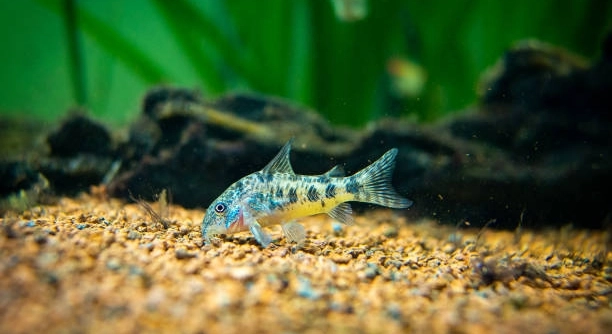
Corydoras catfish are popular among aquarium enthusiasts due to their peaceful nature and playful behavior. However, they can show distinct preferences when it comes to tank mates, influencing their overall well-being and behavior.
Corydoras catfish prefer certain tank mates due to factors like size, behavior, and environmental needs. Fish that are too aggressive or too similar in appearance may stress or compete with the catfish, affecting their comfort and health.
Finding the right companion for your Corydoras catfish can make a noticeable difference in their happiness and behavior. Learning more about these preferences will help create a more harmonious aquarium environment.
Size Matters: Why Tank Mate Size Affects Corydoras
When choosing a tank mate for your Corydoras catfish, size plays a significant role. Corydoras are small fish, typically growing to about 2 to 3 inches. Larger, more aggressive fish may see them as prey or may simply overwhelm them with their size and energy. This can stress your catfish and affect their overall health. Even if the larger fish are peaceful by nature, their sheer size and active swimming behavior can create an environment where your Corydoras feels uncomfortable.
In a peaceful community tank, it’s essential to choose tank mates that are smaller and less aggressive. This ensures that your Corydoras can thrive without constantly being on edge or struggling to avoid larger fish. A good rule of thumb is to keep them with similarly sized or slightly larger peaceful species.
Additionally, larger fish might unintentionally harm your Corydoras simply by bumping into them or competing for food. As a small, bottom-dwelling fish, your Corydoras needs a space where it can comfortably find food and hide when needed. Keeping them with appropriately sized tank mates provides the best chance for a stress-free environment where they can behave naturally.
Temperament: How Aggression Impacts Compatibility
Aggressive fish can make life difficult for a gentle species like the Corydoras. It’s best to choose companions that have calm and non-confrontational temperaments. Fish like bettas or some types of cichlids may not be suitable due to their territorial nature.
Choosing peaceful fish ensures that your Corydoras feels safe and relaxed, allowing it to thrive. Peaceful tank mates reduce stress and create a balanced environment, improving the overall health of the aquarium.
Water Conditions: Matching Tank Mates’ Needs
Corydoras catfish thrive in stable, clean water with a temperature range of 72°F to 78°F and a slightly acidic to neutral pH. When tank mates have vastly different water requirements, it can make things difficult for the Corydoras. Fish that need different temperatures or pH levels will cause stress and might lead to health problems.
If tank mates prefer cooler or warmer temperatures, the Corydoras might become lethargic or ill. For example, goldfish prefer cooler water, while Corydoras need warmth. Incompatible water conditions also affect the fish’s immune system, making them more vulnerable to disease. Therefore, ensuring that tank mates have similar water requirements keeps your catfish comfortable.
It’s also essential to maintain water quality for the health of all fish in the tank. High ammonia or nitrite levels can harm Corydoras and other fish, especially bottom dwellers. Regular water changes and filtration are necessary to maintain a healthy environment for all species, including your catfish.
Tank Layout: Hiding Spaces and Territory
Corydoras are bottom dwellers that like to have plenty of hiding spaces and places to explore. If tank mates are too active or territorial, they can limit the space your Corydoras can use. This can make the catfish feel stressed or overwhelmed.
Providing plenty of plants, rocks, and decorations in the tank creates a sense of security for your Corydoras. Tank mates that respect these spaces will allow your catfish to feel more at ease. Avoid keeping large, territorial fish that may take over the bottom section of the tank, limiting the Corydoras’ movement.
Properly designing the tank layout helps in reducing aggression between fish. A well-planted tank gives Corydoras places to hide and explore, making it a better environment for them to thrive alongside compatible tank mates.
Activity Level: Choosing Compatible Tank Mates
Corydoras are generally peaceful and not very active swimmers. Pairing them with fast, active fish can create stress, as the catfish may struggle to find food or space. Fish with similar activity levels will ensure that your Corydoras feels secure and doesn’t become exhausted.
A calm and moderate tank mate ensures that your Corydoras has enough room to move around without constantly avoiding larger or faster fish. Avoid fish that are too energetic, as they could overshadow the quieter nature of Corydoras. It’s always best to match their low-energy behavior with similarly slow-moving fish.
Feeding Time: Avoiding Competition
Feeding time can be a source of stress if your Corydoras has to compete with faster, more aggressive fish. When other fish grab food quickly, your Corydoras might not get enough nutrition. This can lead to malnutrition, making them vulnerable to diseases.
It’s essential to ensure that your Corydoras has enough access to food, especially since they scavenge at the bottom of the tank. Tank mates that are slower or less competitive during feeding time will allow the catfish to feed without struggling. This ensures that all species in the tank get the nutrition they need to thrive.
Compatibility with Other Bottom Dwellers
Corydoras are bottom dwellers, so choosing tank mates that also prefer this area of the tank can lead to competition for space and food. If you add too many bottom-dwelling fish, there may not be enough resources or hiding spots for everyone. This can cause stress and reduce the overall well-being of your Corydoras.
FAQ
1. Can Corydoras catfish live with bettas?
Corydoras catfish can live with bettas, but care should be taken to avoid aggressive bettas. Bettas, especially males, can be territorial and may not get along with other fish. However, if the betta is calm and the tank has plenty of hiding places, Corydoras can coexist peacefully. It’s best to keep them in a larger tank to minimize territorial behavior.
2. What is the best water temperature for Corydoras catfish?
Corydoras catfish prefer water temperatures between 72°F and 78°F. Water that is too cold or too warm can stress the fish and affect their health. Be sure to monitor the temperature closely, especially if tank mates have different temperature needs, as this can lead to stress for your Corydoras.
3. Do Corydoras catfish need a filter?
Yes, Corydoras catfish need a filter. They are sensitive to poor water quality, and a filter helps maintain a clean, oxygen-rich environment. A filter will remove waste and toxins, keeping the water safe for your fish. However, make sure the water flow isn’t too strong, as Corydoras prefer calmer waters.
4. Are Corydoras catfish social fish?
Corydoras catfish are social fish and thrive in groups. Keeping at least three or more Corydoras together encourages natural behavior and helps reduce stress. They often swim in schools, so having a group will make them feel safer and more comfortable in their environment.
5. Can Corydoras catfish live with goldfish?
Corydoras catfish can live with goldfish, but it’s not ideal. Goldfish require cooler water, while Corydoras prefer warmer temperatures. This difference in water temperature can cause stress to both species. Additionally, goldfish are much larger and may unintentionally harm the smaller Corydoras, so extra caution is needed.
6. Do Corydoras catfish require a sandy substrate?
While Corydoras don’t strictly require a sandy substrate, they do prefer it. They have delicate barbels that can be damaged by rough gravel or sharp substrates. A fine, smooth sand substrate is the best option for keeping your Corydoras healthy. It also allows them to sift through the sand as they search for food.
7. Can Corydoras catfish live with shrimp?
Yes, Corydoras catfish can live with shrimp, as long as the shrimp are large enough not to be seen as food. Smaller shrimp, especially baby shrimp, may be eaten by Corydoras if they’re small enough. Choose peaceful shrimp species, such as Amano or cherry shrimp, for a compatible tank setup.
8. Can Corydoras catfish live with angelfish?
Corydoras catfish can live with angelfish, but there are a few considerations. Angelfish may occasionally pick on smaller fish, especially when they are young. It’s important to ensure the angelfish are not overly aggressive and that the Corydoras have plenty of hiding places. Also, angelfish require slightly different water conditions, so be sure to keep that in mind.
9. What other bottom-dwelling fish can live with Corydoras?
There are several bottom-dwelling fish that can live with Corydoras. Peaceful species like kuhli loaches, ottocinclus, and other small catfish work well. It’s important to avoid keeping too many bottom dwellers, as they may compete for space and food. Ensure that there is enough room and resources for all species.
10. Do Corydoras catfish need a lot of space?
Corydoras catfish do not require a huge tank, but they should be kept in tanks that provide plenty of swimming and hiding space. A 20-gallon tank is usually a good minimum size for a small group of Corydoras. It’s essential to consider the tank mates and the amount of space they also require.
11. Can Corydoras catfish live with guppies?
Corydoras catfish generally get along well with guppies. Both species are peaceful and have similar water requirements. Guppies swim near the surface, while Corydoras stick to the bottom, so they don’t compete for space. However, avoid overcrowding the tank to ensure both species have enough room.
12. Are Corydoras catfish good for beginners?
Corydoras catfish are excellent for beginners. They are hardy, easy to care for, and adapt well to a variety of tank conditions. As long as their basic needs—like temperature, water quality, and tank mates—are met, Corydoras are a great choice for new aquarium keepers.
13. How often should I feed my Corydoras catfish?
Corydoras catfish should be fed once or twice a day. They are scavengers and prefer sinking food, such as pellets or tablets, that they can find at the bottom of the tank. It’s important not to overfeed them, as uneaten food can pollute the water. Clean up any leftovers to maintain water quality.
14. Can Corydoras catfish live with tetras?
Corydoras catfish can live with tetras. Both species are peaceful and have similar water needs. Tetras usually stay in the upper part of the tank, while Corydoras stay at the bottom, reducing the chance of competition. Ensure that the tetras are not too aggressive, as that can cause stress for the catfish.
15. What do Corydoras catfish eat in the wild?
In the wild, Corydoras catfish are omnivores and feed on small invertebrates, algae, plant matter, and detritus. They are scavengers and spend their time foraging along the tank floor. In an aquarium, they can be fed high-quality sinking pellets, frozen foods like bloodworms, and occasional live food.
16. Why is my Corydoras catfish swimming at the surface?
If your Corydoras catfish is swimming at the surface, it may be an indication of poor water quality, low oxygen levels, or a stressed fish. Ensure the tank is properly aerated and the water parameters (temperature, pH, ammonia, nitrites, and nitrates) are within safe ranges. If the behavior persists, consider checking for underlying health issues.
17. Do Corydoras catfish need to be in groups?
Corydoras catfish are social creatures that prefer to be in groups. It’s highly recommended to keep at least three to five Corydoras together. They will feel more secure and behave more naturally when in groups. A solitary Corydoras can become stressed, which can affect its health and well-being.
Final Thoughts
Choosing the right tank mates for your Corydoras catfish is essential for their health and happiness. These peaceful bottom-dwelling fish can live well in a community tank, but only if they are paired with the right companions. When selecting tank mates, it’s important to consider factors like size, temperament, water conditions, and activity levels. By understanding these preferences, you can create a balanced and stress-free environment for your Corydoras and other fish.
Corydoras are relatively low-maintenance fish, but they still require care in choosing compatible tank mates. They thrive best in tanks with peaceful, smaller fish that won’t compete for food or space. It’s crucial to avoid aggressive or overly active species that might intimidate or harm your Corydoras. Similarly, having the right tank setup—such as enough hiding spaces and the appropriate substrate—ensures that your Corydoras feel secure and can exhibit natural behaviors. Remember, they are bottom dwellers that rely on calm waters and ample hiding spots.
Ultimately, keeping Corydoras catfish with the right tank mates can lead to a thriving aquarium environment. By selecting fish that meet their needs and sharing similar water requirements, you can avoid unnecessary stress and create a peaceful community tank. While it may take some time to figure out the perfect match, paying attention to the little details will ensure that your Corydoras and other fish coexist happily, making for an enjoyable aquarium experience for everyone involved.

Hello,
If you enjoy the content that we create, please consider saying a "Thank You!" by leaving a tip.
Every little bit helps us continue crafting quality advice that supports the health, happiness, and well-being of pets around the world, for pets of all shapes, sizes, and species.
We really appreciate the kindness and support that you show us!