
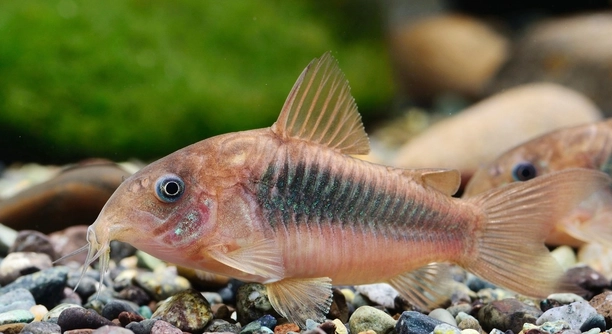
Have you recently upgraded your aquarium and are now wondering if your Corydoras catfish is adjusting well to the new setup? Watching their behavior closely can help you figure out if they are truly thriving.
Corydoras catfish show clear signs when they are thriving, including active swimming, healthy appetite, clear eyes, smooth breathing, and consistent schooling behavior. These indicators reflect physical well-being and emotional stability in a well-maintained and properly upgraded tank environment.
Noticing these changes can help you feel more confident about your tank setup and your fish’s well-being. Let’s explore each sign in more detail.
1. Active Swimming and Exploration
A Corydoras catfish that is thriving will swim actively during its usual periods of activity, which are often in the early morning and evening. They explore the tank floor, sift through the substrate, and interact gently with tankmates. This behavior reflects both comfort and curiosity. It’s a positive response to a stable environment and proper tank upgrade. You should see your Corydoras gliding along the bottom, occasionally darting around plants or decorations, and forming loose groups with others of its kind. These behaviors indicate mental stimulation and physical health. A lack of movement or hiding more than usual can point to stress or discomfort. Always observe them during their peak hours to better understand what’s normal.
Consistent movement with a purpose usually means your tank changes are supporting their natural behavior patterns.
If your fish used to hide constantly and now moves around more, that’s a great sign. Corydoras catfish are naturally social, and they need the right conditions to feel secure. A clean tank with proper lighting and soft substrate allows them to explore safely. Avoid large, open spaces with no cover—this can make them feel exposed and stressed. A healthy Corydoras will balance its activity with occasional rest, often under cover or near plants. They should not seem frantic or sluggish. Watch for fluid, relaxed motion. If they move in short bursts and then rest calmly, it’s a positive indicator. Providing small hiding spots helps them recharge without stress. When your fish appears more curious and less cautious, it’s a good reflection of a tank that suits their needs.
2. Healthy Appetite
Eating regularly is one of the easiest ways to tell if your Corydoras is doing well. They should show interest during feeding times and consume food quickly.
When Corydoras are thriving, they will eagerly search for food at the bottom of the tank, especially after you drop in their usual meals. They should move around actively, using their barbels to feel and detect the food, then nibble at it. If your catfish seems uninterested or ignores food completely, that could mean something is off in the tank conditions, such as poor water quality or stress from aggressive tankmates. Offering a variety of food like sinking pellets, blanched vegetables, and occasional protein treats helps meet their dietary needs. Avoid overfeeding, as leftover food can spoil water and create unhealthy living conditions. Feed them at consistent times to establish a routine, and monitor who’s eating. In groups, make sure each fish gets a fair share, especially if some are more dominant than others.
3. Clear Eyes and Smooth Breathing
Clear eyes show your Corydoras is healthy and comfortable. Their eyes should look bright, not cloudy or swollen. Breathing should be steady, with no gasping or rushing to the surface unless startled.
Cloudy or bulging eyes often signal poor water quality or disease. If your tank upgrade included proper filtration and clean water changes, the result should be clear-eyed fish with no discoloration or swelling. Breathing is another important sign—healthy Corydoras breathe calmly and consistently, even while resting. If their gills are moving rapidly or they stay near the surface, something might be wrong. Elevated ammonia, nitrites, or lack of oxygen can cause breathing issues. Keep an eye on how often they rise for air—occasional trips are normal due to their ability to gulp oxygen, but frequent surfacing should be addressed. Balanced oxygen levels and stable parameters help maintain normal breathing and clear, alert eyes.
Poor lighting or a lack of tank maintenance can also affect eye clarity. Make sure light is not too harsh or too dim, and avoid sudden changes in lighting, as Corydoras prefer consistency. Smooth breathing is easier to spot if you observe them while resting—look for gentle gill movement without strain. Excess mucus or visible gill damage may indicate problems. It’s helpful to compare behavior across multiple Corydoras, especially if they’re from the same group. If most are breathing easily and look alert, chances are your tank upgrade is working well. Keeping up with routine checks helps catch small issues before they grow into bigger ones.
4. Consistent Schooling Behavior
Corydoras are naturally social and prefer to stay in groups. A thriving catfish will regularly swim near others of its kind, especially when exploring or resting. Isolation can be a sign of stress or illness.
If you upgraded your tank by increasing its size or adding more members of the same species, you’ll likely see better schooling behavior. They enjoy swimming together in loose formations and often rest near one another. While they don’t always move in tight groups, they do stay in the same general area. Separation from the group may be caused by a lack of hiding spots or stress from incompatible tankmates. A peaceful, well-decorated tank encourages natural interactions. Keep at least six Corydoras in the group to help reduce stress and improve overall behavior. Group dynamics play a key role in their happiness, and observing their social patterns helps you know if they are feeling secure and supported.
5. Resting Comfortably Without Hiding Constantly
Corydoras need rest periods, but they shouldn’t spend all day hiding. If they’re out in the open, resting near plants or décor, that’s a good sign. Excessive hiding may mean they’re stressed or unwell.
A thriving Corydoras will alternate between active swimming and calm resting. Their body remains still but alert during rest.
6. Smooth, Untorn Fins
Healthy fins are smooth, with no tears or ragged edges. After a tank upgrade, your Corydoras should display improved fin condition if water quality and tankmates are appropriate. Torn fins can signal aggression or poor habitat conditions.
7. No Signs of Injury or Infection
Check your Corydoras regularly for signs of physical damage or infection. Their bodies should be smooth, with no redness, swelling, or white patches. A healthy tank helps prevent bacterial or fungal outbreaks. Quick detection and clean conditions reduce the chance of health problems and promote long-term stability for your fish.
FAQ
How long does it take for Corydoras to adjust after a tank upgrade?
Most Corydoras will begin adjusting within a few hours, but full adjustment can take several days to a week. During this time, you may see changes in behavior as they explore their new space. Signs of early adjustment include schooling, scavenging, and consistent swimming patterns. If they continue to hide or seem restless beyond a week, it may indicate a problem with the setup—such as poor water quality, incompatible tankmates, or a lack of hiding areas. Be patient but observant during this period. Smooth transitions rely on stable parameters and a calm environment.
What water parameters do Corydoras need to thrive?
Corydoras do best in water with a temperature between 72°F and 78°F, a pH between 6.5 and 7.5, and soft to moderately hard water. Ammonia and nitrite levels should be zero, and nitrates should stay below 20 ppm. After a tank upgrade, double-check that filtration, substrate, and decorations are not altering these values. Consistency is important—they dislike sudden shifts. Test the water regularly, especially during the first few weeks. If you’re using new materials in the tank, rinse them well before adding. Balanced water supports their immune system and keeps them active and comfortable.
Do Corydoras need a sand substrate to stay healthy?
Yes, sand is the best substrate for Corydoras because it allows them to forage naturally without damaging their sensitive barbels. Rough gravel can lead to barbel erosion or infection over time. After a tank upgrade, switching to fine sand can noticeably improve their behavior. You’ll likely see them digging and searching more often. Sand also helps prevent injury when they rest along the bottom. While some keepers use smooth gravel, it’s safer to choose sand if you want long-term health and comfort. Clean the sand regularly with a siphon to avoid waste buildup.
How can I tell if my Corydoras are stressed?
Stress signs include erratic swimming, constant hiding, loss of appetite, and rapid breathing. You might also notice them isolating themselves or rubbing against tank surfaces. After a tank upgrade, some stress is normal, but it should fade within a few days. If it doesn’t, check for loud filters, aggressive tankmates, or unstable parameters. Overcrowding or poor lighting can also cause stress. A thriving Corydoras will interact with the group and maintain a healthy eating routine. Catching stress early helps prevent illness and long-term problems. Watch for changes in behavior from their usual calm patterns.
Can tankmates affect how well Corydoras settle in?
Yes, tankmates make a big difference. Peaceful species like tetras, rasboras, and small gouramis are usually compatible. Aggressive or overly curious fish can cause Corydoras to hide, become stressed, or injure themselves. If your tank upgrade involved adding new fish, observe how they interact. Corydoras prefer calm surroundings, and tankmates that chase or nip will disrupt their routine. Keep an eye out for signs of bullying or overcrowding. When choosing companions, stick with species that respect bottom dwellers. Giving your Corydoras a calm environment will help them thrive and feel secure long-term.
Is it normal for Corydoras to go to the surface for air?
Yes, Corydoras have a special ability to gulp air from the surface. It’s normal behavior, especially when they’re active or startled. However, frequent trips to the surface may mean something is wrong. Poor oxygenation, high temperature, or bad water quality can all be reasons. After a tank upgrade, make sure your filtration system maintains proper circulation and oxygen levels. You can add air stones if needed. Occasional surface visits are fine, but consistent gasping should be investigated. Observing how often your fish surface helps you understand if the environment is comfortable or if it needs adjusting.
Do Corydoras like strong lighting in the tank?
No, they prefer soft, moderate lighting. Strong light can cause stress or make them hide more often. If your tank upgrade included brighter lighting, try to balance it with floating plants or decorations that offer shade. Corydoras feel safer with cover, and dim lighting encourages natural behavior. A gentle light cycle also helps with rest and activity balance. Aim for 8 to 10 hours of light per day. Avoid sudden changes in brightness, especially during water changes or maintenance. Stable lighting and shaded areas will help them relax and show their normal routines.
Final Thoughts
Upgrading your Corydoras catfish tank can lead to many positive changes, especially when it’s done with care. A larger, cleaner, and better-equipped space gives your Corydoras room to explore and feel secure. After the move, it’s important to give them time to adjust and observe how they behave. The first few days may come with small changes in their habits, but signs like active swimming, regular scavenging, and group movement often show they are comfortable. If your Corydoras seem calm, healthy, and engaged with their surroundings, it’s a strong sign the upgrade was a success.
Corydoras are sensitive to water quality, tankmates, and the overall layout of the environment. Even small changes in temperature, lighting, or substrate can affect their health and behavior. After an upgrade, regular water testing and gentle maintenance can help you catch problems early. Keeping the tank stable supports their immune system and helps prevent stress-related illness. When your Corydoras are thriving, they will show more natural behaviors like resting on leaves, foraging in the sand, and staying close to their group. These small moments reflect their comfort and well-being. Watching for these signs makes it easier to know what they need moving forward.
Keeping Corydoras happy long-term means staying consistent with care. Feed them a mix of sinking pellets and protein-rich treats, clean the substrate regularly, and avoid overcrowding. Add decorations that offer shelter, and choose tankmates that are calm and respectful. These simple steps create a balanced environment where your Corydoras can live peacefully. A well-upgraded tank not only benefits the fish but also becomes easier to manage over time. With a little attention and steady routines, your Corydoras can continue to thrive, grow, and bring calm energy to your aquarium setup.

Hello,
If you enjoy the content that we create, please consider saying a "Thank You!" by leaving a tip.
Every little bit helps us continue crafting quality advice that supports the health, happiness, and well-being of pets around the world, for pets of all shapes, sizes, and species.
We really appreciate the kindness and support that you show us!