
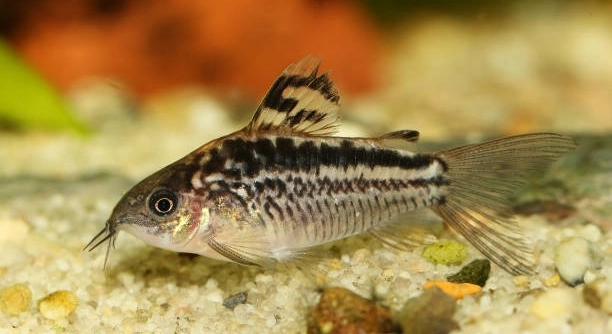
Introducing new tankmates to your Corydoras catfish can be a tricky process. Understanding how your fish responds is key to ensuring a harmonious environment. Watch for signs that indicate whether your catfish is adjusting well to their new companions.
Observing your Corydoras catfish closely for behavioral changes is essential when introducing new tankmates. Signs of good adjustment include calm swimming, active foraging, and a lack of aggression. The fish should appear relaxed and unaffected by the newcomers.
Watching for these signs will help you keep track of your catfish’s health and happiness as they adapt to their new tankmates.
Signs of a Healthy Adjustment
When introducing new tankmates, your Corydoras catfish may experience stress during the first few days. It’s normal for them to be cautious at first, but you should see signs of recovery as they adjust. Look for calm swimming patterns and a return to regular feeding behaviors. Healthy catfish are active and swim around the tank with ease, interacting with their environment. Over time, they should exhibit more confidence, as their stress levels decrease.
During this period, pay attention to any unusual behavior. If your Corydoras spends a lot of time hiding or swimming erratically, it could be a sign of distress. Minor behavioral shifts are expected but should be temporary. A positive change includes interactions with the new tankmates without signs of aggression. If they remain in hiding for extended periods, it may be time to reconsider the tankmates’ compatibility.
Keep monitoring their behavior for a few weeks to ensure that both the Corydoras and the new fish are settling in well.
Watch for Aggressive Behavior
Aggression can sometimes occur if your Corydoras feels threatened. This could be seen through fin nipping or aggressive chasing. Observe the tank closely to check if the new fish are contributing to this behavior. If aggression continues, rehoming one of the tankmates may be necessary.
If your Corydoras catfish is showing aggression towards new tankmates, it’s important to separate them immediately to avoid injuries. Introducing fish with similar temperaments can help prevent conflict. Aggressive behavior could also stem from overcrowding or insufficient hiding spots. A well-planted tank can offer your Corydoras space to retreat and regain confidence. Monitor the environment, especially the territory setup, to ensure every fish has enough room. In some cases, the stress of a new environment can make any fish more prone to aggression. Reducing stress by maintaining stable water conditions and giving time for adjustment can make a significant difference in overall behavior. If aggression persists, separating the aggressive fish may be the best solution for long-term harmony.
Tankmate Compatibility
Compatibility between your Corydoras and new tankmates plays a key role in their adjustment. Some species of fish might stress them out more than others. Look for signs of stress such as hiding or erratic behavior. Fish that don’t get along can cause long-term stress and health issues.
When choosing new tankmates, it’s crucial to consider the size, temperament, and activity level of the other fish. Corydoras are peaceful and often do well with other calm fish. If the tankmates are aggressive or too active, your Corydoras might become stressed and avoid swimming freely. This can result in a decrease in their overall health and wellbeing. Ensure the new fish are suited to the same water conditions and environment to minimize stress. A compatible group will lead to a smoother transition and less aggression.
Keep in mind that some species might seem suitable at first but cause problems later on as the tankmates settle in. It’s always good to monitor their behavior closely over the following weeks to spot any potential issues early.
Stress Indicators
Stress is one of the first signs that your Corydoras might not be adjusting well to their new tankmates. You may notice your fish hiding more often, avoiding interaction, or swimming erratically. They may also show signs of lethargy or lack of interest in food.
A decrease in activity is one of the most common signs of stress in Corydoras. When stressed, they may swim aimlessly or stay in one corner of the tank. Another key indicator is loss of appetite, as stressed fish are often too anxious to eat. If you notice these signs, it’s important to check the tank environment immediately. Are the water conditions stable? Is there enough space for each fish to feel comfortable? If these conditions are met and stress persists, it might indicate that the new tankmates are not a good match.
Keep a close watch on their behavior for the first few weeks, especially after the introduction of new fish. If symptoms of stress continue, you may need to rearrange the tank setup or even consider moving the incompatible fish.
Observation of Feeding Behavior
Your Corydoras’ eating habits can tell you a lot about how well they’re adjusting to new tankmates. If they seem less interested in food or start eating less, it could be a sign of stress. They should still exhibit normal feeding activity, even with new fish around.
If your Corydoras is eating less, it might be due to competition for food. More aggressive tankmates could dominate feeding time, leaving your Corydoras hungry and stressed. Ensure that food is evenly distributed so that each fish has access. If your Corydoras is still not eating after this, it’s important to consider other possible issues, such as water quality or a possible illness.
Feeding behavior can also show how your Corydoras feels about the new additions. If they’re eating eagerly and interacting with the food, they’re likely adjusting well. On the other hand, hesitation or avoidance suggests they may not be comfortable.
Tank Conditions
Stable water conditions are crucial for your Corydoras’ health and adjustment. Changes in temperature, pH, or water quality can cause stress and make them more vulnerable to illness. Always monitor the water parameters, especially when introducing new tankmates.
Consistently high levels of ammonia, nitrites, or nitrates can stress out Corydoras, making it harder for them to adjust to new fish. Make sure your filtration system is up to the task of handling any added waste from the new tankmates. Additionally, monitor the water temperature and keep it within the optimal range for your Corydoras. Even small fluctuations in temperature can have a big impact on their well-being. Frequent water changes are essential to maintain a healthy environment. By ensuring that the tank conditions stay stable, you’re providing a better chance for all your fish to thrive.
Monitoring Tank Activity
It’s essential to keep a close eye on the overall activity levels in the tank. Active and healthy fish are a good sign that everyone is adjusting well to their new environment. If your Corydoras appears sluggish or seems to avoid certain areas, it could signal stress.
FAQ
What should I do if my Corydoras is hiding too much after introducing new tankmates?
If your Corydoras is hiding more than usual, it could be a sign of stress. Ensure the tank environment is calm and provides plenty of hiding spots. Corydoras like to feel secure, so adding plants, rocks, or caves can help. If the hiding behavior continues for more than a few days, check the water parameters and the compatibility of the new tankmates. Aggressive or overly active fish may cause stress and encourage hiding. If needed, consider rearranging the tank or separating incompatible fish to reduce stress.
How can I tell if my Corydoras is stressed from new tankmates?
Stress in Corydoras can manifest in various ways, such as erratic swimming, hiding, or loss of appetite. If they are not swimming as they usually do or avoiding food, it may indicate stress. Another sign is if your Corydoras stays in one corner or bottom area of the tank for long periods. Monitoring their behavior closely, especially in the first week after introducing new fish, is essential to detect signs of stress early.
Can Corydoras catfish get along with any type of fish?
Corydoras are peaceful and generally get along well with most species, particularly small, non-aggressive fish. However, it’s important to avoid tankmates that are too aggressive or territorial, as this can cause stress. Ideal tankmates include peaceful fish like tetras, guppies, and rasboras. Avoid large or overly active species, as they can bully or stress out your Corydoras.
How long does it take for Corydoras to adjust to new tankmates?
Corydoras typically take a few days to a week to adjust to new tankmates. During this time, they may exhibit cautious behavior or hide. It’s important to monitor their behavior closely and ensure they are eating and swimming normally after the introduction. If the fish are still stressed after a week, consider checking water quality and reassessing the compatibility of the tankmates.
What if my Corydoras is not eating after adding new tankmates?
If your Corydoras is not eating after new tankmates are introduced, it could be a sign of stress or competition for food. Ensure that food is being distributed evenly and that all fish have access to it. If the Corydoras are still not eating, check the water quality and temperature, as poor conditions can affect their appetite. It may also help to provide some hiding spots for the Corydoras to feel more secure while eating.
Do Corydoras catfish need special care when introduced to a new tank?
Corydoras are fairly hardy fish, but introducing them to a new tank with other fish can cause them stress. It’s essential to ensure the tank has stable water conditions, proper filtration, and a comfortable temperature. Introduce new fish gradually and observe their behavior carefully to ensure they’re adjusting well. Corydoras also benefit from a well-planted tank that provides plenty of hiding spots.
What water conditions are best for Corydoras after adding new fish?
Corydoras thrive in soft, slightly acidic water, with a temperature range between 72-78°F (22-26°C). Keep the water well-filtered to avoid high levels of ammonia, nitrites, and nitrates, which can stress the fish. When introducing new tankmates, make sure the water conditions are stable and within the range suitable for both the Corydoras and the new fish. Regular water changes are important to maintain a healthy environment.
How do I prevent aggression when adding new tankmates to a Corydoras tank?
To reduce aggression when adding new tankmates, choose peaceful fish that won’t compete for territory or food. Corydoras do best with non-aggressive fish, such as tetras, small rasboras, and guppies. Avoid species that are too large or aggressive, as these can stress or harm your Corydoras. Also, consider introducing fish gradually, ensuring that the tank is not overcrowded. Providing plenty of hiding spots can help reduce stress and territorial behavior.
Can I add too many fish to a tank with Corydoras catfish?
Yes, overcrowding can lead to stress for your Corydoras and other fish in the tank. Too many fish can strain the filter, cause poor water quality, and create competition for space and food. Aim to keep the fish population at a manageable level for the tank size, ensuring all fish have enough space and resources to thrive. A general guideline is to allow 1 inch of fish per gallon of water, but this can vary depending on the species.
What should I do if my Corydoras shows signs of aggression after adding new fish?
If your Corydoras becomes aggressive after new fish are added, it may be due to territorial disputes or stress. Remove any aggressive fish from the tank to prevent injury. You can also try rearranging the tank decor to disrupt territorial boundaries. If the aggression continues, consider providing more hiding spots for your Corydoras, allowing them to retreat if they feel threatened. It’s important to ensure all fish have enough space and resources to feel comfortable.
How can I tell if my Corydoras is sick after introducing new fish?
Sick Corydoras may show signs such as lethargy, faded colors, clamped fins, or unusual swimming patterns. If your fish is not eating, staying in one area, or displaying abnormal behavior, it could be a sign of illness. Stress from new tankmates can weaken their immune system, making them more susceptible to disease. Check the water quality, and if symptoms persist, consider consulting a vet for diagnosis and treatment.
Final Thoughts
When introducing new tankmates to your Corydoras, it’s essential to take a slow and careful approach. Corydoras catfish are peaceful and sensitive to changes in their environment. The process of adding new fish can be stressful, and it may take some time for your Corydoras to adjust. It’s important to monitor their behavior closely, especially in the first few days after the introduction. Signs of stress such as hiding, reduced appetite, or changes in swimming patterns should not be ignored. By providing a stable and calm environment, you can help your Corydoras adjust and thrive with their new companions.
Maintaining good water quality is crucial when introducing new tankmates. Corydoras are sensitive to poor water conditions, and stress from new fish can worsen their health if the water quality deteriorates. Ensure the tank’s filtration system is working effectively, and regularly check the water parameters, including temperature, pH, ammonia, nitrites, and nitrates. Keeping the water clean and within the optimal range will help reduce stress and promote better overall health for all the fish in the tank. It’s also important to avoid overcrowding the tank, as this can lead to further stress and health issues for your Corydoras.
Lastly, remember that each fish is different, and some Corydoras may take longer to adjust to new tankmates than others. Patience is key during this process. If any issues arise, such as aggression from new fish or signs of illness in your Corydoras, don’t hesitate to make adjustments, whether by rearranging the tank or removing incompatible tankmates. Creating a peaceful and stable environment will help ensure that your Corydoras remains healthy and happy. The goal is to foster a harmonious tank where every fish can thrive.

Hello,
If you enjoy the content that we create, please consider saying a "Thank You!" by leaving a tip.
Every little bit helps us continue crafting quality advice that supports the health, happiness, and well-being of pets around the world, for pets of all shapes, sizes, and species.
We really appreciate the kindness and support that you show us!