
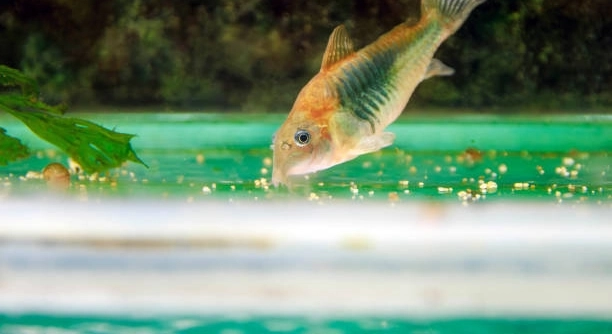
Corydoras catfish are popular aquarium fish known for their friendly nature and bottom-dwelling habits. However, like all pets, they can occasionally become sick. Recognizing the signs early can make a huge difference in their recovery.
The best way to tell if your Corydoras catfish is sick is by closely observing its behavior and physical appearance. Symptoms like lethargy, loss of appetite, or changes in swimming patterns are all common indicators of illness.
By knowing what to look for, you can ensure your Corydoras stays healthy and happy. Understanding their symptoms will help you address potential issues before they worsen.
1. Loss of Appetite
One of the first signs that your Corydoras catfish may be sick is a noticeable loss of appetite. Healthy fish are usually active eaters and will quickly respond to food in their tank. If your catfish stops eating or barely touches its food, it could be a warning sign. This could be due to stress, water quality issues, or an underlying illness.
The absence of food consumption should not be ignored. If it persists for a day or two, it’s a good idea to check water parameters and observe your fish closely for other signs of illness.
Stress is a common cause of appetite loss. Corydoras can become stressed from a variety of factors, such as sudden changes in water conditions or the presence of aggressive tank mates. Poor water quality is another frequent issue that can lead to decreased appetite. Ensure the tank’s pH, temperature, and hardness are within the recommended ranges. If your fish’s loss of appetite continues, it may be time to isolate them and perform a water change to improve the conditions.
2. Unusual Swimming Behavior
If your Corydoras catfish starts swimming erratically or remains at the surface for extended periods, it may be a sign that something is wrong. Normally, they enjoy swimming along the bottom of the tank.
Fish that show signs of stress may swim erratically, darting around or staying in one area. Additionally, catfish that are unwell may struggle to swim properly, appearing lethargic or unable to move freely. Check for other symptoms such as discolored fins or scales.
3. Faded Coloration
A sudden change in color can indicate illness in your Corydoras catfish. Healthy catfish typically have bright, distinct patterns. If their colors begin to fade, it’s often a sign of stress or poor water quality. Pay attention to any patches of discoloration on their body as well.
Faded color can result from poor water conditions, as Corydoras are sensitive to changes in pH, ammonia, and nitrate levels. A consistent water change schedule and proper filtration are crucial to keeping the tank environment healthy. If the water conditions are ideal and the fish’s colors are still fading, it may point to a disease or parasite.
Parasites and infections are common causes of color loss. Some illnesses can cause a fish to appear pale or blotchy. If you notice faded coloration, isolate your catfish from the rest of the tank to prevent any potential spread of infection. It’s always a good idea to monitor your fish closely and seek professional advice if symptoms persist.
4. White Spots or Growths
White spots or strange growths on the skin or fins are clear signs that your Corydoras may be sick. These white spots could be caused by external parasites like Ich, a common disease in freshwater fish.
White spots appear as small, raised patches on the skin or fins. When left untreated, these can spread rapidly and cause significant discomfort. If your catfish develops this symptom, the disease might be contagious to other fish in your tank. It’s important to act quickly by quarantining the affected fish and treating the tank with appropriate medication.
In some cases, these white spots may also be a result of fungal or bacterial infections. Make sure to inspect your fish for any swelling or lesions that could accompany these white spots. Prompt intervention and proper treatment are essential for the health of your fish and to prevent further spread of infection.
5. Difficulty Breathing
If your Corydoras catfish seems to struggle with breathing, it may be a sign of poor water quality or an underlying health issue. Breathing difficulties are often visible when the fish keeps swimming near the surface, gasping for air.
Inadequate oxygen levels in the tank can also cause breathing problems. Ensure proper filtration and aeration to maintain optimal oxygen levels. Additionally, check for high ammonia or nitrate levels, as these can irritate the gills and make it harder for your catfish to breathe. If breathing difficulties persist, it’s important to test the water and address any imbalances.
6. Visible Scratches or Rubbing
When your Corydoras starts rubbing against objects or the tank substrate, it may be trying to relieve irritation caused by external parasites. Scratching can be a sign of skin infections or parasites like Ich or velvet.
Constant rubbing often means the fish is feeling uncomfortable, and this behavior can result from an itchy sensation. The parasites or bacteria causing the irritation might be affecting the skin, fins, or gills. It’s crucial to treat the issue as soon as you notice this behavior to prevent further damage to the fish’s health.
7. Swollen Body
A swollen body can indicate several potential issues, including overfeeding, constipation, or a more serious problem like dropsy. Dropsy is a condition where the body of the fish becomes bloated and swollen due to fluid retention.
If your Corydoras looks bloated and its scales are sticking out, it may be suffering from dropsy, which often signals an internal infection or organ failure. In such cases, isolate the fish and monitor it carefully, as dropsy can spread quickly. Consult a vet or experienced aquarist for treatment options.
FAQ
What causes Corydoras catfish to become sick?
Corydoras catfish can become sick due to several factors, including poor water quality, inadequate filtration, stress, or exposure to diseases. Water conditions like high ammonia, nitrites, or nitrates can harm their health. Stress from aggressive tank mates or sudden changes in the environment also weakens their immune system. Additionally, external parasites or bacterial and fungal infections can cause illness.
How can I prevent my Corydoras from getting sick?
To prevent illness, ensure that your tank is clean with regular water changes, good filtration, and proper aeration. Maintain stable water parameters, such as temperature, pH, and hardness. Provide a balanced diet and avoid overfeeding, as excess food can pollute the water. Also, avoid overcrowding, as this increases stress and the likelihood of disease transmission. Quarantining new fish before adding them to your main tank can also prevent the introduction of diseases.
How do I treat Corydoras catfish for external parasites?
External parasites like Ich and velvet are common in Corydoras catfish. To treat these, you’ll need to raise the temperature of your tank (within safe limits for your fish) and add medications specifically designed to combat the parasite. Copper-based treatments are often effective against velvet, while formalin and malachite green can help with Ich. Be sure to follow the instructions carefully and remove any activated carbon from the filter during treatment.
Why is my Corydoras swimming at the surface of the tank?
If your Corydoras catfish is swimming at the surface, it could be a sign of low oxygen levels, poor water quality, or a breathing issue. Check the oxygenation in your tank by ensuring the filter is running properly and consider adding an air stone. It could also indicate that the fish is struggling with an infection or stress. In any case, monitoring water quality and behavior closely is essential.
Can Corydoras catfish recover from dropsy?
Dropsy is a serious condition, and recovery can be difficult. If you notice swelling and raised scales, it’s often a sign of organ failure or an internal infection. Early treatment with antibiotics may help, but dropsy is usually a sign of severe illness. Unfortunately, not all fish survive dropsy, especially if it’s caught in later stages. It’s important to quarantine the affected fish and consult an expert for proper care.
How often should I perform water changes for my Corydoras?
For a healthy tank environment, perform partial water changes (about 20-30%) once a week. This helps to maintain stable water quality by removing excess waste and replenishing essential minerals. In tanks with more fish or if the water quality deteriorates quickly, you may need to perform more frequent changes. Always check ammonia, nitrite, and nitrate levels to ensure your Corydoras are living in a safe environment.
What should I do if my Corydoras has white spots?
White spots are typically a sign of Ich or another parasitic infection. You can treat this by increasing the water temperature slightly to speed up the life cycle of the parasite and then using medication designed for Ich. It’s important to treat all fish in the tank, even if they don’t show symptoms, as the disease spreads easily. Be sure to follow the treatment instructions carefully to avoid stressing your fish too much.
Is it normal for Corydoras to lose their color sometimes?
Corydoras catfish may lose some color temporarily due to stress or changes in water conditions. If the color loss is prolonged, however, it may be a sign of illness, such as bacterial or fungal infections. It’s important to check water parameters and observe for other symptoms. If the loss of color continues or worsens, further investigation and treatment may be needed.
Why does my Corydoras keep rubbing against things in the tank?
Rubbing or scratching against objects can indicate that your Corydoras is experiencing irritation, often from external parasites like Ich or velvet. This behavior may also be caused by fungal or bacterial infections. If you notice this behavior, examine your fish closely for any external signs, such as lesions or abnormal growths. Treating the fish with appropriate medications is crucial to preventing the spread of the condition.
Can Corydoras get sick from stress?
Yes, Corydoras catfish are sensitive to stress. Stress can weaken their immune system, making them more susceptible to diseases and infections. Common stressors include overcrowding, poor water conditions, and aggressive tank mates. It’s important to ensure your tank is appropriately sized, well-maintained, and that your catfish are not harassed by other fish. A calm, stable environment will help prevent stress-related illnesses.
Final Thoughts
Corydoras catfish are generally hardy and easy to care for, but like any pet, they can face health issues. Being able to recognize early signs of illness can make a big difference in their recovery. Whether it’s changes in swimming behavior, a loss of appetite, or noticeable physical changes, paying close attention to your catfish will help you identify problems sooner. The sooner you notice symptoms and act, the better the chances are for your fish’s recovery.
Maintaining good water quality is one of the most important aspects of keeping Corydoras healthy. These fish are sensitive to poor water conditions, so keeping the tank clean with proper filtration and regular water changes is essential. It’s also important to monitor water parameters like pH, ammonia, and nitrate levels to ensure they’re within the safe range. Stress can also lead to illness, so try to avoid overcrowding, ensure compatible tank mates, and keep the environment as stable as possible. Corydoras thrive in peaceful environments, so they don’t handle aggression well.
If your catfish does fall ill, don’t panic. Many illnesses can be treated with the right care and attention. Always remember to quarantine affected fish to avoid spreading the illness to others in the tank. Use appropriate medications for the condition and follow the instructions closely. By providing a proper environment and staying alert to potential health issues, your Corydoras catfish can live a long, healthy life.

Hello,
If you enjoy the content that we create, please consider saying a "Thank You!" by leaving a tip.
Every little bit helps us continue crafting quality advice that supports the health, happiness, and well-being of pets around the world, for pets of all shapes, sizes, and species.
We really appreciate the kindness and support that you show us!