
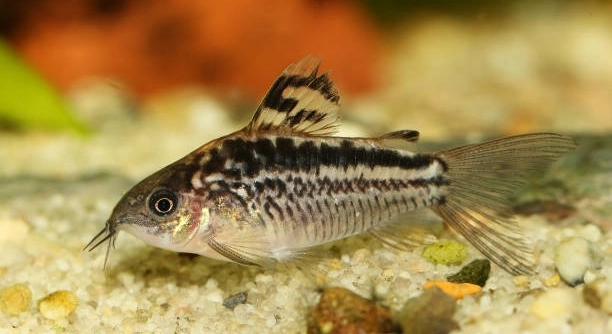
Corydoras catfish are a popular choice for many aquarium enthusiasts. They are peaceful, active, and known for their bottom-dwelling behavior. However, if you notice your catfish spending more time at the surface, it could signal an underlying issue.
Corydoras catfish typically stay at the bottom of the tank, but if they are consistently at the surface, it may indicate poor water quality, low oxygen levels, or health problems. Addressing these factors can help return them to their normal behavior.
Understanding the reasons behind this behavior can improve the well-being of your corydoras. It’s essential to recognize the causes and address them quickly to maintain a healthy, thriving aquarium.
Poor Water Quality
If your corydoras catfish are spending too much time at the surface, one of the first things to check is the water quality. Dirty water can stress fish and lead to abnormal behavior. The presence of ammonia, nitrites, and nitrates can irritate their gills, causing them to seek oxygen at the surface. Additionally, poor filtration can allow harmful substances to build up. Keeping a regular cleaning schedule and testing the water for harmful chemicals can make a big difference. If water quality issues persist, consider upgrading your filtration system.
The water parameters for corydoras should be stable. Test the water frequently to ensure that ammonia and nitrite levels are at zero, and nitrates stay below 20 ppm. Clean your filter regularly and change the water every week to maintain good quality.
Maintaining a clean environment for your fish is vital for their overall health. Poor water quality can lead to long-term health problems, including respiratory issues. If you’re not sure how to test the water, many aquarium supply stores offer water testing kits or will do it for you.
Low Oxygen Levels
Corydoras catfish may spend more time near the surface when oxygen levels in the tank are too low. They might be gasping for air if the oxygen is insufficient. Ensuring your aquarium is properly aerated can prevent this behavior. Adding an air pump or improving surface agitation with a filter can help.
You can also check if the tank is overcrowded. Too many fish can lead to reduced oxygen levels. It’s important to provide enough space for your corydoras to move freely and avoid stress. Fish that are tightly packed together will compete for oxygen, causing them to swim at the surface.
Another way to help with oxygen levels is to regularly check the temperature of the tank. Warm water holds less oxygen, so if the temperature is too high, the oxygen content could drop. Use a thermometer to ensure the water stays in the optimal range for corydoras, which is typically between 72–78°F (22–26°C).
Temperature Fluctuations
Temperature swings in the aquarium can stress corydoras, causing them to spend more time near the surface. They prefer stable conditions, so sudden changes can disrupt their behavior. A consistent temperature will keep them comfortable and prevent them from seeking air at the surface.
Investing in a reliable aquarium heater and thermometer will help maintain the water temperature. Corydoras thrive in temperatures between 72–78°F (22–26°C). Large fluctuations, even by a few degrees, can cause stress, which may explain their unusual behavior. Avoid placing the tank in areas where drafts or direct sunlight can cause sudden temperature changes.
Ensuring the water remains stable also helps other tankmates stay healthy. Stress from fluctuating temperatures can weaken the immune system of all your fish, making them more susceptible to disease. Try to maintain a constant environment with minimal disturbances for the best results.
Tank Mates
Aggressive or territorial tank mates can force your corydoras to seek refuge near the surface. Corydoras are peaceful and non-confrontational, so they may avoid conflict by staying away from the bottom. This behavior can be a sign of stress caused by other fish.
It’s important to house them with calm, non-aggressive species. Avoid mixing them with large or overly active fish that might push them around. Corydoras are small, slow-moving fish that can be easily intimidated, so a peaceful community tank will reduce stress and help keep them comfortable.
FAQ
Why is my corydoras catfish staying at the top of the tank?
If your corydoras is spending too much time at the top, it’s usually because something in the environment isn’t right. It could be low oxygen levels, poor water quality, or an incorrect water temperature. Fish naturally seek the top when they are having trouble breathing, which may mean they are trying to get more oxygen. Check the water parameters, increase aeration, and ensure the tank’s temperature is consistent to avoid this behavior.
Can poor water quality cause corydoras to swim at the surface?
Yes, poor water quality is a major reason why corydoras might spend more time near the surface. Ammonia, nitrites, and high nitrate levels can irritate their gills, causing them to seek better oxygenated water near the surface. Regular water changes and good filtration will help maintain a healthier environment. Make sure to test your water frequently for toxins, especially after adding new fish or decorations.
How can I improve oxygen levels in my aquarium?
Improving oxygen levels is fairly simple. You can add an air pump, which will help oxygenate the water more effectively. A surface skimmer or surface agitation from your filter can also improve gas exchange, helping the oxygen reach the water more efficiently. If you don’t already have one, adding an air stone can create bubbles that boost oxygen levels throughout the tank. Additionally, keeping your tank clean and avoiding overcrowding helps maintain healthy oxygen levels.
Is it normal for corydoras to swim at the top occasionally?
It is not normal for corydoras to regularly swim at the top. However, there might be occasional instances where they briefly explore the upper part of the tank, especially if they are searching for food or if something in the environment temporarily changes. If it’s only occasional, it’s usually harmless, but if it happens often, it might indicate a larger issue with the tank’s conditions.
What is the ideal water temperature for corydoras catfish?
Corydoras prefer water that is between 72°F and 78°F (22°C to 26°C). If the water is too hot or too cold, it can cause them stress, making them more likely to stay at the surface. Make sure to keep the temperature stable, as fluctuations can also make them uncomfortable. A reliable heater and thermometer are key to maintaining this range.
Can overcrowding cause corydoras to swim at the top?
Yes, overcrowding can lower the oxygen levels in the tank, causing corydoras to swim at the surface to get more air. When too many fish are in a small tank, they compete for oxygen, which leads to stress. It’s crucial to follow proper stocking guidelines for your tank size to avoid this issue. Proper filtration also plays a role in keeping oxygen levels high.
Are there any signs that my corydoras is stressed?
Stress in corydoras can manifest in several ways, such as erratic swimming, hiding frequently, or staying at the surface. A stressed fish may also lose its appetite or appear sluggish. Other signs include changes in color or damaged fins. If you notice any of these signs, it’s important to evaluate the water quality, temperature, and tank mates to find and address the stressor.
Can corydoras catch diseases from poor water quality?
Yes, poor water quality weakens the immune system of corydoras, making them more susceptible to diseases. Bacterial and fungal infections are more common in tanks with high ammonia or nitrite levels. By maintaining proper water conditions and ensuring a clean environment, you can reduce the risk of disease. Regular water changes and a good filtration system are key to keeping your fish healthy.
How can I tell if my corydoras is healthy?
A healthy corydoras will be active, swimming around the tank and interacting with its environment. Its colors should be vibrant, and it should have clear, undamaged fins. If your corydoras is swimming at the surface or showing other signs of distress, such as lethargy or a loss of appetite, these could be warning signs that something is wrong.
Can corydoras live with other fish at the top of the tank?
Corydoras are peaceful fish, so they tend to stay near the bottom of the tank. However, they can live with other fish, even those that might stay near the top, as long as the tank conditions are healthy. Avoid placing aggressive fish with your corydoras, as they may push them around and force them to the surface. Make sure there’s enough space for all fish to live comfortably.
What should I do if I notice my corydoras staying at the top often?
If your corydoras is often at the top, check the water quality first. Ensure the temperature is stable, the oxygen levels are adequate, and there are no toxins in the water. If you find any issues, take immediate action by performing water changes and improving filtration. If the problem persists, consider contacting a vet or aquarium expert for further advice.
Final Thoughts
Corydoras catfish are generally peaceful bottom-dwellers, and if they start spending too much time at the surface, it’s a sign something may be off in their environment. Whether it’s poor water quality, low oxygen levels, or an incorrect temperature, these factors can stress your fish and cause them to seek air. Keeping an eye on the conditions in the tank and making adjustments as needed will help you avoid this issue. Regularly testing the water, maintaining proper filtration, and ensuring the water temperature stays consistent are all important steps in providing a healthy home for your corydoras.
Additionally, it’s essential to monitor your corydoras’ tank mates. Aggressive or territorial fish can cause stress, which may lead to behavior changes like staying near the surface. Corydoras are gentle and don’t handle confrontation well, so keeping them with peaceful tank mates will help reduce this risk. If your fish is showing signs of stress, it’s a good idea to re-evaluate your aquarium setup. Checking the water’s quality and making sure no aggressive fish are present can help restore balance in the tank.
Ultimately, the key to a thriving aquarium is understanding the needs of your fish. Corydoras catfish are resilient but need the right environment to thrive. By paying attention to factors like water quality, oxygen levels, temperature, and tank mates, you can keep them healthy and content. If the problem continues despite addressing these issues, it’s always a good idea to seek professional advice to ensure your fish’s well-being. Regular care and attention to detail will help you enjoy your corydoras for years to come.

Hello,
If you enjoy the content that we create, please consider saying a "Thank You!" by leaving a tip.
Every little bit helps us continue crafting quality advice that supports the health, happiness, and well-being of pets around the world, for pets of all shapes, sizes, and species.
We really appreciate the kindness and support that you show us!