
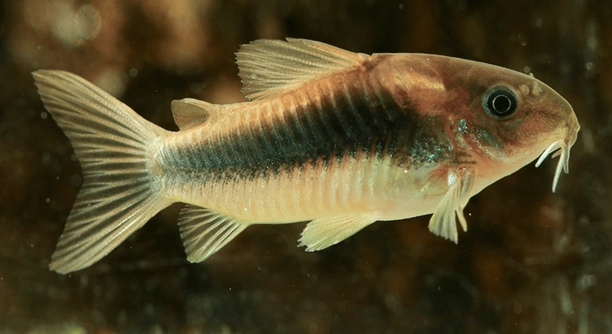
If you have Corydoras catfish in your aquarium, you might wonder how to ensure they are happy and comfortable. Overcrowding can affect their health, so it’s important to watch for certain signs.
Overcrowding in Corydoras catfish occurs when the tank has too many fish or insufficient space. This can lead to stress, illness, and even a decrease in lifespan. Signs include excessive hiding, aggression, and changes in feeding behavior.
Recognizing overcrowding early will help you provide the best care for your fish. By keeping an eye on their behavior and environment, you can prevent potential problems and maintain a healthy tank for your Corydoras catfish.
Signs of Overcrowding in Corydoras Catfish
One of the first signs your Corydoras catfish may be overcrowded is a noticeable change in their behavior. If they spend more time hiding in dark corners of the tank or refuse to come out during feeding time, it’s likely they are stressed due to lack of space. Overcrowding forces the fish to compete for resources, and this stress can lead to more serious health problems down the line. Aggressive interactions among the fish can also become frequent as they are forced into close proximity. Pay attention to how your Corydoras interact with each other to spot any signs of conflict.
When Corydoras become overcrowded, their environment starts to feel more cramped. If you notice they are spending more time in one area of the tank, it could be due to a lack of space. The fish may not have the room they need to swim freely and naturally.
The size of your tank and the number of fish it holds should always align. Corydoras are social creatures but need space to thrive. A general rule is one fish per 10 gallons of water. Overcrowding affects water quality, leading to higher levels of waste that the filtration system cannot handle. As a result, the tank environment becomes more polluted, causing stress and health issues. Keep a close eye on water parameters, as overcrowding can lead to toxic conditions if left unchecked.
How to Address Overcrowding in Your Tank
Once you’ve identified overcrowding, it’s time to take action. Start by assessing your tank’s capacity. If you’ve exceeded the limit, consider moving some fish to a new tank or finding them a new home. It’s crucial to maintain a balance between fish and space to ensure everyone has enough room to thrive.
A good rule of thumb is to aim for fewer fish in a larger tank. You should avoid keeping too many Corydoras in a small tank, as this causes overcrowding and contributes to poor water quality. Providing more space will allow each fish to swim freely, reducing stress and the risk of disease. Consider upgrading to a larger aquarium or rehoming some of your Corydoras if you feel the tank is too crowded.
The water quality in an overcrowded tank will deteriorate quickly due to the increased waste. Overcrowding reduces the filtration system’s ability to process the waste efficiently. You can address this issue by investing in a more powerful filter. Additionally, perform more frequent water changes to maintain clean conditions for the fish. Reducing the number of fish can help the system recover faster. If you have too many fish in the tank, it’s essential to remove some to restore balance.
Changes in Feeding Behavior
Overcrowding often causes Corydoras to change their feeding habits. When there are too many fish in the tank, they may be hesitant to compete for food, leading to a decrease in their eating. Some may become more aggressive toward others during feeding time, which can further disrupt the balance of the tank.
Fish that are stressed from overcrowding may also become less active during feeding. They might wait in hiding spots or take longer to approach food. This behavior can signal that the fish are not getting the nutrients they need. It’s important to monitor their feeding habits to ensure that all fish are properly nourished.
You may also notice that your Corydoras are eating less overall. Stress can cause fish to lose their appetite or only nibble at food instead of consuming it fully. When overcrowding is an issue, the tank environment can become chaotic, further discouraging fish from eating. To address this, you might consider offering food at different areas of the tank or providing more frequent smaller feedings to ensure every fish gets its share.
Effects on Water Quality
When there are too many fish in the tank, water quality will quickly decline. Overcrowding leads to an increase in waste production, and the filtration system might not be able to keep up. As a result, the water becomes polluted, putting additional stress on your Corydoras. Poor water quality can lead to the development of harmful toxins such as ammonia and nitrites, which affect the health of your fish.
In addition to waste, overcrowding reduces the amount of oxygen in the water. Fish need adequate oxygen to thrive, and in a cramped tank, the oxygen levels drop. You may notice Corydoras struggling to swim properly or staying near the surface of the water. If this happens, it’s important to assess the water quality and take action.
Maintaining proper water parameters in an overcrowded tank requires more frequent water changes and a more efficient filtration system. Be sure to monitor ammonia, nitrate, and nitrite levels regularly. You should also ensure that the tank has enough oxygenation. If your fish are showing signs of distress, immediate action is necessary to avoid long-term health issues.
Excessive Hiding
When Corydoras catfish feel overcrowded, they may retreat into hiding spots more often. This behavior helps them avoid the stress of being surrounded by too many fish. If you notice your Corydoras spending a lot of time in caves or under decorations, overcrowding could be the cause.
Fish that hide excessively can also become more vulnerable to health problems. The lack of interaction with other fish means they aren’t moving as much, leading to weaker immune systems. Overcrowding makes it difficult for Corydoras to establish their own space, causing them to hide more frequently and for longer periods.
Aggression Between Fish
In overcrowded tanks, fish are more likely to show aggression toward each other. Corydoras, typically peaceful, may become territorial or defensive when they feel stressed. This can result in constant chasing, fin nipping, and even injury. The presence of too many fish in a small space creates competition for food and shelter, which escalates tension.
Fish that are stressed due to overcrowding may also become more prone to diseases. When fighting occurs, the skin and fins can become damaged, making them vulnerable to infections. Observing frequent aggression is a sign that your tank has too many fish for its size, and action is needed to resolve it.
Poor Growth and Development
Corydoras that are overcrowded may show signs of stunted growth. With too many fish competing for resources, such as food and space, some fish may not receive the nutrients they need to grow properly. This results in fish that remain smaller than usual and may have weakened immune systems.
When growth is limited, your Corydoras might not reach their full size or health potential. Stunted development can also cause other complications, including an increased risk of illness. Reducing the number of fish in the tank will allow more space and resources for each fish to grow and develop properly.
FAQ
What happens if my Corydoras catfish is overcrowded?
Overcrowding can lead to stress, aggression, poor water quality, and even illness in your Corydoras. When there are too many fish in the tank, they have to compete for space, food, and oxygen, which can affect their health and behavior. Stress from overcrowding can weaken their immune system, making them more vulnerable to diseases.
How many Corydoras can I keep in my tank?
A general rule of thumb is one Corydoras per 10 gallons of water. However, this can vary depending on the size of your tank and the number of other fish present. Overcrowding not only affects your Corydoras but also the health of the entire tank’s ecosystem. Always make sure the tank has enough space for all the fish to swim freely and comfortably.
What are the signs of overcrowding in a Corydoras tank?
Common signs of overcrowding include aggression, excessive hiding, changes in feeding behavior, and poor growth. If your Corydoras are constantly hiding or fighting, it could indicate that there are too many fish in the tank. Additionally, a decrease in appetite or slower growth can be a sign that resources are scarce.
How can I reduce overcrowding in my Corydoras tank?
To reduce overcrowding, you can either upgrade to a larger tank or rehome some of your Corydoras. If your tank is already full, consider finding new homes for some of the fish or setting up a second tank. Make sure your fish have enough space to swim freely and access food without competition.
Can overcrowding cause water quality problems?
Yes, overcrowding directly impacts water quality. With too many fish in the tank, waste builds up faster than the filter can handle, causing an increase in ammonia, nitrites, and nitrates. These toxins can harm your Corydoras and other aquatic life in the tank. Regular water changes and a high-quality filtration system are essential to maintaining good water quality in an overcrowded tank.
How can I improve water quality in an overcrowded tank?
To improve water quality in an overcrowded tank, start by increasing the frequency of water changes. You may also want to invest in a more powerful filter to handle the increased waste load. Additionally, consider reducing the number of fish in the tank to ease the strain on the filtration system and improve overall water conditions.
How often should I clean my tank if it’s overcrowded?
In an overcrowded tank, you’ll need to clean the tank more frequently. Perform partial water changes every week or even more often if needed, depending on the level of waste accumulation. Clean the filter regularly and remove any uneaten food or debris from the substrate. Keeping the tank clean helps prevent the buildup of harmful substances like ammonia.
Can overcrowding affect the health of my Corydoras?
Yes, overcrowding can negatively affect your Corydoras’ health. Stress from a crowded environment weakens their immune system, making them more susceptible to disease. Poor water quality, caused by overcrowding, can also lead to infections and other health problems. To keep your Corydoras healthy, ensure they have enough space, clean water, and a balanced diet.
How do I know if my Corydoras is stressed from overcrowding?
Signs of stress in Corydoras due to overcrowding include excessive hiding, reduced activity, a lack of appetite, and aggression. Stressed Corydoras may also show signs of illness such as faded colors or lesions on their skin. If you notice these symptoms, overcrowding is likely a contributing factor, and you may need to address the issue.
What’s the best tank size for Corydoras catfish?
The best tank size for Corydoras catfish depends on the number of fish you plan to keep. A 20-gallon tank is suitable for a small group of Corydoras, while larger tanks are needed if you have more fish. Remember, larger tanks provide more space for swimming and help maintain better water quality.
How can I keep my Corydoras from becoming stressed in a crowded tank?
To prevent stress in a crowded tank, make sure there are enough hiding spots, like plants or decorations, where your Corydoras can retreat. You should also provide plenty of space for swimming and avoid placing too many other active fish in the tank. Regular water changes and good filtration are crucial to maintaining a stress-free environment.
Do Corydoras need to be in groups?
Yes, Corydoras are social fish and should be kept in groups of at least three to five. They feel more comfortable and secure when they have companions, and this reduces stress. However, overcrowding can cause issues, so make sure the tank is large enough to accommodate the group comfortably.
How can I tell if my filter is powerful enough for my Corydoras tank?
To determine if your filter is adequate for your Corydoras tank, check the tank’s water flow rate. A good rule is that the filter should circulate the tank’s water at least four times per hour. For overcrowded tanks, you may need a filter with a higher flow rate to manage the extra waste produced.
Will my Corydoras catfish be happier in a larger tank?
Yes, Corydoras catfish will be much happier in a larger tank with more space. They are active fish and need room to swim and explore. A spacious environment reduces stress and promotes healthier fish, allowing them to grow, interact, and enjoy a more natural lifestyle.
Final Thoughts
Corydoras catfish are peaceful and social creatures that thrive in tanks with the right amount of space and proper care. Overcrowding can lead to various problems such as stress, aggression, and poor water quality. These issues can harm the health and well-being of your fish, making it essential to keep an eye on the tank’s population and size. By understanding the signs of overcrowding and taking steps to prevent it, you can ensure your Corydoras live a healthy and comfortable life.
If you notice your Corydoras becoming more reclusive, aggressive, or growing slowly, overcrowding may be the cause. Providing enough space for each fish to swim freely is crucial. A well-maintained tank with proper filtration and regular water changes will support the health of your fish. Remember that Corydoras enjoy being in groups, but this does not mean you should overcrowd the tank with too many. The balance between a healthy number of fish and a spacious environment is key to keeping them stress-free and thriving.
Ultimately, managing your tank size and the number of fish is essential for creating a harmonious environment. Keeping your Corydoras in a tank that is appropriately sized, ensuring good water quality, and monitoring their behavior will make all the difference. By taking these steps, you can enjoy watching your Corydoras flourish and create a peaceful aquatic space for them to call home.

Hello,
If you enjoy the content that we create, please consider saying a "Thank You!" by leaving a tip.
Every little bit helps us continue crafting quality advice that supports the health, happiness, and well-being of pets around the world, for pets of all shapes, sizes, and species.
We really appreciate the kindness and support that you show us!