
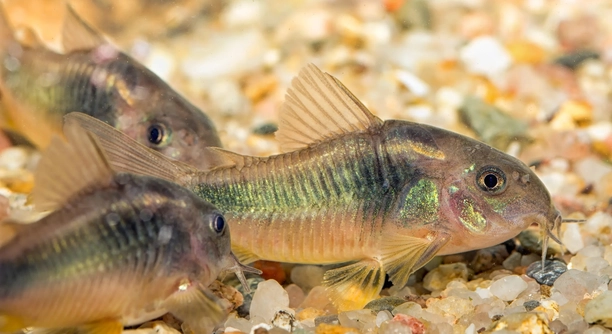
Are your Corydoras catfish not as active or healthy as you expected after setting up their tank?
Many common mistakes in tank setup can harm Corydoras catfish, such as using the wrong substrate, poor filtration, and unsuitable tank mates. These errors can stress the fish and affect their overall well-being.
Understanding these tank setup pitfalls can help you create a safer and more comfortable home for your Corydoras catfish.
Using Sharp or Gravel Substrate
Corydoras catfish have sensitive undersides and barbels that can be easily injured by rough or sharp gravel. Many people make the mistake of choosing decorative substrates without considering how it affects bottom-dwelling fish. Gravel with sharp edges can cause small cuts, leading to infection or stress. Over time, this can result in reduced activity or even illness. Soft, fine sand is the better option. It allows Corydoras to dig and forage naturally without harming themselves. Sand also helps food stay on the surface, making it easier for them to find meals. Always rinse the substrate thoroughly to remove dust or debris before adding it to the tank. While gravel might seem easier to clean, the safety and comfort of your Corydoras should come first. A smooth sand base can lead to healthier, more active fish and reduces the risk of long-term problems related to injuries or dirty, trapped waste.
Avoid decorative gravel that has large or jagged pieces. These can trap uneaten food and waste, which encourages bacteria growth and harms water quality.
Fine sand lets your Corydoras behave naturally. They enjoy sifting through it for food, and it won’t damage their delicate barbels or bellies. Their behavior often improves with the right substrate.
Skipping a Proper Filtration System
Filtration is often overlooked when setting up a tank for Corydoras, but it’s essential. These fish may be hardy, but they still need clean water with stable parameters to stay healthy and active.
A weak or missing filtration system can lead to poor water quality, which stresses your Corydoras and increases the risk of disease. These fish produce waste just like any other aquatic species, and if the tank isn’t filtering properly, ammonia and nitrites can build up fast. Sponge filters or hang-on-back filters work well in smaller tanks. For larger setups, consider a canister filter. Corydoras prefer gentle flow, so avoid anything that creates a strong current. Check the filter regularly to make sure it’s not clogged and that it’s running efficiently. A good filtration system doesn’t just clean the water—it also supports helpful bacteria that break down waste. Clean water supports better breathing, feeding, and natural activity in your Corydoras.
Choosing the Wrong Tank Mates
Corydoras catfish are peaceful and do best with calm tank mates. Placing them with aggressive or overly active fish can lead to stress, injuries, and hiding behaviors that reduce their quality of life.
Corydoras thrive when kept with species that won’t compete aggressively for food or nip at their fins. Fast, nippy fish like tiger barbs or large cichlids often harass them. That stress can impact their feeding habits and even weaken their immune systems. Instead, stick with gentle species like small tetras, rasboras, or peaceful gouramis. Keeping Corydoras in groups of six or more also helps them feel secure. They’re social fish that depend on each other for comfort. When placed in a tank with calm companions and enough space to swim, they’re more active and display natural behaviors like schooling and foraging. Matching their temperament makes a big difference in how healthy and happy they’ll be.
Avoid housing them with large, territorial fish that claim bottom space. Corydoras need access to open areas for sifting through the substrate. When paired with fish that dominate the bottom, they often stay hidden and eat less. Stick to fish that share the space peacefully and don’t compete directly for territory or food.
Overcrowding the Tank
Too many fish in the tank means more waste and less oxygen. This creates an unhealthy environment for Corydoras, who rely on clean, stable water to stay active and well. Overcrowding also causes stress and can lead to aggressive behaviors from other species.
Corydoras need space to swim and forage comfortably. Even though they’re small, they still benefit from a roomy tank with good floor space. A common mistake is placing them in a tank that’s already fully stocked, thinking they’ll just “fit in.” This leads to problems with oxygen levels, ammonia spikes, and food competition. A 20-gallon tank is a good starting point for a small group of six. Add more space as you increase the number of fish. Also, consider the needs of the other tank mates, since everyone shares the same water and filtration. Watching the group explore and interact is easier when they’re not crammed together in a small space.
Ignoring Water Temperature and Parameters
Corydoras do best in stable water temperatures between 72°F and 78°F. Sudden changes or water that’s too warm or cold can cause stress. Use a reliable heater and thermometer to keep the temperature steady throughout the day and night.
Soft, slightly acidic to neutral water is ideal for Corydoras. Keep pH levels between 6.5 and 7.5, and test water regularly. Avoid using untreated tap water, as it may contain chlorine or heavy metals that harm your fish.
Not Providing Enough Hiding Spots
Corydoras feel safer when they have places to hide. Use decorations like caves, driftwood, and live plants to create shaded areas. Hiding spaces help reduce stress, especially when the lights are on or other fish are nearby.
Using Bright Lighting Without Shade
Corydoras are sensitive to bright lighting and prefer dimmer tanks with shaded areas. Strong lights can make them hide more and stay less active. Floating plants or decorations can help soften the light and create a calmer setting.
FAQ
Can Corydoras live alone?
Corydoras are social fish and should not be kept alone. In the wild, they live in groups, and they need companions to feel safe. When kept alone, they often stay hidden, stop exploring, and may even stop eating. The minimum recommended group size is six. A small group helps them feel secure and behave naturally. You’ll notice them swimming together, foraging, and even resting in a cluster. If space allows, a larger group is even better. Corydoras thrive on social interaction, and their overall health improves when they live with others of their kind.
How often should I clean the tank?
Partial water changes should be done every week, around 25–30% of the total volume. This helps keep ammonia, nitrites, and nitrates in check. Corydoras are sensitive to dirty water and poor conditions can affect their health fast. Along with water changes, clean the substrate lightly with a gravel vacuum, especially if you’re using sand. Remove any uneaten food or debris before it decays. Clean the filter once a month or when flow seems reduced, but avoid replacing all the media at once to preserve good bacteria. Keeping the tank clean is one of the easiest ways to prevent disease.
What should I feed Corydoras catfish?
Corydoras enjoy a variety of foods. Sinking pellets or wafers made for bottom feeders are a good staple. You can also offer frozen or live foods like bloodworms, daphnia, or brine shrimp for variety. Avoid overfeeding, as uneaten food can pollute the tank. Feed them once or twice daily in small amounts. Make sure the food reaches the bottom where they can find it easily. Since they don’t swim to the top, floating foods usually go untouched. Rotate their diet every few days to ensure balanced nutrition. A well-fed Corydoras is more active and displays better color.
Do Corydoras need a bubbler or extra oxygen?
Corydoras can breathe air from the surface using their specialized gut, but they still need well-oxygenated water. If your tank has low surface movement or is overstocked, adding a bubbler or air stone can help. Proper filtration usually keeps oxygen levels high, but warmer water holds less oxygen, so in hotter tanks, extra aeration is a good idea. You might see Corydoras occasionally dart to the surface for air—this is normal in small amounts. If they do it constantly, the water might lack oxygen or have high ammonia levels. In that case, test your water immediately.
Why do my Corydoras keep hiding?
Corydoras often hide when they feel unsafe or stressed. This can happen if the tank has too much bright light, aggressive tank mates, or not enough hiding spots. Low group numbers can also make them feel vulnerable. Make sure they have caves, plants, or shaded areas to retreat to. Floating plants help tone down the light and create a more comfortable space. If all water parameters are fine, hiding is usually linked to environmental discomfort or fear. Once they feel safe, they’ll spend more time out in the open, exploring and foraging like they normally do.
Can Corydoras live with shrimp or snails?
Yes, Corydoras usually get along with peaceful invertebrates like shrimp and snails. They don’t bother shrimp and tend to ignore snails entirely. However, tiny baby shrimp might get eaten if the Corydoras find them. Provide plants and hiding areas for the shrimp to improve survival rates. Amano shrimp and nerite snails are good tank mates because they help keep the tank clean and don’t compete for space. Just make sure the tank is not overcrowded and that all species have enough room to live comfortably.
How do I know if my Corydoras are healthy?
Healthy Corydoras are active, social, and forage often. They should have clear eyes, smooth barbels, and no spots or damage on their bodies. If they stay still for long periods, breathe heavily, or avoid eating, something may be wrong. Check water quality first—many health issues are linked to poor conditions. Also, watch for signs of fin rot, bloating, or fungal patches. Keeping the tank clean, feeding a balanced diet, and maintaining stable water parameters are the best ways to support their health. Early signs of illness are easier to treat if caught quickly.
Final Thoughts
Setting up a tank for Corydoras catfish doesn’t have to be complicated, but it does take some care and planning. These fish are peaceful, social, and fun to watch, but they rely on their environment to stay healthy. Giving them the right substrate, clean water, and enough space helps them stay active and stress-free. Making sure the tank has proper filtration and keeping the water temperature stable also supports their overall well-being. These small steps may seem simple, but they make a big difference in how your Corydoras behave and thrive in their home.
Choosing tank mates carefully is another important part of setup. Corydoras are calm and should be placed with fish that won’t bother them. Aggressive or overly active fish can make them hide or stop eating. It’s also important to avoid overcrowding the tank. Even though they are small, Corydoras still need room to move around and dig through the substrate. A tank with too many fish can quickly become dirty, and that puts pressure on the filter and the water quality. When their environment feels safe and balanced, Corydoras are more likely to show natural behaviors like schooling, foraging, and resting together.
Overall, paying attention to the basics—like water changes, lighting, and diet—goes a long way. Providing hiding spots and a soft sand bottom creates a more comfortable tank. Watching your Corydoras explore, play, and rest together is a sign that the tank is working well for them. With consistency and the right setup, these fish can live happy and healthy lives. Making a few smart choices early on helps prevent stress and sickness later. If you focus on giving them what they need from the start, Corydoras are rewarding fish to keep and can bring a lot of activity and calm to your aquarium.

Hello,
If you enjoy the content that we create, please consider saying a "Thank You!" by leaving a tip.
Every little bit helps us continue crafting quality advice that supports the health, happiness, and well-being of pets around the world, for pets of all shapes, sizes, and species.
We really appreciate the kindness and support that you show us!