
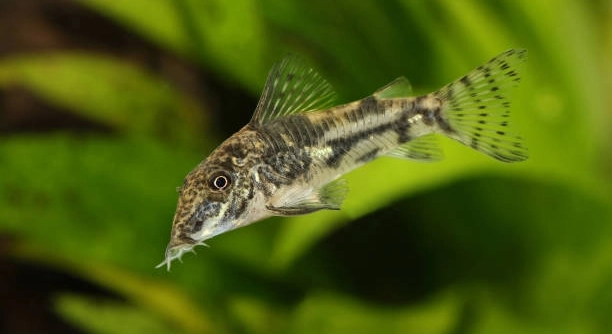
Is your Corydoras catfish acting strangely, spending more time near the surface, or showing signs of distress in the tank?
Corydoras catfish may have trouble breathing due to poor water quality, low oxygen levels, or illness. Common symptoms include rapid gill movement, lethargy, surface gasping, and pale gills. Prompt action helps improve their condition and comfort.
Recognizing early symptoms is key to keeping your Corydoras healthy and maintaining a peaceful, thriving aquarium environment.
Signs Your Corydoras Is Struggling to Breathe
A Corydoras catfish that’s having trouble breathing will often behave differently than usual. One of the first signs is rapid gill movement, which may look like they’re breathing fast or harder than normal. You might also see them hovering at the water’s surface more often, especially if they’re gulping for air. These fish naturally dart up for gulps now and then, but if it becomes frequent or frantic, it’s a red flag. Lethargy is another clear symptom—if your Corydoras stops swimming around like usual and prefers to stay still at the bottom, it could be stressed from lack of oxygen. Faded gill color, clamped fins, or loss of appetite may also appear as breathing worsens. These behaviors are their way of signaling that something’s not right in the tank, and they shouldn’t be ignored. Early recognition can help prevent more serious health problems.
Corydoras catfish depend on a clean, stable environment, so noticing unusual behavior is important for their survival.
Understanding these symptoms makes it easier to respond quickly and improve your fish’s health. Acting early helps avoid long-term damage or loss. These signs are your cue to make small changes before bigger issues take hold.
What Causes Breathing Trouble in Corydoras?
Poor water quality is often the main reason your Corydoras may struggle to breathe. High levels of ammonia, nitrites, or low oxygen can make them uncomfortable fast.
Corydoras catfish are hardy, but they’re sensitive to their surroundings. Breathing issues usually start when the tank’s water parameters are off. Ammonia and nitrite spikes, often caused by overfeeding or poor filtration, can damage gill tissues and lead to oxygen stress. If your tank lacks proper aeration or surface agitation, oxygen levels can fall, especially during warmer months when water holds less oxygen. Overstocked tanks make the problem worse, as more fish use up available oxygen. Another factor is disease—parasites or infections can affect gills, limiting your fish’s ability to breathe properly. If your Corydoras is constantly at the surface or showing physical symptoms like pale gills or red streaks, it’s time to check your water parameters and consider possible infections. Always test your water regularly to stay ahead of issues.
How to Check for Breathing Problems
Watch your Corydoras closely during feeding times or when the tank is quiet. If they’re hovering near the surface more than usual or breathing heavily, it’s worth checking your water quality and oxygen levels right away. Subtle changes often reveal the earliest signs.
Use a water testing kit to check ammonia, nitrites, nitrates, and pH. Elevated ammonia or nitrite levels are harmful and can lead to breathing trouble. Look for pale or discolored gills, rapid gill movement, or strange swimming patterns. If your fish looks weak or stays still for long periods, there may be a problem. Corydoras are active bottom-dwellers, so anything out of the ordinary is worth noting. You should also observe how often they surface for air—occasional trips are normal, but frequent surfacing usually signals distress. Keeping a consistent routine for observation helps you spot unusual behavior early and take fast action when needed.
Make sure your tank has enough oxygen by watching for signs like slow movement or increased surface activity. Aeration might need a boost, especially if the water feels warm to the touch. You can increase oxygen by adding an air stone or adjusting the filter’s surface flow. Keeping plants trimmed and algae under control also helps. In a well-maintained tank, your Corydoras should breathe easily and stay active. Small, routine checks make a big difference. If anything feels off, it probably is—trust those instincts and follow up with testing and tank adjustments. The sooner you respond, the quicker your fish can return to normal behavior and comfort.
Steps to Take if Your Corydoras Can’t Breathe Well
Start with a water test and partial water change. If ammonia or nitrite levels are high, remove 25–50% of the water and replace it with clean, dechlorinated water. This gives your Corydoras a better chance to recover quickly.
After the water change, focus on raising oxygen levels. Add an air stone or adjust your filter to create more surface movement. Cooler water also holds more oxygen, so consider dropping the temperature by a couple of degrees if it’s too warm. Make sure your tank isn’t overcrowded, as too many fish can lower oxygen fast. Avoid overfeeding—leftover food pollutes water and worsens breathing problems. Clean any buildup on the substrate or decorations to keep your tank healthy. If symptoms continue, quarantine the affected fish and treat for possible gill infections or parasites. Keeping up with regular maintenance and simple care habits helps your Corydoras recover and stay strong over time.
Common Mistakes That Can Affect Breathing
Overfeeding is an easy mistake that leads to poor water quality fast. Leftover food breaks down and increases ammonia, which stresses the fish and makes it harder for them to breathe. Stick to small, measured portions your Corydoras can finish within a few minutes.
Skipping regular water changes causes waste buildup and lowers oxygen. Dirty tanks also encourage bacteria that irritate gills. Weekly water changes, even just 20–30%, help keep everything balanced. Clean the substrate gently and rinse the filter media in tank water to avoid removing helpful bacteria.
How to Prevent Breathing Issues Long-Term
Maintaining stable water parameters is the best way to prevent breathing issues. Always cycle your tank properly before adding fish. Use a reliable filter, test the water weekly, and make sure oxygen levels stay steady. Avoid overcrowding and choose tank mates that won’t add stress. Clean the tank on a routine schedule, remove uneaten food, and trim live plants regularly to prevent dead spots. Keeping the temperature in a safe range also matters, especially during summer. Don’t skip observation—watching how your Corydoras behaves each day helps you catch changes early. A little attention goes a long way in keeping them healthy.
When to Seek Help from a Vet
If your Corydoras shows no improvement after water changes and added oxygen, or if breathing gets worse, it’s time to call a vet. Quick help can prevent serious damage.
FAQ
Why is my Corydoras gasping at the surface?
Gasping at the surface can be a sign that your Corydoras is struggling to get enough oxygen from the water. This often happens when oxygen levels drop, which can be caused by poor water circulation, high water temperature, or overcrowding. It’s important to ensure your tank has proper aeration and that the water temperature stays stable. Check your filter and add an air stone if necessary to boost oxygen levels. If the issue persists, consider performing a water change and testing for harmful substances like ammonia or nitrites.
What water parameters are ideal for Corydoras catfish?
Corydoras catfish thrive in water with a temperature between 72°F to 78°F (22°C to 26°C). pH should be slightly acidic to neutral, ideally between 6.0 and 7.5. Ammonia and nitrites should always be at 0 ppm, and nitrates should stay below 20 ppm for the best health. Regular water testing helps maintain these parameters. Inconsistent water quality can quickly lead to stress and breathing problems, so monitoring the water is essential for a thriving tank.
How do I know if my Corydoras has an infection?
Signs of infection in Corydoras may include clamped fins, lethargy, pale or discolored gills, lesions, or unusual swimming patterns. If your fish is having trouble breathing and shows physical signs like these, it could be dealing with an infection. A common issue is gill parasites, which affect their ability to breathe properly. If you notice these symptoms, it’s crucial to isolate the affected fish and consider treating the tank with medication for parasites or bacterial infections.
Can Corydoras get stressed easily?
Yes, Corydoras can become stressed by a variety of factors, including poor water quality, sudden changes in temperature, overcrowding, or aggressive tank mates. Stress lowers their immune system, making them more susceptible to illness and breathing problems. It’s important to provide a peaceful environment with stable water conditions to keep your Corydoras happy. Be mindful of the tank’s size, and avoid keeping too many fish in a small space.
Can I use a regular aquarium filter for Corydoras?
Yes, a regular aquarium filter works for Corydoras, but it’s important to choose one that provides gentle filtration. Corydoras are bottom dwellers, and strong currents can make them uncomfortable or stressed. Look for a filter with adjustable flow or one specifically designed for smaller fish. Ensuring that the filter does not create strong water movement helps keep the tank environment comfortable and allows your Corydoras to thrive.
How often should I clean the tank to avoid breathing issues?
Regular tank cleaning is essential to avoid breathing issues caused by poor water quality. Perform a partial water change once a week, removing 20-30% of the water. Clean the substrate with a gravel vacuum to remove any waste or leftover food. Also, rinse your filter media in tank water (never tap water) to avoid killing beneficial bacteria. Consistent tank maintenance helps maintain good water quality, preventing ammonia or nitrite buildup that could affect your Corydoras’ breathing.
Can a lack of oxygen cause gill damage in Corydoras?
Yes, low oxygen levels can cause stress and gill damage in Corydoras. When there is not enough oxygen in the water, the fish will struggle to breathe, leading to rapid gill movement and possible injury. Over time, this can damage the delicate gill tissue, making it harder for your fish to breathe properly. Ensure your tank is well-aerated by using an air stone or adjusting your filter to create surface agitation, which helps oxygenate the water.
Why are my Corydoras staying at the bottom of the tank?
If your Corydoras is staying at the bottom of the tank, it could be a sign of illness or stress. While they are naturally bottom dwellers, excessive lethargy or a refusal to swim could indicate a water quality issue or an infection. First, check the water parameters and ensure the oxygen levels are adequate. If the water is fine, observe the fish for other symptoms like clamped fins, pale gills, or abnormal swimming patterns, which could indicate a deeper problem.
How can I boost oxygen in my tank for Corydoras?
Increasing oxygen in your tank can be done by improving water movement and aeration. Use an air stone or an air pump to add oxygen directly into the water. You can also adjust your filter to create more surface agitation, as oxygen exchange happens at the water’s surface. Adding live plants can also help, as they release oxygen during photosynthesis. Keep in mind that warm water holds less oxygen, so ensure your tank temperature stays within a healthy range.
Is it normal for Corydoras to swim in groups?
Yes, Corydoras are social fish and prefer to swim in groups. In the wild, they often travel in schools for safety and socialization. When kept in groups, Corydoras tend to be more active and less stressed. Keeping at least three or more Corydoras together can help them feel secure and comfortable, leading to a healthier and happier environment. However, make sure your tank is large enough to accommodate them, as overcrowding can lead to stress and breathing problems.
What are some common causes of sudden death in Corydoras?
Sudden death in Corydoras can be caused by several factors, including rapid changes in water parameters (like pH, ammonia, or nitrite spikes), oxygen deprivation, infections, or parasites. Poor diet or overfeeding can also contribute to health problems that lead to sudden death. A consistent routine of water testing, regular cleaning, and careful monitoring of your Corydoras will help prevent unexpected fatalities. If a Corydoras dies unexpectedly, it’s essential to test the tank’s water and check for signs of illness in the remaining fish.
Final Thoughts
Taking care of your Corydoras catfish involves regular attention to their environment and behavior. Their delicate gills and sensitive nature make them prone to breathing issues when water quality isn’t maintained or when other stress factors are present. It’s crucial to monitor the tank’s water parameters, such as temperature, pH, and ammonia levels, to ensure a healthy environment. Routine water changes, careful feeding practices, and proper tank filtration can go a long way in preventing common issues. Maintaining stable conditions will not only help your Corydoras thrive but also reduce the chances of stress or illness affecting their breathing.
In addition to water quality, observing your Corydoras’ behavior regularly is essential for spotting signs of trouble early. If your fish starts exhibiting signs of difficulty breathing, such as gasping at the surface or fast gill movements, take immediate action. Addressing the problem early can prevent further stress and potential health complications. Regularly checking for symptoms like changes in swimming patterns or physical appearance will give you a better understanding of their overall health. By doing this, you can take timely steps to improve the situation, whether that involves adjusting the tank environment, providing better aeration, or seeking veterinary advice.
Ultimately, the goal is to create a peaceful, balanced habitat where your Corydoras can live comfortably and breathe easily. Maintaining a stable tank, keeping the water clean, and avoiding overcrowding will help minimize stress and keep your fish healthy. If you ever notice any signs of trouble, remember that small changes can make a big difference in the overall well-being of your fish. By being proactive and attentive, you can ensure that your Corydoras enjoys a long, healthy life in its aquatic home.

Hello,
If you enjoy the content that we create, please consider saying a "Thank You!" by leaving a tip.
Every little bit helps us continue crafting quality advice that supports the health, happiness, and well-being of pets around the world, for pets of all shapes, sizes, and species.
We really appreciate the kindness and support that you show us!