
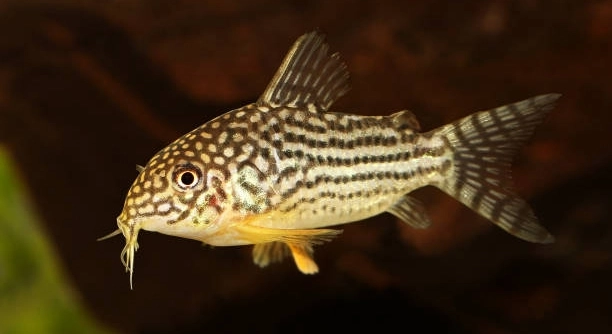
Are your Corydoras catfish spending too much time searching the tank floor or leaving leftover food behind after meals? Feeding the right amount can be tricky, especially with their scavenging habits and shared tank environments.
To ensure your Corydoras catfish receive the correct amount of food, observe their behavior during feeding, monitor leftovers, feed small portions once or twice daily, and adjust based on their appetite, tank size, and tank mates’ eating habits.
Proper feeding helps maintain their health and keeps your tank clean. Understanding how much to feed makes a noticeable difference in their energy and overall well-being.
Watch Their Behavior During Feeding
Corydoras are bottom-dwellers, so they often wait until food sinks before eating. If you notice them actively foraging the substrate after the rest of the tank has finished eating, they may not be getting enough. When food is scattered, faster or more aggressive fish may eat it first, leaving little behind. To avoid this, feed sinking pellets that go directly to the bottom. Try to feed your Corydoras at the same time every day to develop a consistent routine. If they ignore the food or eat too slowly, reduce the amount or try a different feeding spot.
Feeding during low-activity hours helps them feel safer and more comfortable while eating.
Watching their interaction with food will help you understand if they’re being overfed or underfed. Overfeeding can lead to waste buildup, while underfeeding causes stress and health decline. Observing feeding habits lets you adjust accordingly, ensuring a cleaner tank and healthy fish.
Use the Right Food Type
Corydoras do best with sinking food that reaches the tank floor quickly.
Sinking pellets, bottom feeder tablets, and frozen or live food are ideal choices for them. These options prevent competition with top-swimming fish and let Corydoras eat peacefully. Avoid floating flakes or pellets that may never reach them. Variety is also important—alternate between pellets, blanched vegetables, and protein-rich options like bloodworms or brine shrimp. Feeding a mix supports their nutritional needs and keeps them active. Keep portions small and observe their appetite. If food remains after a few minutes, reduce the amount next time. Sticking to their preferred food style can help prevent stress and promote better health outcomes.
Feed Small Portions at a Time
Feeding small portions helps prevent waste and keeps water conditions stable. Corydoras have small stomachs and do not need large meals. Start with a pinch and adjust based on how quickly they finish it.
When feeding, observe how long it takes them to eat. If food is gone within a few minutes, the portion is likely right. If it remains after five minutes, you’re probably giving too much. Remove any uneaten food to avoid water contamination. A small amount once or twice a day is usually enough. This method reduces the risk of overfeeding and supports cleaner tank conditions. Feeding less but more accurately keeps them healthy and avoids buildup of uneaten debris that can cause water quality issues.
Consistent, small feedings allow Corydoras to eat calmly and reduce stress. Overfeeding might seem like care, but it causes more harm than good. Their behavior after eating tells you when it’s time to stop.
Consider Tank Mates and Competition
Other fish in the tank can affect how much food reaches your Corydoras. Fast or aggressive eaters might grab everything before food sinks. This makes it harder for Corydoras to get their share, even if you’re feeding enough.
To make sure they’re not missing meals, use sinking food that spreads across the bottom. Feeding when the lights are dim can also help, especially if the Corydoras are shy. You can try feeding in different tank corners to give them a better chance to reach the food. Watch for signs of weight loss or unusual behavior, which might indicate they’re not eating enough. Keeping peaceful tank mates is helpful too. Avoid keeping them with overly dominant species that could outcompete them regularly. Paying attention to these details ensures everyone gets what they need and reduces stress for your bottom dwellers.
Feed at the Right Time
Feeding your Corydoras when the tank is quieter helps reduce stress. Early morning or evening, when the lights are low, is often best. This lets them eat without pressure from faster or more active fish nearby.
A consistent schedule also helps. Corydoras learn feeding times and become more active during those periods.
Remove Leftover Food
Leftover food quickly affects water quality and can lead to health problems. Always check the tank after feeding and remove uneaten pieces within five minutes. A small net or siphon works well for cleanup without disturbing the fish.
Adjust Based on Growth and Activity
As Corydoras grow or become more active, they may need more food. Watch their size and behavior for signs. If they stay active and maintain a healthy shape, you’re likely feeding the right amount. Avoid feeding based on instinct—observation gives better results.
FAQ
How do I know if my Corydoras are getting enough food?
Watch how they act during and after feeding. If they actively search the bottom and appear satisfied shortly after, they’re likely eating enough. If they continue foraging long after food is gone or seem sluggish, they might need more. Check for signs like stable weight, steady energy, and no aggression during feeding. Uneaten food on the substrate isn’t always a bad sign, but persistent searching and skinniness suggest underfeeding. Try adjusting the portion slightly and monitor changes in behavior over the next few days to find the right balance.
Can Corydoras eat flakes or floating food?
Corydoras are not suited to floating foods. They stay at the bottom and rarely swim up for food unless they’re very hungry. Most flakes stay near the surface or mid-level, where other fish may eat them first. Instead, choose sinking pellets or bottom feeder wafers, which drop directly to the tank floor. This helps ensure your Corydoras have direct access to their food without needing to compete or strain. Occasionally, crushed flakes that eventually settle may be eaten, but they’re not ideal. For better nutrition and feeding efficiency, stick with food that sinks immediately.
How often should I feed my Corydoras?
Once or twice per day is usually enough. Feed in small amounts, watching how quickly they eat. If food is still on the bottom after five minutes, you’re likely feeding too much. Some aquarists prefer one daily feeding with a small snack later, while others do two equal feedings. Both work fine if the portions are controlled. Overfeeding leads to poor water quality and health issues. You can also skip a day each week to give their digestive system a break, which helps prevent bloating and keeps the tank cleaner.
What’s the best food for Corydoras?
Sinking pellets and bottom feeder tablets work best. Choose high-protein options meant for bottom dwellers. You can supplement with blanched vegetables like zucchini and protein treats like frozen bloodworms, daphnia, or brine shrimp. Varying their food helps meet all nutritional needs. Avoid over-relying on a single food type. Occasional live foods are also great for stimulation and enrichment. Always make sure the food sinks quickly and doesn’t dissolve too fast, which can dirty the water. Keep portions small, and rotate foods every few days to offer variety without overcomplicating the routine.
What if my Corydoras are in a community tank?
In a shared tank, feeding can be tricky. Other fish might eat most of the food before it sinks. Use sinking food and place it in multiple spots. Feeding after lights are dimmed helps shy Corydoras feel safer. Watch their behavior to see if they’re actually getting food. If they’re showing signs of stress or weight loss, they may need isolated feeding zones or nighttime feeding. Keeping peaceful tank mates and spreading out food makes a big difference. You can even use a feeding dish to help them locate food quickly and keep it in one spot.
Can I hand-feed Corydoras?
It’s possible, but it takes patience. Corydoras are shy and usually avoid direct contact. If you remain still, they may eventually come close to feed. Holding food near the bottom can encourage them to associate your hand with feeding. Use long feeding tongs for safety and to avoid disturbing them too much. This method is better for tanks with fewer fish or minimal competition. While not necessary, hand-feeding can build trust over time. Just be gentle, and always wash your hands before feeding to avoid introducing contaminants into the water.
Do baby Corydoras eat the same food as adults?
Not exactly. Fry need much smaller, high-protein food. Crushed flakes, powdered fry food, baby brine shrimp, and microworms are ideal. Feed tiny portions several times a day. As they grow, slowly introduce crushed pellets and other sinking foods. Watch for healthy growth, active swimming, and alertness as signs of proper feeding. Avoid overfeeding at this stage—it can foul the water quickly and harm their health. Keep the tank clean and maintain a feeding schedule. Once they reach about an inch in size, you can begin transitioning to adult Corydoras food in small amounts.
Final Thoughts
Feeding Corydoras catfish the right amount is not difficult, but it does take a little attention and consistency. These peaceful bottom dwellers rely on you to provide food that reaches the substrate, especially in community tanks where faster fish eat first. Choosing the right type of food, feeding at the right times, and watching their behavior helps you understand what they need. Feeding too much can make the water dirty and harm their health. Feeding too little can leave them stressed, hungry, and underweight. A simple routine, combined with a few quick checks after feeding, can make a big difference.
It helps to stay aware of their habits. Healthy Corydoras are active, alert, and curious when it’s time to eat. If they eat quickly and stop once satisfied, they’re likely getting the right amount. If they keep searching or start acting differently, something may be off. Adjusting food portions, changing the feeding time, or even trying new types of food can help solve problems. It’s also a good idea to check their environment regularly. Clean water, proper tank mates, and good hiding spots all play a role in how well they eat and stay healthy.
No single method works for everyone. Each tank is different, and each group of Corydoras may act slightly differently. What matters most is paying attention to your own fish and making changes when needed. Use sinking food, keep a steady feeding schedule, and watch how they respond. Remove leftovers quickly and give them breaks between meals to keep their system balanced. A simple approach is often the most effective. By keeping things steady and being a little observant, you can make sure your Corydoras get the food they need without complications.

Hello,
If you enjoy the content that we create, please consider saying a "Thank You!" by leaving a tip.
Every little bit helps us continue crafting quality advice that supports the health, happiness, and well-being of pets around the world, for pets of all shapes, sizes, and species.
We really appreciate the kindness and support that you show us!