
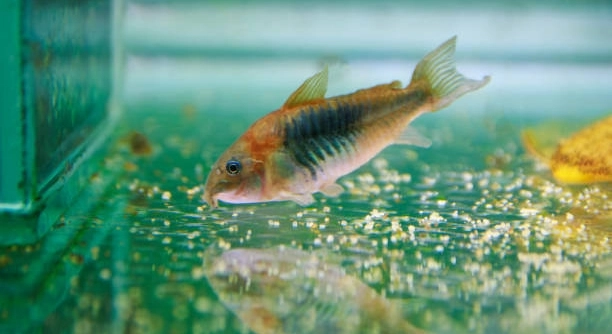
Moving your Corydoras catfish to a larger tank can be an exciting experience. However, it’s important to observe their behavior to ensure they are adjusting well to the new environment. Understanding their needs will help them thrive.
The key indicators of a Corydoras catfish adjusting well to a larger tank include active swimming, consistent feeding, and normal social behavior. Healthy fish will also explore their new surroundings and show minimal signs of stress or illness.
Recognizing these signs can help you assess your catfish’s well-being and ensure that your aquarium setup meets their needs for comfort and safety.
Signs of Stress in Corydoras Catfish
Corydoras catfish are generally peaceful creatures, but changes in their environment, such as moving to a larger tank, can cause them to experience stress. Common signs of stress include rapid swimming, hiding more often, or rubbing against objects in the tank. If your catfish is stressed, you may also notice loss of appetite or a decrease in their usual social behaviors. Stress can be triggered by various factors such as water quality, temperature fluctuations, or the introduction of new tankmates. These signs should not be ignored as prolonged stress can lead to illness.
If you notice any of these behaviors, it’s essential to assess the tank environment. Poor water conditions, aggressive tankmates, or sudden changes in the tank layout can all contribute to stress. Check for any discrepancies in water parameters like pH, ammonia, and temperature, as these can significantly affect the well-being of your catfish.
Once you’ve ensured that the water conditions are ideal and there are no other stressors, the next step is to monitor your catfish closely. It may take some time, but with patience and proper care, your Corydoras should eventually adjust to their new home.
Healthy Behavior to Look For
Healthy Corydoras catfish are more likely to engage in natural behaviors such as exploring their surroundings and interacting with other fish.
They will be more active, swimming gracefully at the bottom of the tank and frequently foraging for food. Healthy Corydoras also display social behaviors, such as grouping together with other fish in the tank, as they are schooling fish by nature. Additionally, they will be visibly comfortable in the environment, not hiding in caves or corners for extended periods. If your Corydoras is showing these behaviors, it’s a strong sign that they are adapting well to their new space.
Active Swimming Patterns
When your Corydoras is adjusting well to a larger tank, active swimming is one of the key signs. They may swim at the bottom, moving smoothly and confidently from one spot to another. This is a positive sign they feel comfortable in the new space.
If the catfish begins swimming with ease, it means they are familiarizing themselves with the larger environment. Initially, they may seem cautious or slow, but as they adjust, their swimming becomes more fluid. They’ll also spend time exploring new hiding spots and areas they haven’t used before. Active swimming shows that the fish are no longer stressed and are happy to explore their home.
At this stage, their movement should look natural. If they swim erratically or appear lethargic, something might still be off with their adjustment. Keep an eye on their patterns, and any unusual changes could indicate that more adjustments to the tank are necessary.
Normal Eating Habits
Corydoras catfish are typically eager to eat, especially if their environment suits them. A clear sign that your fish is adjusting well is when they resume normal eating habits. They should readily eat the food provided, whether it’s pellets, flakes, or live food.
When Corydoras adjust to a new tank, they might initially be shy or hesitant to eat. But over time, as they feel more comfortable, they will start looking for food and feeding more regularly. If your catfish is eating in the same manner as before, it’s a great indication that they are adjusting well. They may even approach you or the feeding area with more confidence as they settle into their new surroundings.
Make sure to check the water parameters regularly, as any changes in eating habits can sometimes be linked to water quality. If the fish stop eating entirely or show a lack of interest, it may be time to reassess the tank setup.
Interaction with Tankmates
A Corydoras catfish adjusting well to a larger tank will interact positively with its tankmates. They are social fish and often enjoy being around others of their species. When they feel comfortable, they may engage in social behavior such as swimming near or with other fish.
Pay attention to how your Corydoras behaves around other fish. If they’re constantly hiding or avoiding other tankmates, there may still be stress or aggression from the new tank environment. However, if they swim together or show interest in the activities of other fish, it indicates a smooth adjustment process. This social interaction is a good sign that they feel safe.
Be mindful of any aggressive tankmates. Even though Corydoras are peaceful, some fish may not tolerate them well. In these cases, the catfish might exhibit signs of stress or isolation, which will slow down their adjustment to the new tank.
Exploration of the Tank
As Corydoras become more comfortable in their larger tank, they will begin to explore more of the space. You may see them investigating plants, rocks, or the tank’s bottom in greater detail. This behavior shows that they are settling into their new environment and not feeling overwhelmed by the change.
Exploring their surroundings is a natural behavior for these curious fish. They may seek out new hiding places or rummage through substrate for food. This increased exploration means they feel secure enough to move freely without fear. Pay attention to how much time they spend in different areas of the tank. If they frequently check out new spots, it’s a sign of positive adaptation.
If your Corydoras seems uninterested in exploring and stays hidden or near the same spot, it could signal that they need more time to adjust, or something in the tank setup may be causing discomfort.
FAQ
How long does it take for Corydoras catfish to adjust to a larger tank?
The adjustment time for Corydoras catfish can vary depending on the specific conditions of the tank. Generally, it may take anywhere from a few days to a couple of weeks for them to fully acclimate to their new home. During this time, it’s important to monitor their behavior and ensure the tank environment is stable. Factors like water quality, temperature, and tankmates can influence how quickly they adapt. Keeping an eye on their eating habits, swimming patterns, and overall activity will give you a good indication of their adjustment.
What are the best tank conditions for Corydoras catfish?
Corydoras catfish thrive in a well-maintained tank with stable water conditions. The water temperature should be between 72-78°F (22-26°C), with a pH level of 6.5 to 7.5. They also prefer soft to moderately hard water, so check the water hardness to ensure it’s suitable. A well-filtered tank with a gentle current is ideal, as these fish do not like strong water flow. Additionally, providing a soft substrate, like fine sand, will protect their sensitive barbels. It’s crucial to maintain water cleanliness and perform regular water changes to avoid stress.
Can Corydoras catfish live with other fish?
Yes, Corydoras catfish are peaceful and generally do well in community tanks. They tend to stay at the bottom of the tank and usually avoid interactions with more aggressive or dominant fish. Good tankmates include other peaceful species such as tetras, guppies, and rasboras. However, avoid keeping them with overly aggressive fish or those that might nip at their fins or barbels. As Corydoras are social fish, they also prefer being in groups of at least three or more. This helps them feel secure and encourages natural behaviors.
What should I do if my Corydoras catfish isn’t eating after moving to a larger tank?
If your Corydoras catfish isn’t eating after moving to a larger tank, the first thing to check is the water quality. Poor water conditions, such as high ammonia levels or improper pH, can cause stress and make your fish reluctant to eat. Make sure the tank is properly cycled and that the temperature and water parameters are within the ideal range. If the water is fine, consider offering different types of food like frozen or live foods to entice them. Sometimes, the fish may also need time to adjust to the new environment before they regain their normal appetite.
What are some common signs of illness in Corydoras catfish?
Common signs of illness in Corydoras catfish include lethargy, loss of appetite, and abnormal swimming behavior, such as swimming upside down or rubbing against objects in the tank. If the fish develops visible signs such as discoloration, lesions, or white spots, it may have an infection or parasite. Additionally, if you notice frayed fins or damaged barbels, this could be a sign of physical injury or poor water quality. Regular monitoring and prompt action are necessary to address any health concerns, as Corydoras are sensitive to water changes and potential disease outbreaks.
How can I help my Corydoras catfish settle into their new tank faster?
To help your Corydoras catfish settle in faster, start by minimizing any disturbances during the transition. Avoid overcrowding the tank with too many new fish or decorations right away. Make sure the tank environment is as stable as possible before introducing your fish. A gradual change in water temperature and water parameters, especially when acclimating them to the larger tank, will reduce stress. Providing plenty of hiding spots with plants, rocks, or driftwood also gives your catfish a sense of security. Lastly, keep the tank’s lighting dim for the first few days, as bright lights can stress out new arrivals.
What type of substrate is best for Corydoras catfish?
Corydoras catfish have sensitive barbels, which they use to search the substrate for food. Because of this, it’s important to provide a soft, fine substrate, like sand or smooth gravel. Sharp or coarse gravel can injure their barbels, leading to infection or discomfort. Sand mimics the natural habitat of Corydoras, allowing them to sift through it as they forage for food. Be sure to clean the substrate regularly, as uneaten food can build up and cause water quality issues. A vacuuming tool for the substrate can help keep it clean and healthy for your fish.
Why are my Corydoras catfish hiding so much?
If your Corydoras catfish is hiding a lot, it may be due to stress from the new environment, poor water quality, or other tankmates. Hiding is a common behavior for fish that are adjusting to changes. However, excessive hiding can indicate that something is off. Check the water parameters to ensure they are in the proper range, and assess whether any aggressive fish are causing stress. Sometimes, Corydoras will hide if they feel threatened or uncomfortable, so providing additional hiding spots like plants or caves may help them feel more secure.
Do Corydoras catfish need a lot of space to thrive?
Corydoras catfish do well in tanks of various sizes, but they will thrive best in a tank that provides adequate space to swim and explore. In general, a tank size of at least 20 gallons is ideal for a small group of Corydoras. A larger tank gives them more room to move around, and it helps keep the water quality more stable. When adding Corydoras to a tank, ensure there is enough space for them to form a small school. They feel more secure and display natural behavior when they have room to interact with each other.
Can Corydoras catfish tolerate cold water?
Corydoras catfish are not cold-water fish and prefer slightly warmer temperatures. The ideal temperature range for Corydoras is between 72-78°F (22-26°C). While they can tolerate slight temperature fluctuations, they will not do well in water that is too cold. Keeping the water temperature consistent helps prevent stress and keeps them healthy. If the temperature in your tank drops below 70°F (21°C), it could slow down their metabolism, and they may become more susceptible to illness. It’s essential to maintain a stable, warm environment for your Corydoras catfish.
Final Thoughts
When moving your Corydoras catfish to a larger tank, it’s important to give them time to adjust. These fish are generally peaceful and adaptable, but any change in their environment can be stressful. If you notice signs of stress or changes in behavior, like hiding more often or a lack of appetite, it’s essential to check the water quality and make sure the tank conditions are ideal. Proper water temperature, pH, and cleanliness are key factors in helping your Corydoras feel at home. It might take a few days or even a couple of weeks, but with patience, they will usually adapt to their new surroundings.
During the adjustment period, it’s helpful to provide a calm and stable environment. Adding hiding spots, like plants, caves, or rocks, can help your Corydoras feel more secure. Keep the tank free from aggressive fish, as they can cause additional stress. Corydoras are social creatures, so keeping them in small groups is also beneficial for their well-being. A peaceful environment where they can swim freely and interact with other fish will speed up the adaptation process and ensure they stay healthy in the long run.
Ultimately, observing your Corydoras closely is the best way to ensure they’re adjusting well. Watch for signs of normal behavior, like active swimming, eating, and interacting with other fish. If they seem to be thriving, then you know your fish is settling in well. However, if you notice any issues, like unusual hiding, erratic swimming, or lack of appetite, don’t hesitate to address the problem. By making sure the tank conditions are just right and giving your Corydoras the time they need, you can help them adjust to their larger tank and enjoy a happy, healthy life.

Hello,
If you enjoy the content that we create, please consider saying a "Thank You!" by leaving a tip.
Every little bit helps us continue crafting quality advice that supports the health, happiness, and well-being of pets around the world, for pets of all shapes, sizes, and species.
We really appreciate the kindness and support that you show us!