
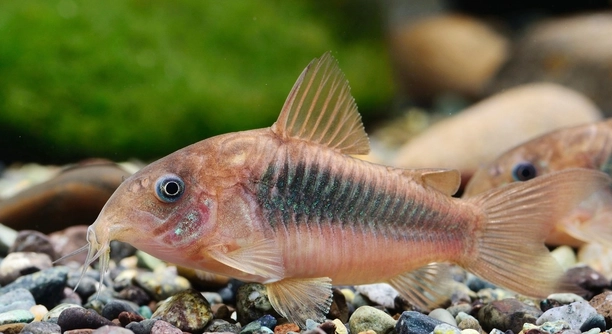
Corydoras catfish are peaceful creatures but can become territorial in certain conditions. Proper tank setup and care can prevent them from developing such behaviors. Understanding these habits is essential for keeping them happy and stress-free.
To prevent Corydoras catfish from becoming territorial, ensure proper tank size, hiding spaces, and group sizes. Providing an appropriate environment with adequate food and minimal stress factors promotes social harmony and reduces the likelihood of territorial aggression.
Creating the right conditions for your Corydoras catfish will help them thrive and maintain peaceful relationships with tankmates.
Proper Tank Size
One of the most important factors in keeping Corydoras catfish from becoming territorial is having the right tank size. A tank that is too small can cause stress and limit the fish’s space, which can trigger territorial behavior. A 20-gallon tank or larger is recommended for a group of Corydoras. The more room they have to swim and explore, the less likely they will feel the need to claim a space as their own. Additionally, a larger tank allows for better water quality, which helps in reducing stress and promoting overall health.
A properly sized tank helps ensure that each fish has enough personal space. When Corydoras feel crowded, they are more likely to exhibit territorial tendencies.
Ensure that the tank is spacious enough for the number of fish you keep. The extra space will allow them to interact peacefully and reduce any conflicts. A well-maintained tank can make a big difference in their behavior.
Tank Setup and Hiding Spaces
The setup of your Corydoras’ tank plays a big role in their behavior. Incorporating plenty of hiding spots such as rocks, caves, or plants can significantly reduce territorial disputes. These hiding spots give each fish a place to retreat to when they need some quiet time or feel threatened. Corydoras are naturally bottom-dwelling fish, so adding hiding spots at the substrate level encourages them to feel more secure and less likely to fight over space.
Having places to hide reduces aggression, as the fish can find safety when needed. This setup mimics their natural environment and helps to keep them comfortable.
Another useful aspect is to arrange the decorations in such a way that the fish can easily navigate around without getting blocked by obstacles. By ensuring a smooth flow of space, the Corydoras can explore without the stress of competing for territory.
Group Size
Corydoras catfish are social animals and thrive in groups. A single Corydoras can feel vulnerable and territorial, leading to more aggressive behavior. Keeping them in groups of at least five will allow them to interact without feeling the need to defend a specific area. The more fish you have, the less likely they are to fight over space.
In a group, Corydoras will share resources and engage in natural social interactions. With enough companions, they will spend more time swimming together, which minimizes any territorial tendencies. A group dynamic provides support and reassurance for each fish, reducing anxiety and stress.
Having a larger group also distributes attention, so individual fish don’t feel singled out. They will be less likely to claim or defend specific spaces, as they have plenty of friends to interact with. This group behavior helps them form a natural hierarchy that keeps territorial issues in check.
Tankmates and Compatibility
Choosing the right tankmates is crucial in preventing territorial behavior. Corydoras are peaceful, but aggressive or overly active fish can provoke stress and territoriality. It’s best to house them with other peaceful bottom dwellers or species that do not compete for the same space. Avoid aggressive fish that may bully or intimidate them.
Peaceful tankmates allow Corydoras to relax and interact freely without the pressure of defending their territory. Fish like guppies, mollies, or tetras can coexist well with Corydoras. These species won’t challenge their space or provoke territorial disputes, helping maintain a calm tank environment.
The key is to ensure that tankmates don’t overpower the Corydoras in terms of aggression or competition for resources. By selecting compatible species, you can create a peaceful, balanced tank where Corydoras are free to swim and socialize without fear of territorial conflict.
Water Quality
Maintaining good water quality is essential in preventing territorial behavior in Corydoras catfish. Poor water conditions can stress the fish, leading them to become more territorial. Regular water changes, proper filtration, and monitoring ammonia, nitrite, and nitrate levels will help maintain a healthy environment for the fish.
By ensuring clean, stable water conditions, you prevent stressors that could encourage territorial aggression. Stress caused by poor water quality can lead to a decrease in overall well-being, so it’s essential to keep the tank clean and balanced.
Corydoras thrive in well-maintained tanks with stable water parameters. Consistent care ensures that the fish remain calm and comfortable, reducing any need to claim territory.
Tank Temperature
Corydoras catfish prefer a stable temperature between 72°F and 78°F. When the water temperature fluctuates too much, it can cause stress, making the fish more likely to display territorial behaviors. Using a reliable heater helps maintain this steady temperature range.
A consistent, ideal temperature promotes a stress-free environment. Fish will feel comfortable and less likely to fight over territory when the conditions are right. Always use a thermometer to monitor temperature and ensure it remains within the optimal range for Corydoras.
With stable water temperature, the catfish remain healthy and calm, making them less likely to become territorial.
Substrate Choice
The right substrate is crucial for Corydoras, as they are bottom dwellers. Soft, smooth sand or fine gravel allows them to forage naturally without getting injured. Rough or sharp substrates can cause stress and may lead to territorial behavior, as the fish might feel unsafe or agitated.
Soft substrates help Corydoras maintain a natural feeding behavior. Sand or fine gravel also promotes good water circulation, which reduces the chances of harmful waste buildup. By choosing the right substrate, you help your Corydoras feel more at ease and reduce territorial tendencies.
A suitable substrate is key to keeping them comfortable and calm. Avoid using sharp rocks or heavy gravel that could cause harm.
FAQ
Why do Corydoras catfish become territorial?
Corydoras catfish are generally peaceful, but they can become territorial when they feel stressed or crowded. In smaller tanks, limited space can cause fish to claim areas as their own. A lack of hiding spots or proper tank setup can also lead to territorial behaviors. In stressful conditions, they might become more protective of their space, which is often a defense mechanism.
How can I prevent my Corydoras catfish from getting territorial?
The best way to prevent territorial behavior is by providing a spacious tank with plenty of hiding spots. Ensure your Corydoras are kept in a group of at least five, as they are social creatures and feel more secure when they can interact with each other. Additionally, maintaining good water quality and stable temperatures reduces stress and keeps territorial behavior at bay.
Can Corydoras catfish live alone without getting territorial?
While Corydoras can technically survive alone, they are social animals that thrive in groups. Keeping them alone can make them feel vulnerable, leading to stress and potentially territorial behavior. It’s recommended to house them in groups of at least five to ensure they stay calm and interact peacefully.
What are the signs of territorial aggression in Corydoras?
Territorial aggression in Corydoras may include chasing, nipping, or blocking other fish from certain areas of the tank. You might also notice that one fish spends more time hiding or guarding a specific spot. These behaviors are signs that the fish is feeling stressed or threatened and is trying to protect its space.
How big should my tank be for Corydoras catfish?
A 20-gallon tank is the minimum size recommended for a group of Corydoras. Larger tanks offer more space for swimming, which helps reduce territorial conflicts. The more space you provide, the more comfortable your Corydoras will feel, leading to less aggression. In larger tanks, the fish have room to establish their own territory without overlapping.
What kind of tankmates can I keep with Corydoras catfish?
Corydoras are peaceful and do best with other non-aggressive species. Good tankmates include guppies, tetras, mollies, and other peaceful bottom dwellers. Avoid housing them with aggressive fish like cichlids or large, fast-swimming species that could intimidate or compete for space. Peaceful companions help maintain harmony and prevent territorial conflicts.
Is water temperature important for preventing territorial behavior in Corydoras?
Yes, water temperature plays a big role in the overall well-being of Corydoras. They thrive in temperatures between 72°F and 78°F. Fluctuations in temperature can stress them out, making them more prone to territorial aggression. Keeping the water temperature stable within this range helps your Corydoras remain calm and relaxed, reducing the chances of territorial disputes.
How often should I clean the tank to prevent territorial behavior in Corydoras?
Regular tank maintenance is essential to prevent stress-related territorial behavior. Perform partial water changes at least once a week to maintain clean water conditions. Make sure to also clean the substrate and remove any debris that might accumulate. Good filtration helps keep the water clear and fresh, which contributes to the fish’s overall health.
Can Corydoras catfish live with shrimp?
Corydoras catfish can live with shrimp in most cases, as they are peaceful and non-aggressive. However, it’s essential to consider the size of the shrimp. Larger shrimp may feel threatened by the Corydoras, while smaller shrimp could become prey. Ensure there are plenty of hiding spots for the shrimp to avoid any potential conflicts.
What should I feed my Corydoras catfish to reduce territorial behavior?
Feeding your Corydoras a well-balanced diet is important to keep them healthy and stress-free. Provide a mix of high-quality sinking pellets, frozen or live foods, and occasional vegetable matter. A varied diet ensures that the fish don’t feel the need to compete for food, reducing the likelihood of territorial aggression.
Can the presence of too many decorations cause territorial behavior in Corydoras?
Too many decorations in the tank can sometimes create a sense of overcrowding. However, properly placed decorations that allow fish to navigate freely can reduce territorial aggression. The key is to ensure that decorations are strategically placed to create hiding spots without making the tank feel cramped. Too little space between decorations can trigger territorial disputes.
Do Corydoras need a filter to prevent territorial behavior?
Yes, a good filter is essential for maintaining clean water and preventing stress in Corydoras catfish. Poor water quality is one of the leading causes of territorial behavior, as it makes the fish feel unsafe. A filter helps keep the water clear and promotes a healthier environment, which in turn reduces aggression.
How can I tell if my Corydoras catfish are stressed?
Stressed Corydoras may exhibit signs such as hiding, erratic swimming, or reduced activity. They might also stop eating or become more aggressive towards other tankmates. If you notice any of these behaviors, it’s important to assess the tank conditions, including water quality, temperature, and tankmates, to identify and address the stressors.
Do Corydoras catfish need a specific substrate to prevent territorial behavior?
Yes, the substrate plays a significant role in preventing territorial behavior in Corydoras. They are bottom-dwellers that enjoy foraging through the substrate. A soft, fine-gravel or sand substrate is ideal, as it allows them to dig and root around without injuring themselves. Rough or sharp substrates can cause stress and lead to territorial aggression.
Can I add more Corydoras to my tank if they are being territorial?
If your Corydoras are being territorial, adding more fish could help, but only if the tank size and conditions allow. A larger group often reduces aggression, as it provides more opportunities for social interaction and the distribution of attention. However, if the tank is overcrowded or the environment isn’t right, adding more fish could make the problem worse. Ensure the tank has plenty of space, hiding spots, and good water quality before adding more fish.
Final Thoughts
Corydoras catfish are peaceful creatures that thrive in a well-maintained, spacious environment. While territorial behavior is not typical for these fish, it can occur if they feel stressed or confined. By providing a larger tank, good water quality, and plenty of hiding spots, you can minimize stress and ensure that your fish remain calm and comfortable. Keeping Corydoras in groups of five or more is also crucial, as they are social fish that do not do well when kept alone. This social structure helps prevent any aggression and keeps them from becoming territorial.
The type of tank setup plays a significant role in how Corydoras interact with one another. A soft, smooth substrate such as fine sand is essential for preventing injury and promoting natural foraging behavior. Avoid sharp decorations or gravel that can harm their delicate barbels. In addition to the substrate, having enough hiding places, plants, or driftwood will give the fish a sense of security. This reduces the chance of territorial disputes since the fish can have their own space when needed. It is also important to monitor the water parameters and ensure that temperature and pH levels are consistent to avoid stress. Proper filtration and routine water changes will also help keep the water clean and safe for the fish.
Overall, Corydoras are generally peaceful and social fish, and with the right tank setup and maintenance, territorial behavior can usually be prevented. Providing a healthy, stress-free environment is key to their well-being. If you follow these simple steps, your Corydoras will live happily in your aquarium, reducing the chances of aggression. By ensuring that your tank has enough space, clean water, and appropriate tankmates, you can enjoy the beauty of these active, bottom-dwelling fish without worrying about territorial issues.

Hello,
If you enjoy the content that we create, please consider saying a "Thank You!" by leaving a tip.
Every little bit helps us continue crafting quality advice that supports the health, happiness, and well-being of pets around the world, for pets of all shapes, sizes, and species.
We really appreciate the kindness and support that you show us!