
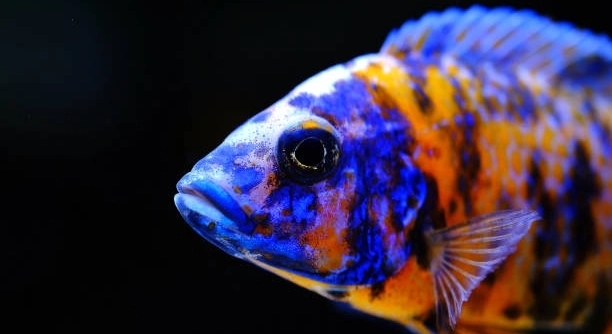
Cichlids are beautiful and fascinating fish that bring life to any aquarium. Observing their behavior and physical condition can help you ensure they remain healthy and comfortable in their environment. Careful attention is important for their well-being.
Signs of pain in cichlids can include unusual swimming patterns, loss of appetite, visible injuries, color changes, and excessive hiding. Monitoring these behaviors closely allows for early detection, which is crucial for timely intervention and maintaining overall fish health.
Recognizing discomfort early can make a significant difference in your cichlid’s quality of life. We will guide you through the key indicators and what they mean for your fish.
Recognizing Physical Signs of Pain
Cichlids in pain often show visible changes in their bodies. Look for torn fins, red streaks, or swollen areas on their scales. Loss of color or dullness can also indicate discomfort or illness. Injuries may result from aggressive tank mates, rough handling, or sharp decorations. It is important to check your fish regularly to spot these issues early. Abnormal growths or lesions should not be ignored, as they could signal infections or parasites. Fin clamping, where the fins stay close to the body, is another key sign that your cichlid is stressed or in pain. Observing their gills for rapid movement can also indicate respiratory distress. Even small changes in posture, like leaning to one side or floating awkwardly, can be significant. Regular monitoring helps ensure that any health problems are addressed quickly, preventing further suffering and promoting recovery.
Even subtle changes can indicate serious discomfort in cichlids. Careful observation is essential to identify early signs and act promptly to help them.
Watching for these physical indicators consistently allows you to respond before issues worsen. Maintaining a clean tank, proper water parameters, and minimal stress reduces the risk of injury or illness. Documenting changes can also help track progress and guide treatment decisions. Quick action can prevent minor issues from escalating into severe health problems, ensuring your cichlid remains active and comfortable.
Behavioral Changes to Watch
Behavior is a strong indicator of pain in cichlids. Unusual swimming, hiding, or aggression often signals distress.
Changes in normal behavior are often the earliest sign of pain. Fish may become lethargic, avoid food, or isolate themselves from other tank mates. Erratic swimming or bumping into objects can also reflect discomfort. Stressful conditions, poor water quality, or infections commonly trigger these behaviors. Even changes in feeding patterns or interest in surroundings are relevant.
Monitoring behavior provides insight into your cichlid’s overall condition. Fish in pain may swim less, float awkwardly, or repeatedly rub against surfaces. Aggression can increase or decrease unexpectedly, depending on the type of discomfort. Behavioral observation should be paired with checking physical signs, as many health issues affect both appearance and activity. Creating a stable environment with proper water temperature, pH levels, and hiding spots minimizes stress. Introducing changes slowly and keeping a close eye on interactions with other fish is critical. Over time, you will notice patterns that help distinguish normal behavior from potential health concerns. Prompt intervention based on these observations often prevents more serious complications and supports faster recovery.
Common Causes of Pain in Cichlids
Injuries, infections, and poor water conditions are the main causes of pain in cichlids. Aggressive tank mates or sharp decorations can lead to cuts, while bacterial or fungal infections affect their scales and fins.
Sharp decorations or overcrowded tanks often cause cuts and torn fins in cichlids. Poor water quality, including incorrect pH or high ammonia levels, can irritate their skin and gills. Parasitic infestations also create discomfort, leading to constant scratching or rubbing against surfaces. Even small injuries can become infected if not treated quickly, making early detection crucial. Regular tank maintenance and observing fish behavior prevent most problems before they escalate.
Stress is another significant contributor to pain in cichlids. Rapid changes in water temperature, aggressive neighbors, or inconsistent feeding schedules can weaken their immune system. When stressed, cichlids become more prone to infections and show signs like hiding, reduced appetite, and abnormal swimming. Addressing environmental stressors and maintaining stable tank conditions supports healing and reduces discomfort.
How to Help Your Cichlid
Providing clean water and a safe environment reduces pain significantly. Removing aggressive fish and sharp objects helps prevent injuries.
Treating injuries and infections promptly is essential. Minor cuts can be treated with antiseptic solutions, while more serious wounds or infections may require medicated water or professional advice. Maintaining proper water parameters keeps gills and skin healthy, preventing further discomfort. Isolation may be necessary for highly stressed or injured fish. A balanced diet supports recovery and strengthens immunity, reducing vulnerability to disease.
Regular observation and small adjustments in tank conditions can greatly improve a cichlid’s comfort. Avoiding sudden changes, maintaining cleanliness, and monitoring water quality ensures your fish recover faster and remain active. Stress reduction, such as limiting overcrowding and providing hiding spaces, allows injured or ill fish to heal without interference. Medications should be used carefully and only when necessary, following proper dosage instructions to prevent complications. Supporting natural behaviors, like exploring and grazing, also contributes to overall well-being. Keeping detailed notes on health and behavior changes helps identify patterns and respond promptly to future issues, ensuring long-term comfort and health.
Signs of Internal Pain
Loss of appetite and unusual lethargy are common signs of internal pain in cichlids. They may float near the bottom or avoid interacting with tank mates for extended periods.
Swollen or bloated areas in the abdomen can indicate internal issues. Digestive problems, organ infections, or parasites often cause these symptoms, requiring careful observation and timely treatment.
Monitoring Feeding Behavior
Changes in feeding habits are a key indicator of pain or illness. A cichlid that normally eats actively but suddenly refuses food may be experiencing discomfort. Loss of appetite can result from infections, stress, or internal injury. Slow or selective eating, spitting out food, or hiding during feeding also signals that something is wrong. Regularly watching feeding patterns allows you to notice subtle changes early. Adjusting feeding times, offering easily digestible foods, and removing uneaten items helps reduce stress and supports recovery. Consistency in diet and portion sizes is important for monitoring health effectively.
Environmental Factors
Improper water temperature, pH imbalance, and overcrowding can cause significant discomfort in cichlids. Maintaining a stable and clean environment prevents stress-related pain.
FAQ
How can I tell if my cichlid is in pain without visible injuries?
Cichlids often show pain through behavior rather than physical signs. Look for reduced activity, hiding for long periods, or refusing food. Erratic swimming, staying near the surface or bottom, and avoiding tank mates are also key indicators. Changes in color or clamped fins can appear even without obvious injuries. Regular observation of daily routines helps detect subtle discomfort early.
What are the most common signs of pain in cichlids?
Common signs include torn or clamped fins, red streaks, swollen areas, and dull coloration. Behavioral changes such as hiding, reduced movement, lack of appetite, and unusual swimming patterns are also frequent. Repeated rubbing against tank surfaces may indicate irritation or parasites. Recognizing these signs promptly allows for timely intervention.
Can water quality affect my cichlid’s pain levels?
Yes, poor water quality is a major cause of stress and discomfort. High ammonia or nitrite levels, incorrect pH, or sudden temperature changes can irritate gills and skin. Dirty or overcrowded tanks increase aggression and the risk of injury. Maintaining proper water parameters reduces pain and prevents illness.
How should I treat a cichlid showing signs of pain?
Start by isolating injured or stressed fish if necessary. Clean and maintain water conditions, remove sharp decorations, and monitor tank mates. Minor injuries can be treated with antiseptic solutions or medicated water. Severe wounds, infections, or parasites may require professional advice or prescription treatments. Consistent care and observation are crucial for recovery.
Is hiding behavior always a sign of pain?
Not always, but it can be a warning sign. Cichlids hide when stressed, unwell, or injured. Frequent hiding combined with other indicators such as loss of appetite, unusual swimming, or dull coloration often points to discomfort or pain. Observing patterns over time helps distinguish normal behavior from issues.
Can diet impact my cichlid’s comfort and pain levels?
Yes, diet plays an important role in their health and recovery. A balanced diet strengthens the immune system, reduces vulnerability to infections, and supports healing. Avoid sudden changes in food, overfeeding, or low-quality products. Providing easily digestible foods during illness can encourage eating and improve overall comfort.
When should I consult a professional about my cichlid?
Seek professional advice if signs of pain persist despite proper care. Severe injuries, constant lethargy, bloating, rapid weight loss, or visible infections require attention. Early intervention improves recovery chances and prevents complications. Professionals can offer specific treatments and guidance tailored to your cichlid’s needs.
Can stress alone cause pain in cichlids?
Stress can significantly contribute to discomfort. Factors like overcrowding, aggressive tank mates, frequent disturbances, and inconsistent water conditions weaken the immune system. Stressed cichlids become more susceptible to infections and show physical and behavioral signs of pain. Reducing stress through stable conditions improves overall health.
How often should I monitor my cichlid for signs of pain?
Daily observation is recommended. Short, consistent checks during feeding or routine maintenance allow you to notice subtle changes in behavior, swimming patterns, color, or appetite. Keeping notes helps track trends and ensures early intervention, preventing minor issues from becoming serious problems.
Are there preventative measures to reduce the risk of pain in cichlids?
Yes, maintaining clean, stable water conditions, providing proper tank space, and limiting aggressive interactions are essential. Offering a balanced diet, hiding spots, and careful handling reduces injury risks. Regular observation and early treatment of minor health issues prevent prolonged discomfort. Prevention is the most effective way to ensure a healthy, pain-free environment.
Caring for cichlids requires careful observation and attention to detail. These fish are sensitive to changes in their environment, and even small issues can cause them discomfort. Watching for signs of pain, both physical and behavioral, is key to maintaining their health. Swollen areas, torn fins, color changes, and unusual swimming patterns are all indicators that something may be wrong. Equally important are behavioral signs such as hiding, avoiding food, or erratic movement. By paying attention to these signals, you can detect problems early before they become serious. Regular checks of their tank environment, including water quality, temperature, and tank mates, also help prevent discomfort. A stable, clean environment reduces stress and supports overall well-being.
Treatment and prevention go hand in hand when it comes to cichlid care. Minor injuries can often be treated with antiseptic solutions, while infections or parasites may require medicated water or professional advice. Isolation of injured or stressed fish can help them recover without interference from other tank mates. Providing a balanced diet and avoiding sudden changes in feeding habits are also important. Stress is a major contributor to discomfort, so maintaining stable water parameters, limiting overcrowding, and removing sharp decorations are simple steps that make a big difference. Observing feeding behavior and daily routines allows you to notice subtle changes that might indicate pain or illness. Keeping notes on these observations can help identify patterns and make it easier to respond promptly.
Long-term comfort for your cichlid depends on consistent care and careful monitoring. Ensuring a clean, safe environment, observing both physical and behavioral signs, and responding quickly to any issues helps prevent prolonged suffering. Stress reduction and stable conditions encourage natural behavior and activity, supporting overall health. Even small efforts, such as providing hiding spots, proper tank mates, and balanced nutrition, contribute to a fish’s comfort and quality of life. By maintaining this level of attention, you can help your cichlid thrive in its environment. Over time, these practices not only reduce pain and stress but also promote a healthier, more active, and vibrant fish. With consistent care, patience, and observation, your cichlid can live comfortably, free from unnecessary discomfort, while allowing you to enjoy the beauty and personality of your fish for years to come.

Hello,
If you enjoy the content that we create, please consider saying a "Thank You!" by leaving a tip.
Every little bit helps us continue crafting quality advice that supports the health, happiness, and well-being of pets around the world, for pets of all shapes, sizes, and species.
We really appreciate the kindness and support that you show us!