
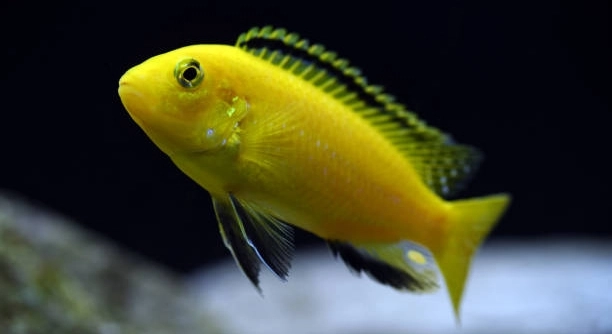
Convict cichlids are colorful and active fish that can bring life to a home aquarium. Their behaviors are interesting, but sometimes these behaviors can lead to tension and conflict among tank mates.
Convict cichlids need to be separated in seven key situations: during aggressive territorial disputes, when breeding, if injured, when overpowered by dominant fish, when stressed by overcrowding, when food is limited, and during illness. Proper separation prevents harm and supports healthy development.
Managing these situations carefully ensures your fish remain safe and healthy. Each scenario presents unique challenges that every aquarist should understand to maintain a balanced aquarium environment.
Aggressive Territorial Disputes
Convict cichlids are naturally territorial, and conflicts can arise quickly. When two fish claim the same area, chasing, nipping, and cornering are common behaviors. These disputes can result in injuries or extreme stress. Observing your tank, you may notice fins torn or scales missing, a sign that separation is necessary. Providing enough hiding spots, rocks, and decorations can sometimes reduce tension, but aggressive interactions often persist. In some cases, separating the fish temporarily allows them to calm down. Overcrowding worsens these disputes, so monitoring the number of fish in your tank is important. Recognizing the early signs of aggression can prevent serious harm and maintain a safer environment. Temporary isolation or a permanent divider may be required depending on the severity. A calm, stable environment helps fish reduce stress and lowers the risk of long-term health issues.
Separating during aggression ensures injured fish recover and reduces the risk of escalating fights in the tank.
Keeping an eye on interactions and providing barriers allows each convict cichlid to establish its own space. Simple dividers or separate tanks can be effective. This approach reduces stress and prevents injuries, ensuring fish continue to thrive without constant confrontation.
Breeding Season Separation
Convict cichlids become highly protective during breeding. Eggs and fry are closely guarded, and parents may attack other tank mates to defend their offspring.
During breeding, it is critical to isolate the pair or provide a safe breeding area. Male and female cichlids focus intensely on their eggs, and intrusion from other fish can lead to aggressive outbursts. Breeding tanks or partitions give the parents space to guard their young without interference. Proper separation also reduces stress for the rest of the aquarium, as aggressive behaviors are confined to the breeding pair. Tank conditions like water temperature, hiding spots, and diet can influence breeding success, so managing these factors helps maintain harmony. Monitoring the fish daily allows timely intervention if fights occur or fry are at risk. Providing a controlled environment during breeding promotes healthy fry development and prevents unnecessary injuries to adult fish. Careful attention ensures both parents and offspring thrive.
Injury and Recovery
When a convict cichlid is injured, immediate separation is necessary. Wounds can worsen quickly if other fish nip at the damaged area. Isolation helps the fish heal and reduces the risk of infection.
An injured fish needs a calm environment with clean water to support recovery. Removing it from the main tank prevents further attacks and lowers stress. Providing hiding places or a small quarantine tank ensures the fish can rest without constant disturbances. Medications or salt treatments may be required depending on the severity of the injury. Observing the fish’s behavior and appetite during recovery helps track healing progress. Timely care prevents minor injuries from becoming serious health problems, giving the fish a better chance to fully recover.
After separation, feeding a nutritious diet supports the fish’s immune system and overall recovery. Maintaining optimal water conditions prevents additional stress and helps the healing process proceed smoothly.
Overcrowding Issues
Overcrowded tanks increase stress and aggression among convict cichlids, making separation necessary to maintain balance.
Too many fish in a tank lead to competition for food, space, and hiding spots. This can result in frequent chasing, fin nipping, and other aggressive behaviors. Overcrowding also reduces water quality, as waste accumulates faster than filtration can manage, further stressing fish. Separating some individuals into another tank or adding dividers gives each fish space to establish territory. Proper stocking levels and regular observation help prevent conflicts before they escalate. Adequate hiding spots, rocks, and plants can reduce tension, but sometimes physical separation is the only effective solution. Separating fish temporarily allows the group to settle and restores calmer interactions when reintroduced.
By addressing overcrowding proactively, you ensure healthier behavior, reduce stress-related illnesses, and maintain a more stable environment for all convict cichlids. Monitoring interactions and tank conditions is key to long-term aquarium success.
Limited Food Access
When convict cichlids compete for limited food, separation can prevent weaker fish from being starved.
Ensuring each fish gets enough to eat reduces stress and aggression. Dividing the tank or feeding in multiple areas helps maintain fair access, protecting smaller or less dominant fish.
Stress from Environmental Changes
Sudden changes in water temperature, pH, or lighting can stress convict cichlids. Stress weakens their immune system and increases aggression toward tank mates.
Providing a stable, consistent environment is essential. If stress signs appear, isolating affected fish temporarily allows them to recover. Quarantine tanks or dividers reduce interaction while conditions stabilize, giving fish time to adjust without conflict. Observing behavior carefully during this period ensures recovery and helps prevent long-term health issues caused by prolonged stress. Regular maintenance, monitoring water parameters, and minimizing sudden changes are key steps in keeping fish calm and healthy.
Illness Prevention
Separating sick fish prevents the spread of disease to healthy tank mates.
Isolation allows for targeted treatment and monitoring, ensuring faster recovery and maintaining overall tank health.
FAQ
Why do convict cichlids fight so often?
Convict cichlids are naturally territorial. Fighting is a normal behavior as they try to establish dominance and protect space. Aggression increases during breeding or when the tank is overcrowded. Observing early signs, like chasing or fin nipping, helps determine when separation is needed to prevent injury.
How do I know if a cichlid is stressed?
Signs of stress include rapid breathing, hiding, loss of appetite, faded colors, and unusual swimming patterns. Stress can result from poor water quality, overcrowding, illness, or sudden environmental changes. Addressing the cause and providing a calm space helps reduce stress.
When should I separate breeding pairs?
Breeding pairs become very protective of eggs and fry. If other fish intrude, parents may attack aggressively. Separation ensures the fry survive and prevents injuries. Using a breeding tank or partition gives parents space to guard their offspring safely.
Can injured fish recover in the main tank?
Injured fish may worsen if left with others, as nipping or chasing can reopen wounds. Isolation allows them to heal in clean water with minimal stress. Adding hiding spots and monitoring behavior supports recovery, and medications can help if infections develop.
How do I manage overcrowding in a tank?
Overcrowding leads to competition for food and space, increasing aggression. Separating some fish or using dividers allows each to establish territory. Proper stocking levels, hiding spots, and careful observation prevent constant conflict. Temporary separation often restores calmer behavior when reintroduced.
What is the best way to feed multiple cichlids fairly?
Providing food in multiple locations reduces competition. Observing which fish struggle to access food helps identify weaker individuals who may need temporary separation or hand-feeding. Balanced nutrition supports growth and prevents stress-related issues.
How can I prevent illness from spreading in the tank?
Sick fish should be isolated immediately. Quarantine tanks allow targeted treatment without risking healthy fish. Regular water changes, careful monitoring, and avoiding overcrowding minimize the spread of disease. Early intervention ensures faster recovery for affected fish.
Do environmental changes affect behavior?
Yes, sudden changes in temperature, pH, or lighting can stress convict cichlids. Stressed fish may become aggressive or lethargic. Providing stable conditions and a consistent routine reduces stress and helps fish maintain normal behavior patterns.
Is it necessary to separate fish permanently after fights?
Not always. Short-term separation allows injured or stressed fish to recover. Once calm, some fish can coexist again. Continuous aggression or serious injuries may require permanent dividers to ensure the safety and health of all tank inhabitants.
How do I create safe hiding spaces?
Rocks, plants, and decorations provide areas for fish to retreat and claim territory. These spaces reduce aggression and stress, especially for less dominant individuals. Even temporary partitions can help maintain calm while fish adjust to tank dynamics.
What role does monitoring play in prevention?
Regular observation helps detect early signs of stress, illness, or aggression. Timely intervention, like separation or environmental adjustment, prevents serious problems. Keeping a close eye on interactions ensures a safer, healthier aquarium for all convict cichlids.
How long should a fish stay separated?
Separation depends on the reason. Injured fish may need days to weeks, stressed or sick fish may need careful monitoring until fully recovered, and breeding pairs may require isolation for the entire parenting period. Observing behavior guides the timing of reintegration.
Can small changes in the tank reduce aggression?
Yes. Adding hiding spots, rearranging decorations, or dividing space reduces territorial disputes. Even minor adjustments can lower stress, making the tank safer and more comfortable for all fish.
Convict cichlids are active and interesting fish, but their natural behaviors can sometimes lead to conflict in the tank. Aggression, territorial disputes, and stress are common challenges that require careful attention. Observing your fish regularly helps you notice early signs of trouble, such as chasing, nipping, hiding, or changes in color and appetite. Taking action at the right time, whether through temporary separation, providing hiding spaces, or adjusting tank conditions, can prevent injuries and maintain a balanced environment. By addressing problems quickly, you create a healthier and calmer aquarium where all the fish can thrive.
Separation is not always a negative step; it is a necessary tool for managing specific situations. Injured or sick fish benefit from a calm and isolated space, which reduces stress and allows for proper healing. Breeding pairs require space to protect their eggs and fry, and overcrowded tanks may need temporary dividers to prevent constant competition. Even subtle changes, like adding decorations or rearranging rocks, can create enough territory for each fish to feel secure. Understanding when and why to separate fish ensures that each individual remains healthy, safe, and less likely to develop long-term behavioral or physical issues.
Maintaining a stable and well-planned aquarium is the key to keeping convict cichlids healthy. Consistent water quality, proper feeding routines, and adequate space reduce stress and aggression naturally. Observing behavior, adjusting conditions, and separating fish when necessary are all part of responsible aquarium management. Taking the time to understand the specific needs and habits of convict cichlids creates an environment where both the fish and the tank can flourish. Over time, these practices lead to a balanced, harmonious tank that is easier to manage, and your fish will display their natural behaviors in a healthier and safer way.

Hello,
If you enjoy the content that we create, please consider saying a "Thank You!" by leaving a tip.
Every little bit helps us continue crafting quality advice that supports the health, happiness, and well-being of pets around the world, for pets of all shapes, sizes, and species.
We really appreciate the kindness and support that you show us!