
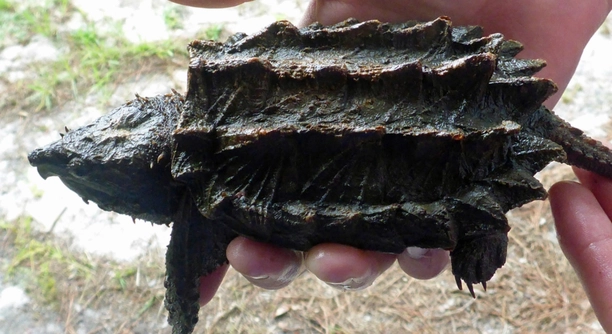
Alligator snapping turtles are fascinating creatures, but keeping track of their diet can be a challenge. Understanding their eating habits is crucial for maintaining their health and wellbeing. Overfeeding can lead to serious problems.
Overfeeding an alligator snapping turtle can cause obesity, which may result in health issues like shell deformities, digestive problems, and even shortened lifespan. It is important to monitor their food intake and ensure a balanced diet for their growth.
In this article, we’ll explore how to recognize signs of overfeeding and how to keep your turtle healthy. By understanding these simple guidelines, you can promote a longer, happier life for your alligator snapping turtle.
Signs Your Alligator Snapping Turtle May Be Eating Too Much
Alligator snapping turtles are known for their large appetite. However, when they start eating more than they should, it can lead to a range of issues. Obesity is the most obvious problem that comes with overfeeding. If your turtle is overweight, it could cause difficulty in swimming and affect its overall mobility. Overweight turtles may also struggle to eat or have difficulty reaching their food, as their larger bodies can be cumbersome. Along with obesity, they could also face digestive problems due to excess food intake. The extra food they consume doesn’t always get properly digested, leading to issues like constipation. You should also keep an eye on their activity level. A lack of movement or sluggishness could be another sign that they’ve been overfed. The more you observe these signs, the better you can maintain a healthy feeding routine and avoid complications.
Pay attention to their physical condition. A healthy turtle should have a well-defined body with a noticeable curve in its shell, not a bloated or flattened appearance.
If your turtle becomes too lethargic or has trouble moving, it’s time to reassess its diet. Reducing portion sizes and adjusting feeding schedules can make a big difference. Keep track of the amount of food given and make sure they are getting the right nutrients. In most cases, a balanced diet can help prevent overeating and its associated risks. Proper portion control is the key to maintaining a healthy weight and keeping your alligator snapping turtle active and lively. Regular monitoring is the best way to ensure they stay in good condition.
Adjusting Your Turtle’s Diet
Overfeeding is not always the result of a lack of knowledge; sometimes it’s due to the wrong type of food being offered.
Switching to a proper diet with the right balance of proteins and vegetables can prevent excess weight gain. Alligator snapping turtles enjoy eating fish, insects, and crustaceans, but these should be given in moderation. If too many high-protein foods are provided, it can lead to rapid weight gain. Fresh vegetables like leafy greens, along with occasional fruits, are also beneficial. By diversifying their meals and ensuring that they are not overfed on protein-heavy foods, you can maintain a balanced diet. Remember that turtles in captivity do not have to work for their food as they would in the wild, so controlling their intake is essential. It’s easy to overestimate how much they need when feeding them, but proper portion sizes are the key to managing their weight and health.
Monitor Feeding Frequency
Feeding frequency plays a big role in your turtle’s health. Alligator snapping turtles don’t need to be fed every day. Overfeeding them can cause weight gain and other health issues. Instead, try feeding them every two to three days, adjusting based on their age and activity level. Younger turtles may require more frequent feedings, while adults need less. Properly monitoring this frequency is key to avoiding overfeeding. Adjusting based on seasonal activity or growth periods helps ensure they are receiving the right amount of food for their needs.
Feeding your turtle too often can result in an unhealthy buildup of excess weight. Alligator snapping turtles are opportunistic feeders, which means they’ll gladly eat whenever food is available. While it may be tempting to feed them regularly, their metabolism is not designed for constant meals. Overfeeding can lead to a variety of problems, including obesity, lethargy, and an increased risk of developing shell deformities. Be sure to carefully manage feeding schedules and resist the urge to feed your turtle daily. Fewer, well-balanced meals will keep your turtle’s health in check.
Some signs your alligator snapping turtle may be eating too much can include them becoming overly eager at feeding time or consistently consuming larger portions than usual. If you notice these behaviors, it may be time to cut back on the frequency or portion size. It’s important to create a routine that fits their natural eating habits, ensuring they get the proper nutrients without excess. Keep track of how much your turtle consumes, and if you see signs of overfeeding, it may be time for some adjustments.
Consider the Type of Food
Not all food is created equal when it comes to feeding your alligator snapping turtle. Certain foods can contribute to overeating and unhealthy weight gain.
Turtles need a balanced diet that includes both protein and vegetables. Too much protein can lead to rapid weight gain, while a lack of vegetables may not provide all the necessary nutrients. High-protein foods like fish, worms, and insects should be offered in moderation, while vegetables like leafy greens can be a healthy and low-calorie option. To avoid overfeeding, it’s important to measure the right portions of both protein and vegetables, ensuring a proper balance. Keep in mind that the size of your turtle also plays a role in how much food they require. Larger turtles may need slightly larger portions, but the ratio of protein to vegetables should remain consistent.
If you overfeed your alligator snapping turtle with excessive amounts of protein-heavy foods, they may not only gain weight quickly but also experience digestion issues. It’s vital to strike a healthy balance between protein and fiber-rich vegetables. For example, offering foods like leafy greens, collard greens, and squash can help prevent constipation and provide needed vitamins. Since alligator snapping turtles can be picky eaters, providing variety will help keep their meals interesting and nutritious. By avoiding too much high-protein food and focusing on a well-rounded diet, you can keep your turtle healthy and avoid overfeeding.
Watch for Behavioral Changes
If your alligator snapping turtle is overeating, its behavior may change. You might notice it becoming more sluggish, or it may seem less interested in moving around. This lack of activity can be linked to weight gain from overfeeding. A lack of energy could signal that your turtle isn’t metabolizing food properly.
Another sign of overfeeding is if your turtle begins begging for food more frequently. Overfed turtles often develop a habit of constantly searching for food, even when they don’t need it. Pay attention to these behavioral shifts and adjust the feeding routine accordingly.
Proper Portion Control
Portion control is essential in maintaining a healthy alligator snapping turtle. While it may be tempting to feed your turtle larger portions, it’s better to stick to recommended amounts based on size and age. Overfeeding can cause problems in the long run, leading to obesity and other complications. A well-balanced portion of protein and vegetables will help your turtle thrive without risking weight gain. If your turtle seems to be consuming too much, consider reducing portion sizes or breaking meals into smaller, more frequent servings. Proper portion control can make a huge difference in their health.
Maintain Clean Water
Clean water is essential for your turtle’s overall health, especially when it comes to digestion. If your turtle’s water is dirty, it may affect its eating habits and even cause digestive issues. Keeping the water clean also prevents the growth of harmful bacteria, which could impact your turtle’s appetite and health. By maintaining a proper water filter system and cleaning the tank regularly, you ensure that your turtle stays healthy and its food intake stays consistent. This small step plays a big role in preventing overeating-related health problems.
FAQ
How much should I feed my alligator snapping turtle?
The amount of food you should feed your alligator snapping turtle depends on its age and size. For younger turtles, it’s recommended to feed them daily or every other day. However, as they mature, you should reduce the frequency to two or three times a week. A good rule of thumb is to offer food the size of your turtle’s head, but ensure it isn’t overfed. Overfeeding can lead to weight gain, which may cause health problems like shell deformities or digestion issues. Monitor how much your turtle consumes and adjust accordingly based on its growth.
Can overfeeding my alligator snapping turtle affect its shell?
Yes, overfeeding can negatively impact your turtle’s shell. When turtles become overweight, the excess weight can put pressure on their shells, which may cause deformities. These issues could affect the turtle’s ability to swim and move freely, potentially causing long-term damage. A healthy diet with proper portion control and a balanced meal plan is vital to avoid these problems. Keep track of your turtle’s weight and adjust feeding habits as needed to ensure a strong and healthy shell.
What signs should I look for to know if my turtle is overfed?
Some signs that your alligator snapping turtle is overfed include a noticeable lack of activity or sluggishness. You might also see an increase in its size, making it appear bloated. If your turtle seems to be eating constantly or begging for more food even when it has had enough, this could be another indicator of overfeeding. Keep track of its weight and behavior. An overweight turtle might struggle with mobility, which could also affect its overall health. Additionally, observe its eating habits to ensure it’s not consuming more food than necessary.
How can I balance my turtle’s diet to avoid overfeeding?
To balance your turtle’s diet, provide a mix of high-quality protein and vegetables. Overfeeding protein-rich foods like fish or worms can lead to rapid weight gain, so they should only be given in moderation. Vegetables like leafy greens (e.g., collard greens, mustard greens) can be offered more frequently and are a great way to reduce calorie intake. Avoid offering processed foods or too many high-fat options, as they may contribute to unhealthy weight gain. Always make sure to adjust portion sizes and offer a variety of foods to keep your turtle’s diet balanced.
How often should I clean my turtle’s tank to prevent overfeeding problems?
Regular tank cleaning is crucial for your turtle’s health, but it also helps prevent feeding-related issues. If the water becomes dirty, your turtle might lose its appetite or even develop digestion problems, leading to overfeeding. It’s best to clean your turtle’s tank every week, replacing part of the water and ensuring the filter is functioning properly. If you notice that your turtle is not eating its food or acting sluggish after feeding, it could be a sign that the water quality is poor. Clean water will encourage proper digestion and make sure your turtle remains healthy.
Can I feed my alligator snapping turtle too much protein?
Yes, feeding too much protein can lead to obesity and other health issues. Alligator snapping turtles are opportunistic feeders, but they do not need constant access to protein-heavy foods. A diet high in protein can cause weight gain, which affects their mobility and overall health. Aim for a diet that includes a balance of protein, like fish and insects, with more plant-based foods such as leafy greens and vegetables. Over time, excessive protein can lead to other complications like kidney problems, so be sure to maintain a balanced feeding schedule.
What should I do if my turtle seems uninterested in food?
If your alligator snapping turtle is uninterested in food, it could be due to overfeeding, poor water conditions, or stress. First, check the water quality to ensure it’s clean and free from harmful bacteria. If the water is fine, consider reducing the feeding frequency. Turtles will naturally eat less when they are full, so if you’ve been feeding them too often, they may lose interest in their meals. Stress can also affect their appetite, so make sure your turtle’s habitat is free from disturbances. If the issue persists, consult a veterinarian to rule out any underlying health concerns.
How can I prevent my turtle from begging for food all the time?
Turtles may beg for food out of habit, not necessarily hunger. It’s important to establish a feeding routine and stick to it. Overfeeding can encourage this behavior, so make sure you’re offering the right amount at the proper times. Avoid feeding your turtle between scheduled meals, even if it appears to be begging. This behavior can be reinforced by giving in, so stay consistent with feeding intervals. If you notice your turtle is still begging after meals, check its weight to ensure it isn’t overweight, as overfeeding can sometimes lead to constant food-seeking behavior.
Can my turtle eat too many vegetables?
It’s unlikely that your alligator snapping turtle can eat too many vegetables, but it’s important to ensure they are getting the proper variety and balance. Vegetables are lower in calories than protein-rich foods, and they provide essential vitamins and minerals. However, feeding too many of certain types of vegetables can cause digestive issues. For example, too much high-fiber or high-oxalate vegetables can lead to indigestion or kidney problems. Keep a balanced mix of greens, like collard greens, mustard greens, and water plants, along with other vegetable options to ensure variety and prevent overfeeding.
How do I ensure my turtle is eating enough?
To ensure your alligator snapping turtle is eating enough, monitor its behavior and feeding habits. A healthy turtle should eat regularly, but if it’s not interested in food, check its environment for stressors like poor water quality or tank mates that may be causing it to feel threatened. Make sure you’re offering a variety of foods to keep your turtle interested, as picky eaters may need some extra motivation. Monitor its weight and overall health. If your turtle is consistently refusing food or losing weight, it could be a sign of an underlying health issue, and you should consult a vet.
Final Thoughts
Taking care of your alligator snapping turtle involves more than just providing food. It’s important to keep a close eye on their feeding habits and adjust as needed. Overfeeding is a common issue, but it’s avoidable with careful attention. By monitoring the amount of food you offer and the frequency at which you feed your turtle, you can prevent health problems that arise from excess weight or improper digestion. Make sure to provide a balanced diet that includes both proteins and vegetables, and remember that variety is key to keeping your turtle healthy and interested in its meals.
Additionally, maintaining clean water and a healthy environment is just as important as managing your turtle’s diet. Poor water quality can impact its appetite and digestion, leading to unwanted weight gain or other health complications. Regular tank cleaning and water changes are essential to ensure your turtle stays healthy. A well-maintained tank promotes a clean, safe habitat that supports proper digestion and overall wellbeing. It’s important to be consistent with tank care and water filtration, as the quality of the water directly affects the turtle’s health and feeding habits.
By keeping track of your turtle’s diet, behavior, and environment, you can help ensure it stays active and healthy. Overfeeding is something to watch out for, but with simple adjustments, such as controlling portion sizes and maintaining a proper feeding schedule, your turtle can live a long, happy life. Regularly observe how your turtle behaves after meals, and if you notice any changes, it may be time to reassess its feeding routine. A balanced, well-maintained lifestyle will help your alligator snapping turtle thrive for years to come.

Hello,
If you enjoy the content that we create, please consider saying a "Thank You!" by leaving a tip.
Every little bit helps us continue crafting quality advice that supports the health, happiness, and well-being of pets around the world, for pets of all shapes, sizes, and species.
We really appreciate the kindness and support that you show us!