
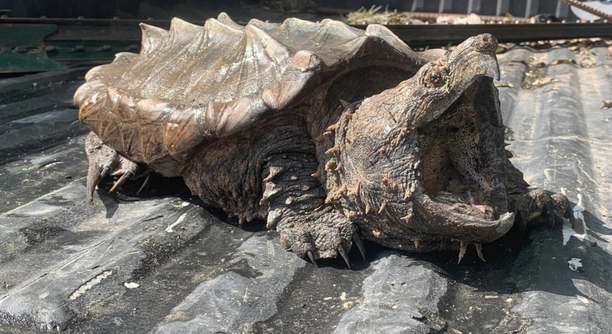
Alligator snapping turtles are fascinating creatures, but they require specific care to thrive. Mistakes in their care can lead to health issues and shorten their lifespan. Learning about these common pitfalls can ensure your turtle lives a long, healthy life.
Mistakes such as improper habitat setup, incorrect diet, lack of regular vet visits, and neglecting their social needs can shorten an alligator snapping turtle’s lifespan. These mistakes can lead to poor health, stress, and ultimately, a reduced life expectancy for your turtle.
Understanding these simple yet critical factors can make a significant difference in your alligator snapping turtle’s well-being. Avoiding these mistakes will contribute to a longer, healthier life for your beloved pet.
Mistake #1: Incorrect Habitat Setup
Alligator snapping turtles need a specific habitat to thrive. They require a large tank with both land and water areas, as they are semi-aquatic. The water needs to be deep enough for them to submerge fully and stay cool. The temperature should stay between 72 and 80°F, with a water filter to maintain cleanliness. Without a proper environment, your turtle could develop health issues like shell rot or respiratory infections. Additionally, they need plenty of hiding spots to feel secure. Make sure the tank is large enough for the turtle to move around comfortably, as overcrowding can cause stress and poor health.
A tank that is too small or improperly maintained could cause long-term problems.
Keeping the habitat clean is just as important. Regularly change the water and clean the tank to prevent bacteria buildup. Alligator snapping turtles are sensitive to poor water quality, so maintaining the right conditions is key to a happy, healthy pet.
Mistake #2: Poor Diet Choices
Alligator snapping turtles are carnivores and need a protein-rich diet.
Feeding them only vegetables or low-protein foods can lead to malnutrition and a shortened lifespan. A proper diet should include a variety of high-quality pellets, live or frozen fish, and other protein sources like earthworms and crickets. Overfeeding or underfeeding can also cause issues, so be mindful of portion sizes. Feeding them too much can lead to obesity, while not providing enough food can cause them to become weak and lethargic.
Turtles also require calcium to maintain a healthy shell, so be sure to include calcium supplements or foods rich in calcium. Proper nutrition is essential for their overall health and longevity. If you’re unsure of what to feed your alligator snapping turtle, consult a vet for guidance.
Mistake #3: Lack of Regular Vet Visits
Regular vet check-ups are essential for the health of your alligator snapping turtle.
Even if your turtle seems healthy, a vet can detect hidden problems early, such as parasites or shell issues. Without professional care, small issues can become big problems that affect your turtle’s lifespan. Annual check-ups will help ensure that your turtle’s diet and environment are suitable, preventing potential health risks.
A vet can also help you monitor your turtle’s weight and provide vaccinations if necessary. It’s better to catch problems early to avoid costly and serious health issues down the road. Routine visits will help your turtle live a longer, healthier life.
Mistake #4: Ignoring Social Needs
Alligator snapping turtles are solitary, but they still need stimulation.
Without proper enrichment, they can become bored or stressed, leading to health problems. They need space to roam and interact with their environment. Adding hiding spots, water features, or moving objects can keep them active and engaged. Boredom may lead to behavioral issues, like excessive basking or lethargy.
It’s important to offer your turtle opportunities for mental stimulation. This can include occasional changes to the tank setup, offering different types of food, or even allowing some supervised time outside the tank. The more engaging their environment is, the happier and healthier they will be.
Mistake #5: Overexposure to Sunlight
While alligator snapping turtles do need sunlight, too much can harm them.
Extended exposure to direct sunlight can lead to overheating and dehydration. It’s essential to provide shaded areas in their habitat. A proper basking area with UVB light helps them absorb necessary vitamins without causing stress or damage to their skin and shell.
Providing a controlled amount of light and warmth will ensure they get the benefits of the sun without the risks. Overexposure can cause dehydration and may lead to health problems like shell deformities or heatstroke.
Mistake #6: Inconsistent Water Quality
Poor water quality is one of the most damaging mistakes to make for your turtle’s health.
Alligator snapping turtles require clean, filtered water to thrive. Dirty or stagnant water can lead to infections and other health issues. A good filtration system will help maintain clean water, but you should still change the water regularly. Monitoring water temperature and pH levels will also help ensure a suitable environment for your turtle to live in.
Mistake #7: Incorrect Handling
Improper handling can cause stress and injury to your alligator snapping turtle.
These turtles are not social creatures and do not enjoy being held or touched frequently. Handling them too often or incorrectly can lead to stress, which weakens their immune system and can shorten their lifespan. Always handle your turtle gently and minimally, ensuring their safety and comfort.
FAQ
How often should I feed my alligator snapping turtle?
Alligator snapping turtles need to be fed about two to three times a week. As they are carnivores, their diet should include a variety of protein sources like fish, earthworms, and high-quality pellets. You can feed them a mix of live or frozen food, making sure not to overfeed them. Offering food every other day or three times a week is usually enough. Ensure you’re not providing too much at once, as excess food can lead to obesity and other health problems. Monitor their weight to ensure they’re not becoming overweight or undernourished.
Can I keep multiple alligator snapping turtles together?
It is generally not recommended to house multiple alligator snapping turtles together, especially in a small tank. They are solitary creatures and can become aggressive toward each other, especially when competing for food or space. This can lead to injuries or stress. If you plan to keep multiple turtles, ensure the tank is large enough for each to have its own space, and monitor their behavior closely to prevent fighting.
What temperature should I maintain in the tank for my alligator snapping turtle?
The water temperature for an alligator snapping turtle should be kept between 72°F and 80°F (22°C to 27°C). If the water is too cold, your turtle may become sluggish and less active, which could lead to health problems. If the water is too warm, they may experience stress or even heatstroke. It’s essential to have a reliable thermometer to monitor the temperature and adjust it as needed. The basking area should also be warm, with temperatures between 85°F and 90°F (29°C to 32°C), but not too hot to avoid overheating.
How can I tell if my alligator snapping turtle is sick?
Signs of illness in alligator snapping turtles can include changes in behavior, such as lethargy, lack of appetite, or unusual swimming patterns. If your turtle is spending too much time at the surface, showing signs of respiratory distress, or has a soft or damaged shell, these could be signs of a health issue. You may also notice abnormal discharge from their eyes or nose. If you notice any of these symptoms, it’s important to consult with a vet who specializes in reptiles for a proper diagnosis and treatment.
How do I clean the tank for my alligator snapping turtle?
Cleaning your turtle’s tank is crucial for maintaining water quality. Begin by removing your turtle and placing it in a temporary holding tank or a safe space. Use a siphon to remove dirty water, then clean the tank with a reptile-safe cleaner or warm water. Make sure to scrub the tank’s surfaces and remove any debris or algae. Replace the water with fresh, dechlorinated water and adjust the water temperature as needed. Clean the filter regularly to ensure proper filtration and remove any waste or leftover food. A clean tank helps prevent infections and keeps your turtle healthy.
What type of lighting does my alligator snapping turtle need?
Your alligator snapping turtle needs UVB lighting to properly digest calcium and maintain a healthy shell. Use a UVB bulb that provides the proper spectrum of light. The bulb should be placed over the basking area, so your turtle can absorb the UVB rays while basking. It’s important to replace the bulb every 6 months as UVB output diminishes over time. Additionally, provide regular day and night cycles by turning the light off at night to mimic a natural environment.
What should I do if my alligator snapping turtle is not eating?
If your turtle stops eating, it can be a sign of stress, illness, or poor water conditions. Check if the water quality is appropriate and make sure the temperature is within the recommended range. Also, check for any signs of illness such as swollen eyes or lethargy. Stress from handling, an inadequate tank setup, or lack of proper lighting could also cause a loss of appetite. If your turtle refuses food for several days, consult a vet to rule out any health problems. Sometimes, offering different types of food or reducing handling can help encourage eating.
Can I take my alligator snapping turtle outside?
Yes, you can take your alligator snapping turtle outside, but it needs to be a safe and controlled environment. Always ensure that the outdoor area is free of predators and that there is access to both water and dry land. Never leave your turtle outside unsupervised. The environment should also be free from any extreme temperatures, as alligator snapping turtles are sensitive to temperature changes. Be cautious of the sun and avoid overexposing your turtle to it, as too much direct sunlight can cause overheating.
How can I prevent my alligator snapping turtle from escaping?
To prevent your alligator snapping turtle from escaping, ensure that your tank has a secure lid or barrier. These turtles can be surprisingly good climbers, and they can push through weak or improperly secured barriers. Ensure the tank’s edges are high enough to prevent climbing, and regularly check the setup for any gaps or weaknesses. If you are using an outdoor enclosure, make sure the fence is buried into the ground to prevent the turtle from digging under it. Always monitor the environment to ensure it’s secure.
Final Thoughts
Taking care of an alligator snapping turtle requires more attention to detail than you might expect. These turtles have specific needs that, when met, allow them to live healthy and long lives. Their environment must be large enough to allow them to roam, with clean water, proper lighting, and plenty of space to bask. A good filtration system, along with regular water changes, is essential to keep their habitat clean and safe. Ensuring that your turtle has a comfortable space to live in helps prevent stress and health issues, making their lives much more enjoyable.
Diet is another critical factor in maintaining their well-being. Alligator snapping turtles need a balanced diet full of protein from sources like fish, earthworms, and special turtle pellets. Overfeeding or underfeeding can lead to weight problems, so it’s essential to offer food in the right amounts. Calcium is also crucial for a healthy shell, so don’t forget to include calcium-rich foods or supplements. A varied diet will help keep your turtle strong, healthy, and full of energy. Keeping track of their food intake and making sure they’re eating the right amount can help avoid long-term health problems.
Lastly, regular vet visits are necessary for ensuring that your turtle stays in good shape. Even if they seem healthy, professional check-ups can help catch any problems early. A vet specializing in reptiles can offer advice on diet, environment, and any signs of illness you may not notice. By taking the time to properly care for your alligator snapping turtle, you can ensure that it lives a long, healthy life. From maintaining their habitat to monitoring their diet and health, each step you take to improve their care is a step toward a happier and healthier pet.

Hello,
If you enjoy the content that we create, please consider saying a "Thank You!" by leaving a tip.
Every little bit helps us continue crafting quality advice that supports the health, happiness, and well-being of pets around the world, for pets of all shapes, sizes, and species.
We really appreciate the kindness and support that you show us!