
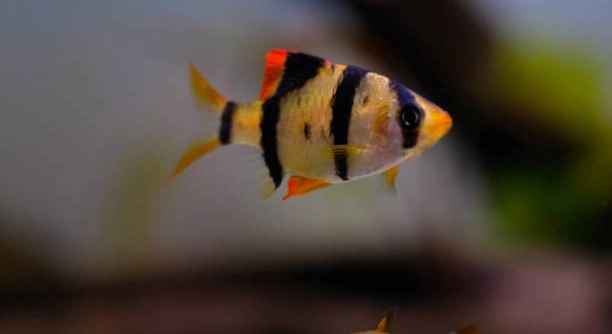
Tiger barbs are popular freshwater fish known for their lively behavior and bright colors. Many fishkeepers enjoy having them in home aquariums. Knowing whether your tiger barbs are male or female can help with care and breeding decisions.
Male tiger barbs tend to have slimmer bodies and more intense coloration, especially a bright red or orange nose, while females are generally rounder with paler colors. Behavioral differences such as increased aggression also help identify males.
Recognizing these traits will improve your ability to care for your fish and manage your aquarium effectively. Learning these basics sets a good foundation for keeping tiger barbs healthy and happy.
Physical Differences Between Male and Female Tiger Barbs
When observing tiger barbs, the easiest way to tell males from females is by looking closely at their shape and colors. Males usually have a slimmer, more streamlined body, which makes them look faster and more agile. Their colors, especially around the nose and fins, tend to be brighter and more vivid, often showing shades of red or orange. Females, on the other hand, have a rounder, fuller body, especially when they are carrying eggs. Their colors are softer and less intense, making them appear paler overall. Besides body shape and color, males may also have slightly longer fins, although this can be harder to notice without experience. These visual cues become clearer as the fish mature, so young tiger barbs can be difficult to sex. Still, with patience and observation, these traits help in distinguishing between the sexes and understanding their behavior better.
Male tiger barbs are slimmer and more colorful, while females are rounder and paler, making shape and color the main identifying features.
Understanding these physical differences can make it easier to identify your tiger barbs’ sex. This helps in planning tank setups, breeding, and ensuring each fish gets the right care. Knowing who is male or female can prevent conflicts and promote a healthier aquarium environment.
Behavioral Signs to Identify Tiger Barb Gender
Male tiger barbs are often more aggressive and territorial. They may chase other fish, especially during breeding times, and show more active swimming patterns. This behavior helps protect their space and attract females. Females tend to be calmer and more social within groups. They usually avoid conflicts and focus on feeding or resting. Observing these behavior patterns over time can help confirm their sex, especially when combined with physical traits.
Aggressive behavior and active chasing are common signs that a tiger barb is male.
Males use their behavior to claim dominance and attract mates. They can be seen flaring their fins or nudging females to get attention. Females respond by staying close but avoiding direct confrontations. In community tanks, this dynamic helps balance social order and reduces stress. Recognizing these actions adds another layer of confidence when identifying gender and understanding how your tiger barbs interact with each other. Keeping males in small groups or with plenty of hiding spots can minimize aggression and keep peace in the tank.
Breeding Tiger Barbs
Breeding tiger barbs requires knowing which fish are male and female to ensure successful pairing. Males are more colorful and active during spawning, while females carry eggs and appear rounder.
Once you have identified males and females, create a separate breeding tank with soft, slightly acidic water. Use fine-leaved plants or spawning mops for the female to lay eggs on. Keep the temperature around 78°F to encourage spawning. Males will chase females, nudging them toward the plants to deposit eggs. After spawning, remove the adults to prevent them from eating the eggs.
The eggs will hatch in about two days, and fry become free-swimming after another two days. Feed them finely crushed flakes or baby brine shrimp. Regular monitoring and gentle water changes help fry grow strong. Breeding tiger barbs can be rewarding with proper care and patience.
Tips for Keeping Male and Female Tiger Barbs Together
Keeping males and females together requires balancing aggression and space. Male tiger barbs can be territorial, especially in small tanks. To reduce fighting, maintain a group of at least six fish. This spreads aggression and prevents bullying. Providing plenty of plants and hiding spots allows shy fish to retreat when needed.
Proper feeding helps keep peace. Ensure all fish get enough food to avoid competition. Monitor interactions regularly to catch early signs of stress. If aggression becomes severe, separate the most aggressive males or increase tank size. A well-planned tank setup encourages healthy social behavior and lets males and females coexist peacefully.
Tank Setup for Tiger Barbs
Tiger barbs need enough space to swim freely and avoid stress. A 20-gallon tank is the minimum for a small group. Adding plants and decorations creates hiding spots and reduces aggression.
Good water quality is essential. Keep the temperature between 74°F and 79°F, with a pH around 6.5 to 7.0. Regular water changes help maintain a healthy environment.
Feeding Male and Female Tiger Barbs
Feed tiger barbs a varied diet with high-quality flakes, pellets, and occasional live or frozen foods like bloodworms. Both males and females benefit from protein-rich meals. Avoid overfeeding, which can lead to poor water quality and health problems.
Common Health Issues in Tiger Barbs
Tiger barbs are generally hardy but can suffer from fin rot and ich. These diseases often result from poor water conditions or stress. Quarantining new fish and maintaining clean water help prevent illness.
Regularly check your fish for signs like white spots, torn fins, or lethargy. Early treatment is key to recovery and keeping your tank healthy.
Recognizing Stress in Tiger Barbs
Stress in tiger barbs shows as faded colors, hiding, or erratic swimming. Changes in behavior can signal problems with water quality, tankmates, or illness. Acting quickly helps restore their well-being and keeps the group balanced.
FAQ
How can I tell if my tiger barb is male or female when they are young?
Young tiger barbs are harder to sex because their colors and body shapes aren’t fully developed. Males usually show brighter colors and a slimmer shape as they grow. Watching their behavior over time can help; males tend to be more active and aggressive even when young.
Do male tiger barbs get more aggressive than females?
Yes, male tiger barbs are naturally more aggressive. They chase each other and other fish to establish dominance. This behavior increases during breeding. Females are generally calmer and less territorial. Keeping a group of six or more helps spread aggression and reduce stress.
Can I keep only male or only female tiger barbs together?
It is possible but not ideal. A tank with only males might be very aggressive without females to balance social behavior. A female-only group tends to be peaceful but less colorful and active. A mixed group of males and females usually has the best social balance.
What should I feed my male and female tiger barbs?
Feed them a varied diet with quality flakes or pellets as the base. Supplement with frozen or live foods like bloodworms or brine shrimp. Both males and females need protein to stay healthy, especially during breeding. Avoid overfeeding to keep water clean.
How often should I change the water for tiger barbs?
Changing 20-30% of the water weekly helps maintain good water quality. Clean water prevents diseases and stress. Use a water conditioner to remove chlorine and chloramine. Consistent water changes support the health of both male and female tiger barbs.
What signs show that my tiger barb is stressed?
Stress signs include faded colors, hiding, loss of appetite, and unusual swimming like darting or lethargy. Stress can come from poor water conditions, overcrowding, or aggressive tankmates. Fixing these issues quickly helps the fish recover.
Can male and female tiger barbs breed in a community tank?
They can, but breeding is more successful in a separate breeding tank. In community tanks, adults may eat eggs or fry. Also, aggression can disturb spawning. A dedicated tank with soft plants improves the chances of healthy fry.
How long do tiger barbs live?
With proper care, tiger barbs live about 5 to 7 years. Good diet, clean water, and a peaceful tank help them reach their full lifespan. Stress and poor conditions can shorten their life significantly.
What tank size is best for a group of tiger barbs?
A 20-gallon tank or larger is recommended for at least six tiger barbs. More space helps reduce aggression and keeps fish healthy. Overcrowding causes stress and disease. Provide plenty of plants and hiding spots to create a balanced environment.
Are tiger barbs compatible with other fish?
Tiger barbs can be kept with other semi-aggressive or fast-swimming fish. Avoid slow, long-finned species because tiger barbs may nip fins. Suitable tankmates include danios, barbs, and larger tetras. Keep groups large to reduce bullying behavior.
How do I know if my tiger barb is healthy?
Healthy tiger barbs swim actively, show bright colors, and eat regularly. Their fins should be intact, and eyes clear. Any sudden change in behavior, color fading, or spots could mean illness. Regular observation helps catch problems early.
Can I keep tiger barbs in cold water?
Tiger barbs prefer warm water between 74°F and 79°F. Water that is too cold can weaken their immune system and slow metabolism. Maintaining a stable temperature in their preferred range keeps them active and healthy.
How do I reduce male aggression in my tank?
Keep a group of at least six tiger barbs to spread aggression. Add plenty of plants and hiding places. Avoid small tanks that force fights over territory. If one male is overly aggressive, consider moving him to another tank.
What do tiger barbs need to breed successfully?
They need a separate breeding tank with soft, slightly acidic water around 78°F. Use fine-leaved plants or spawning mops for egg laying. Males will chase females, so monitor closely and remove adults after spawning to protect eggs.
Is it normal for tiger barbs to nip fins?
Yes, fin nipping is common, especially among males. It can be reduced by keeping enough fish, providing hiding spaces, and choosing compatible tankmates. Excessive nipping may signal stress or overcrowding.
How soon do tiger barb eggs hatch?
Eggs hatch in about 2 days at the right temperature. Fry become free-swimming after another 2 days. Proper care of eggs and fry is important for survival, including gentle water flow and fine food.
These questions cover many common concerns about tiger barbs. Knowing these details will help keep both males and females healthy and happy in your aquarium.
Tiger barbs are lively and colorful fish that bring energy to any aquarium. Knowing how to tell males from females can make a big difference in how you care for them. Male tiger barbs are usually slimmer and brighter in color, especially around their nose and fins. Females tend to be rounder and have softer colors. Watching their behavior can also help; males are often more active and may show signs of chasing other fish. These differences become clearer as the fish grow, so patience is important when trying to identify their sex. This knowledge helps when setting up tanks, managing groups, and planning breeding.
Creating the right environment is key to keeping both male and female tiger barbs healthy and happy. They need enough space to swim freely and places to hide, like plants or decorations. Water quality should be carefully maintained with regular changes, and the temperature should stay between 74°F and 79°F. Feeding a balanced diet that includes flakes, pellets, and occasional live or frozen foods keeps their colors bright and energy high. Because males can be territorial, keeping them in groups of six or more helps reduce aggression. Providing these basics supports their natural behaviors and helps maintain peace in the tank.
Breeding tiger barbs can be rewarding but requires extra care. A separate breeding tank with soft water and plants encourages spawning. Males will chase females during this time, so removing adults after eggs are laid protects the fry. Watching over the eggs and feeding the young properly helps them grow strong. Overall, understanding the physical and behavioral differences between male and female tiger barbs improves your ability to care for them well. Paying attention to their needs and environment leads to a healthier, more enjoyable aquarium for both you and your fish.

Hello,
If you enjoy the content that we create, please consider saying a "Thank You!" by leaving a tip.
Every little bit helps us continue crafting quality advice that supports the health, happiness, and well-being of pets around the world, for pets of all shapes, sizes, and species.
We really appreciate the kindness and support that you show us!